
Versico Commercial Roof Repair and Inspection in Longview, TX
Versico Commercial Roof Repair and Inspection
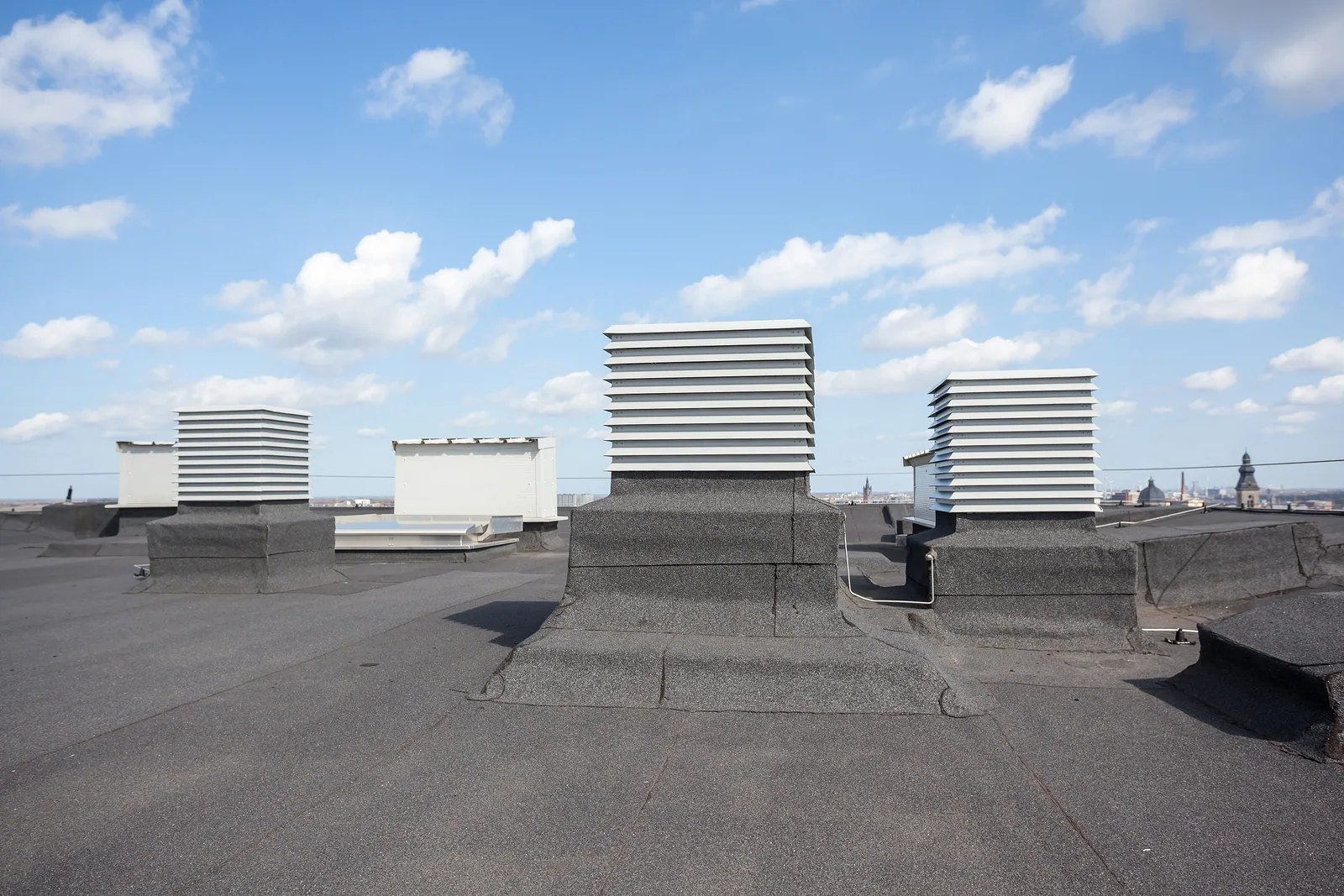
A rooftop unit replacement can leave a curb, fastener line, or membrane tie-in different from the detail shown in the original Versico file. Before another repair is added, we compare the current roof with those records and identify what changed. The inspection checks the equipment perimeter, nearby seams, drainage path, and prior patch. It also records whether the receiving surface is sound enough for work. That gives the facility manager a repair boundary tied to the roof now in service.
Longview’s commercial properties span industrial corridors, retail routes, healthcare buildings, and the Downtown district. An active plant or distribution site may require a different access window than an office or store, but each roof still needs its own system identification. We use the building’s project records and visible details to establish what can be repaired and what needs further review.
Track what changed after the original installation
Collect the system submittal, closeout drawings, maintenance notes, warranty papers, and invoices for later rooftop work. Compare dates and roof-zone labels before assuming every document describes the same field. A new HVAC curb, solar support, drain modification, or addition can create a local transition that the original plan does not show. We mark those changes on the roof map and identify which records need to be updated after service.
Versico in a file is not enough to select a product or claim a particular warranty status. The crew checks the installed surface and the current written instructions for the confirmed assembly. A Soprema roof record or Duro-Last service file may apply elsewhere in a portfolio; it should not be used to fill a gap here. If the system cannot be confirmed without an opening, we state what the test would reveal and let the owner approve that step before the roof is disturbed.
Inspect around the equipment that changed
At a replaced unit, look beyond the curb cap. Check flashing termination, corners, support penetrations, adjacent seams, and the drainage path that receives runoff. Mechanical work can leave debris or a new opening while the membrane beside it remains intact. The report identifies each observed condition separately and shows whether the service call concerns roofing, mechanical coordination, or both. If the unit must be lifted to expose a hidden flange, schedule that work with the equipment contractor.
At a manufacturing or distribution property, the site contact identifies active loading windows and equipment access limits. The East Texas Regional Airport Airpark supports aviation-related commercial use, so we confirm the property's access contact and approved work route before mobilization. The building’s own operations determine the route and timing. A curb and support inspection can document those details, and a penetration-flashing review can capture nearby openings that were not part of the mechanical scope.
When the equipment vendor and roofing crew work on separate days, compare their closeout notes before the next inspection. The mechanical ticket can identify the unit that moved, while the roofing record shows which curb transition was opened and restored. If those records use different labels, reconcile them on the building plan. That small administrative step prevents a facility manager from sending a later leak call to the wrong roof section or assuming a repair covered a nearby penetration that was outside its scope.
Connect the leak report to a roof detail
Log when the water appeared, what interior area was affected, and whether the roof was recently serviced. Then compare the location with slopes, seams, drains, walls, and equipment openings. The water may travel beneath the surface, so the indoor mark does not automatically identify the entry. We label the suspected route and the evidence that supports it. When two sources remain possible, a controlled test or a later observation can be more useful than covering both areas with a broad patch.
Longview’s July normal high reaches about 94 degrees, so surface temperature and product instructions matter during repair. A leak repair visit can trace the entry, while a drain and scupper check looks at outlets and ponding near the reported zone. We record if equipment, debris, or standing water limited the inspection. A moisture survey may help prioritize openings, but the report distinguishes a scan from an exposed and confirmed wet assembly.
Prepare the surface before the tie-in
Repair materials must meet the installed surface under the conditions present at the roof. Check whether the old area is dry, clean, attached, and free of incompatible sealant or coating. If the work crosses a previous patch, identify its material and test whether it can support the new connection. The scope states the preparation, repair width, and any verification step. Where the substrate is damaged, show the added work to the owner before extending the opening.
We check the roof's actual surface temperature and the installation instructions before setting the crew's work window. We check the roof and material conditions against the applicable installation instructions. If a repair needs broader surface renewal, a coating assessment should identify the substrate and preparation requirements; coating is not a default fix for an unknown assembly. A maintenance program can log the new penetration and revisit nearby seams after the mechanical work is complete.
Let the written terms guide covered work
The owner should review the executed Versico warranty for required notices, repair approvals, inspections, and maintenance. We can provide photographs, a field condition summary, and the proposed detail for that review. The warranty holder decides whether coverage applies. Keep correspondence with the service record and distinguish a warranty question from a condition the crew observed. If the paperwork refers to an earlier roof phase, request confirmation before relying on it for a modified zone.
Longview’s Building Inspection Division reviews commercial projects under adopted local requirements. If roof work changes drainage, structure, or equipment, the owner and design team can confirm the applicable review path. The roofing report provides site evidence, and Longview plan review remains a separate step through the Building Inspection Division. The warranty tracking file can preserve notices, and roof condition reporting can capture what the crew saw after the equipment change.
Keep a zone record with the mechanical ticket
Document the building section, equipment identifier, roof material verified, repair preparation, material used, photographs, and result of any field test. Note who completed the mechanical work and whether a curb or support was replaced. If the crew could not see a concealed flange or substrate, list that limitation and the next step required. These details help the facility team compare a later leak call against both the roofing and mechanical records.
For an industrial building along South Longview and the LeTourneau area or near the Longview Business Park, share the roof map and site access procedure with the service request. A specific zone and work date make future checks easier to schedule around ongoing operations.
Commercial Roofing Questions
Does a Versico label confirm that a later curb is part of the original system?
No. We compare project dates and field details, then document later equipment work as a separate roof-zone change when the records support it.
Can you repair around a replacement rooftop unit?
We inspect the curb, flashing, supports, seams, and nearby drainage. If the unit must move to expose a concealed detail, the owner coordinates that work with the mechanical contractor.
What if the records and field details disagree?
The report marks the conflict and names the record, label, or test opening that could resolve it before a system-specific repair is selected.
Who checks warranty approval for a repair?
The property owner reviews the executed warranty and contacts its holder. We provide photographs and the proposed repair information for that decision.