
Manufacturing Plant Roofing in Longview, TX
Manufacturing Plant Roofing
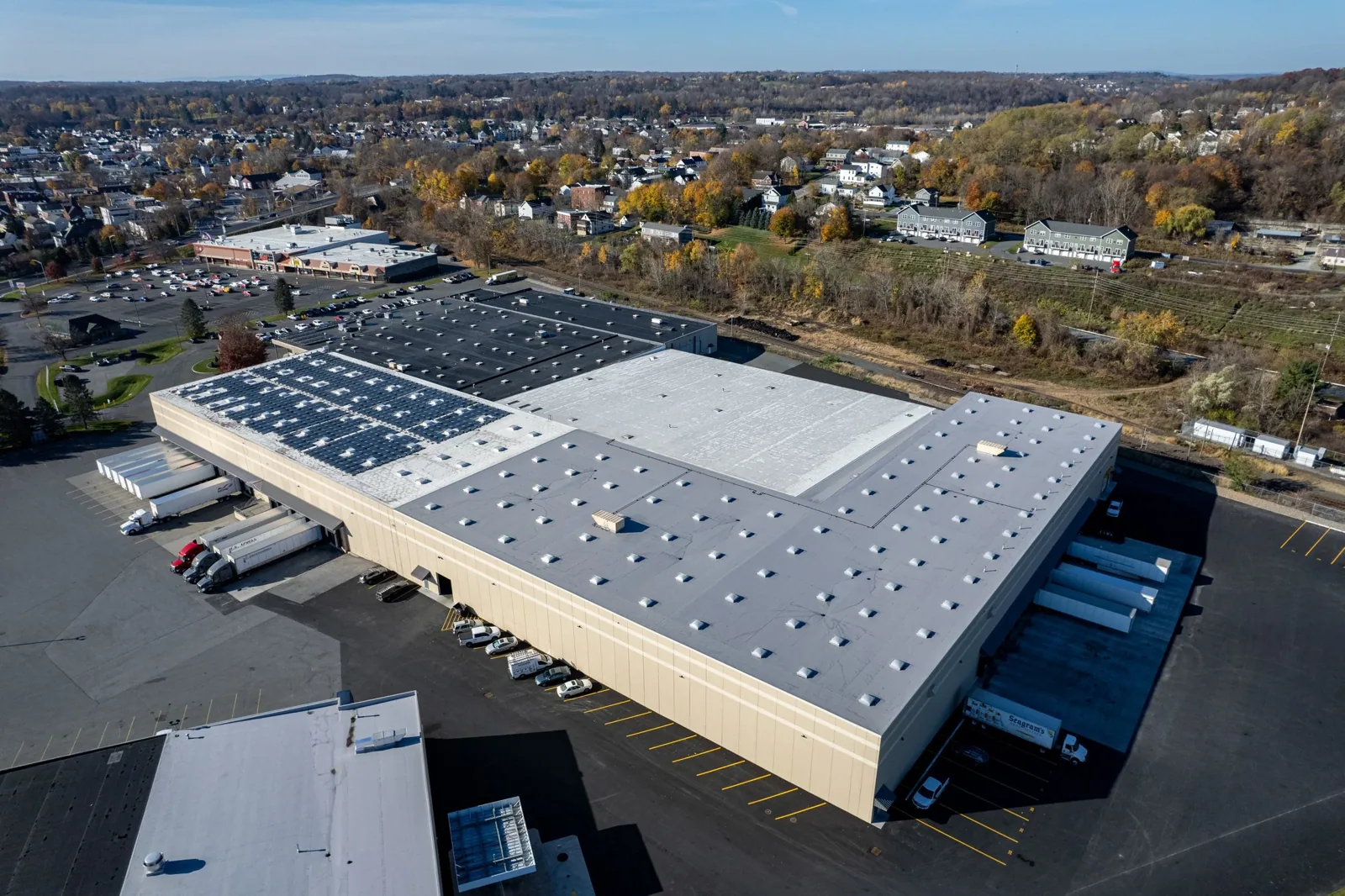
A roof repair over an active production line needs more than a watertight patch. The crew has to identify the failure, understand what equipment passes through the roof, and coordinate a work boundary that will not interrupt the process below. We inspect membrane seams, curbs, exhausts, piping supports, drains, and roof access routes, then document the condition by zone. The repair method follows the existing assembly and the plant's operating limits.
Longview's economy includes a substantial manufacturing base and highway-connected industrial parks. Longview Business Park lies on US 259 near I-20; North Business Park connects through FM 2275 to US 259 and US 300. A plant's process, roof system, and chemical exposure must still be checked on site. We ask which lines must remain live, what safety rules apply near the work, and how deliveries or shift changes affect roof access before planning a repair or replacement.
Inspect around process penetrations and supports
Process exhaust, vents, pipes, and cable trays create frequent interruptions in the roof field. We check each curb or penetration for cracked flashing, open seams, loose collars, corrosion, and movement. Pipe supports can abrade the membrane or compress insulation when loads shift. Where exhaust carries heat or residue, the surface and flashing may age differently from the surrounding field. The inspection records the material and visible condition instead of assuming a standard penetration detail fits every line.
Plant vibration can loosen fasteners and stress a curb corner or expansion transition over time. We inspect attachment and adjacent membrane before deciding whether a localized patch will hold. If the source is unclear, a hands-on roof inspection can establish a zone map and document nearby defects. A confirmed leak can move into a commercial repair scope that identifies preparation, compatible materials, and required coordination with the plant.
Match roof materials to heat and process exposure
Longview's hot, humid summers add sustained heat to roof surfaces, and exhaust or process discharge can create localized exposure above the general weather load. We inspect membrane condition around discharge points, support frames, and areas where residue may affect adhesion. TPO, PVC, EPDM, modified bitumen, metal, and coating systems require different cleaning, repair, and flashing methods. We identify the existing assembly and check the nearby surface before bringing a new material into contact with it.
If a surface has chemical staining, unusual odor, or heat damage, the plant contact can explain the process and safety requirements for inspection. Before specifying a compatible repair, we compare coating or membrane product data with the plant's documented process exposure and installation requirements. The repair detail may require a barrier, replacement of affected material, or consultation with the system manufacturer. Longview's 94-degree July normal is relevant to installation timing, but job conditions, product requirements, and the condition at each roof zone determine the actual work window.
Protect drainage near equipment clusters
Pipe racks and equipment supports can redirect runoff into pockets that are difficult to see from the access hatch. We trace water from high points to drains, scuppers, and overflows, noting where supports, curbs, or settled insulation affect the path. A drain that is clear at the strainer may still have a damaged bowl or poor tie-in at the membrane. A drain and scupper review can define whether outlet work belongs with the membrane repair.
During a project, drains must remain functional and openings need protection from debris. We plan the tie-in so a rainfall does not send water beneath an exposed sheet or temporary cover. If roof elevations change, we measure curb and drain heights before setting new insulation or cover board. The insulation and cover-board scope can coordinate tapered material with the drainage plan instead of leaving a low point around a process rack.
Coordinate roof access with plant safety rules
Before work begins, we confirm permits, escorts, roof access, hot-work restrictions, process areas below, and the contact who can authorize a shutdown. The crew needs to know whether exhausts remain active, whether chemicals are handled nearby, and which roof routes stay clear for plant personnel. If an opening requires equipment isolation, the sequence identifies which trade performs it and when the system can return to service.
Industrial properties near the I-20 and US 259 corridors can have deliveries, yard movement, and shift changes that affect material staging. We agree on the lift or carry path and keep emergency vehicle access open. A phased occupied-building plan can divide work into production-compatible zones. The daily dry-in limit accounts for forecast, assembly layers, and time required to complete a safe transition before the work boundary moves.
Compare repair with a planned roof renewal
A plant may have several roof sections installed during different expansions. One zone could need seam repair while another has widespread wet insulation or a deck concern. We map those conditions separately and compare localized repair, selective replacement, and full renewal. If the owner considers a recover, test openings should confirm the existing layer count and moisture condition. A recover assessment can show whether the retained assembly is suitable for another layer.
Work planning should account for removal, waste staging, equipment protection, edge rebuilding, and the cost of coordinating production downtime. A roof capital plan can organize renewal by risk and operating window rather than treat each leak call as a separate emergency. The report states assumptions and field findings so the plant manager can compare bids on the same repair boundary and work sequence. Some facilities also handle storage or regional shipping, but a warehouse roof and a distribution-center roof can require different staging controls.
Return production with a traceable roof record
At closeout, we record the roof zone, material, work boundary, repaired penetrations, drainage changes, and any condition needing follow-up. Photos show curb corners, support bases, seams, and nearby process equipment clearances. If a shutdown or equipment adjustment remains open, the report names that separate step. The facility team should know which roof areas can be accessed for normal maintenance and which need a follow-up inspection after related work.
In Longview, provide roof plans, process schedules, safety requirements, leak notes, and known chemical or heat exposures before the visit. We will inspect the assembly and coordinate the roof work with the plant contact. A clear record helps the next maintenance shift locate the repair and understand which conditions were addressed.
A manufacturing plant roof visit needs a work permit and a route that respects production hazards, exhaust discharge, and equipment restrictions. Ask plant operations to identify shut-down windows and areas where lifted materials cannot be staged. Tie each observation to a roof zone and production area without inferring that a process condition caused a leak. If a repair crosses an exhaust curb or conveyor support, coordinate the trade handoff and record which contractor restored each part of the opening.
Commercial Roofing Questions
Can roof work happen while production remains active?
Often, if the work zones, roof access, interior protection, and process restrictions are coordinated. A specific shutdown may still be needed when equipment or roof openings cannot be isolated safely.
How do you inspect around hot exhaust or process piping?
We review the roof detail and coordinate with the plant contact on operating and safety limits. The inspection records visible heat effects, residue, support movement, and the material condition around each penetration.
Can a single roof repair handle leaks across several production zones?
Only if the field evidence supports one boundary. We map each report separately and check whether the leaks share a source or involve different seams, curbs, drains, and assembly conditions.
What plant information helps schedule a reroof?
Process hours, shutdown windows, safety procedures, equipment clearances, delivery schedules, and roof plans help us set a sequence that protects both the assembly and production.