
Commercial Roofing for Logistics and 3PL Facilities in Longview, TX
Logistics and 3PL Facilities
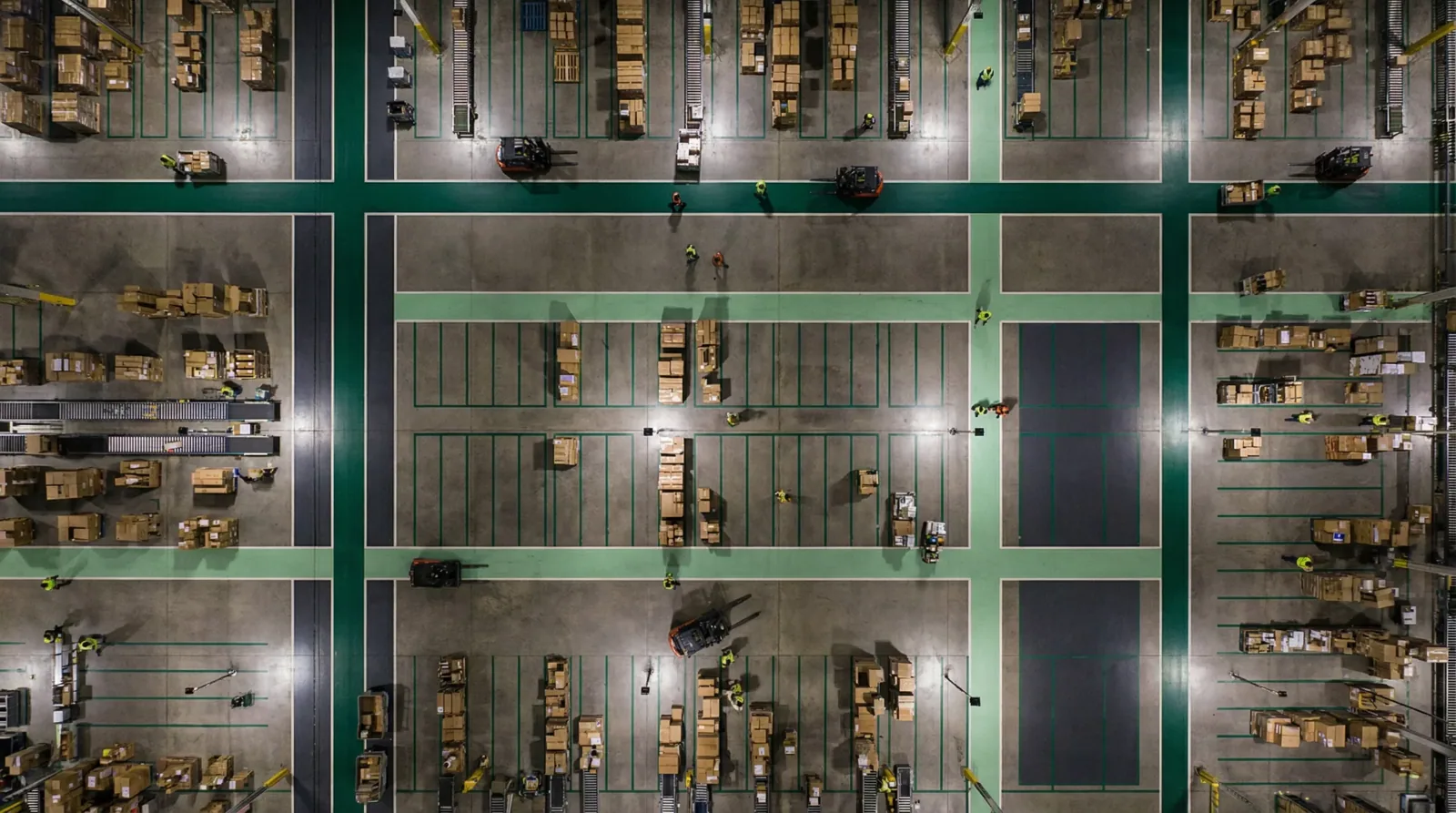
A leak over a picking aisle or dock can interrupt product movement before it becomes a large interior stain. Our first visit links the report to a roof zone, checks the nearest seams and penetrations, and identifies whether water has reached insulation or stored goods. We set a repair boundary from field evidence, not from the floor mark alone. A useful scope says what can be secured during the current access window and what needs a second test or broader approval.
Longview Business Park is served by US 259 near I-20, and North Business Park connects by FM 2275 toward US 259 and US 300. East Texas Regional Airport's airpark offers another transportation-oriented commercial setting with highway and rail access. Those locations matter for staging and dispatch planning, but no corridor establishes a particular building's roof condition. We confirm dock circulation, trailer routes, gate procedures, shift changes, and lift placement with the site manager before work begins.
Protect dock flow while the roof is accessed
Loading doors often remain active through much of the day. The roof crew needs a staging area that does not block trailers, fire lanes, employee parking, or yard equipment. Before setting a lift, we agree on the access path, spotter, overhead clearance, and a work window that avoids the heaviest receiving or dispatch period. If material must pass above a loading area, the site manager determines whether the door closes or the lane is temporarily rerouted. The daily plan includes cleanup and confirmation that the dock can reopen safely.
Three-party logistics sites may serve several customers under different delivery commitments. We coordinate one point of contact for roof access and a separate contact for inventory protection where needed. A phased occupied-facility sequence can stage work by dock bank or storage zone rather than closing the whole building. For a related operational setting, our manufacturing roof plan covers how process equipment and production schedules shape the same field coordination.
Find where water reaches the inventory area
Water may enter at a roof seam, perimeter edge, curb, pipe boot, or drain and then travel along a deck flute before it reaches the ceiling. We photograph the reported area and compare it with roof slopes, penetrations, prior repairs, and the nearest drainage path. If pallets or racking limit access below, staff should mark a safe aisle and protect inventory before the inspection. The crew documents that condition without moving goods or making assumptions about stock loss.
When the visible membrane looks intact, moisture could still be present beneath it. We distinguish visual observations from test results and propose a controlled opening only when it can answer a defined question. A roof moisture survey may help prioritize candidate areas for direct confirmation, while an on-site leak investigation follows an active water report to its likely roof entry. Each visit should produce a location-specific record that operations staff can attach to a facility work order.
Keep long roof runs draining to open outlets
Large distribution roofs can carry water across long distances before it reaches a drain or scupper. We check whether the outlet is clear, whether the roof plane feeds it, and whether flashing or a drain ring has separated. A low spot with standing water is recorded by location and extent instead of described as a system-wide failure. The report notes debris, damaged strainers, blocked overflow routes, and visible membrane distress as separate findings because each requires a different response.
Longview's July normal high reaches about 94 degrees, so roof access and surface preparation need a safe work window. We inspect drains, edges, and seams at the property and document which details remain serviceable. When an outlet detail needs work, a drain and scupper repair can address the specific connection. We also identify who is responsible for clearing the surrounding roof area after the repair so cartons, tie-downs, and loose debris do not obstruct the water path.
Account for rooftop units and assembly transitions
Fans, HVAC units, cable supports, vents, and roof hatches can interrupt membrane continuity. We inspect each curb and penetration for split corners, loose metal, failed sealant, unsupported conduits, and signs of movement. If a lift or service technician must touch operating equipment, the facility assigns that work to its authorized trade. The roofing crew protects the opening, completes a compatible tie-in, and leaves service clearance around the unit. The scope names any shutdown that must happen before the next stage can proceed.
Longview industrial parks serve manufacturing, logistics, and commercial uses. When records show more than one roof phase, we map each section and check its transitions separately. We record the observed assembly and avoid extending one material choice across an unverified transition. Compare the field details with the requirements for TPO roof assemblies and EPDM assemblies before selecting a repair or tie-in. A curb repair scope can address the unit interface without turning a localized concern into a full-roof proposal.
Set an approval-ready boundary for repairs
A repair can stay local when the membrane around the defect is stable, the substrate is suitable, and the new work can tie into compatible material. A broad opening may be needed if moisture, delamination, or deck damage extends beyond the visible failure. We show the evidence behind that choice, identify the limit of the inspected area, and price unverified work separately when appropriate. This gives an operations manager a clear option without treating a provisional quantity as a confirmed need.
A warehouse scope that changes the roof assembly or another building system needs a review path before material release. The owner and design lead can confirm the current commercial requirements with Longview's Building Inspection Division. We can document field conditions but do not substitute for that process. For facilities with several roofs, condition reporting keeps photos, zones, priorities, and test limits together. A portfolio manager's roof record can then keep access contacts and repair history aligned by building rather than by customer account.
Leave the site with a usable roof record
Before demobilizing, the supervisor confirms that the repair boundary is closed, loose materials are removed, the roof access point is secure, and the dock or yard route is returned to the facility. The closeout identifies the building, roof zone, materials used, detail photographs, test results, and any follow-up that remains. If water affected a stock aisle, the owner retains its own inventory record separately from the roofing report. Our notes focus on the roof evidence, so future maintenance does not rely on a remembered conversation.
For logistics facilities in East Texas Regional Airport Airpark, North Business Park, or other Longview-area districts, send the roof plan, dock schedule, gate rules, lift limits, and leak map before the visit. We will return findings in an approval-ready format, identify what can be corrected promptly, and list the access or test decision needed for any larger scope.
Commercial Roofing Questions
Can roof crews work without closing a distribution center?
Often, if the facility approves a zone-by-zone work plan. We coordinate dock flow, lift access, product protection, and the end-of-shift tie-in with the site contact.
What should we do if a leak is over stored inventory?
Mark the affected aisle, protect goods under your facility procedure, and share the roof plan and leak location. The inspection then traces the likely entry without making claims about inventory loss.
Do you inspect roof drains during a leak visit?
We check the relevant outlet and overflow route when they may affect the reported area, and record their condition separately from seam, curb, or membrane findings.
How do you scope an uncertain wet area?
We separate visual evidence from confirmed moisture and explain whether a survey or controlled opening would answer the remaining question before pricing broader work.