
TPO Commercial Roofing in Longview, TX
TPO Commercial Roofing
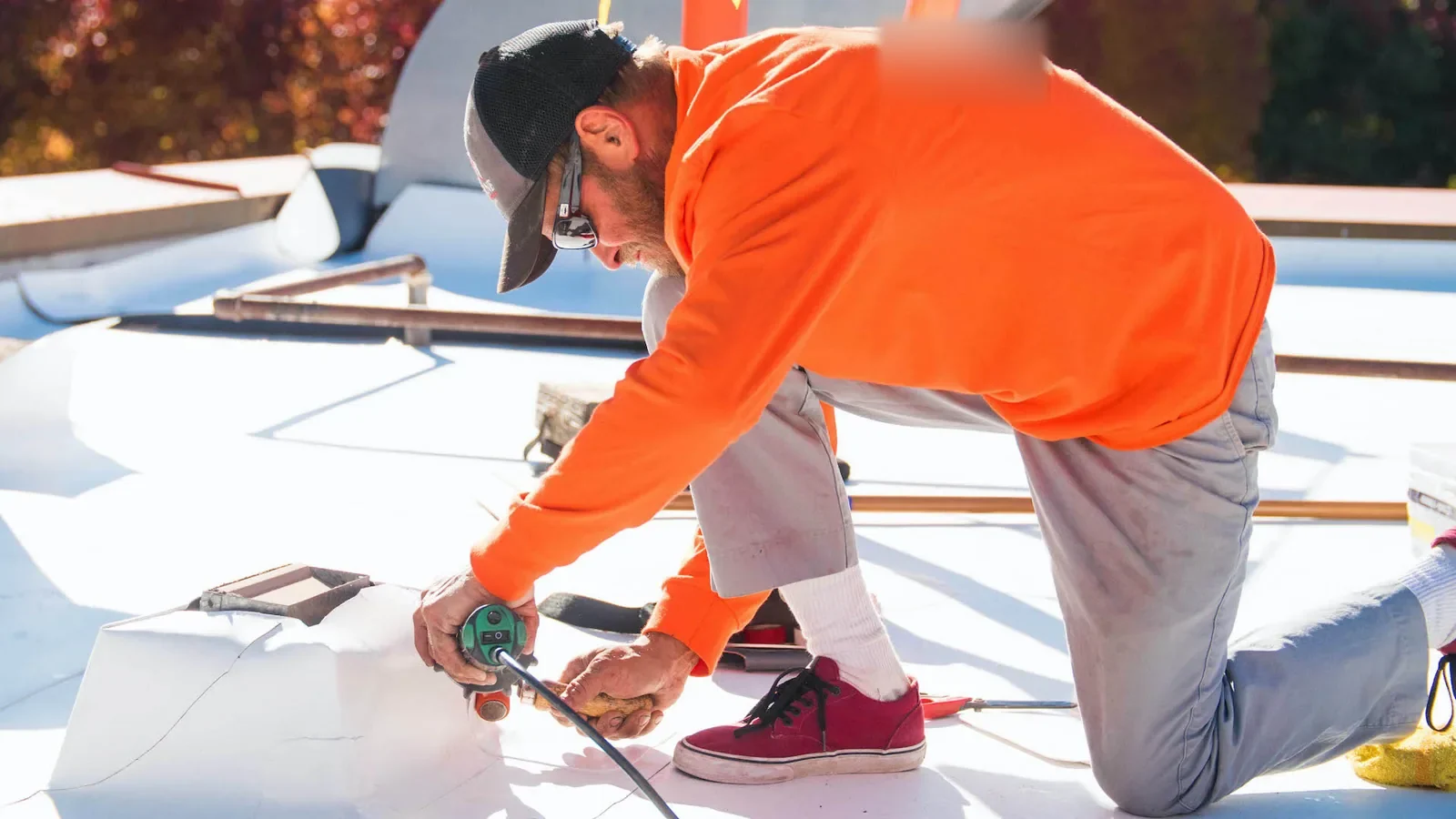
A TPO seam can look closed while a narrow unfused channel still lets water beneath the sheet. In Longview, TX, we test the weld, inspect its terminations, and check the insulation below before choosing a repair. A probe can reveal a loose edge, but the membrane also needs enough flexibility and cleanliness to accept a new weld. We follow the water path to nearby curbs, drains, and roof edges, then mark the boundary that reaches stable material. That keeps a repair tied to the failed detail rather than the ceiling symptom.
Longview’s July climate normals include daily highs near 94 degrees Fahrenheit, which affects roof-surface temperature and the work window for welding. At Longview Business Park or Downtown Longview, the site contact identifies equipment routes, access limits, and occupied areas before the inspection. The membrane name alone does not explain why water entered. We record assembly layers, seam condition, attachment, drainage, and operations before preparing a TPO scope.
Test the seam before rebuilding it
TPO joins by heat welding. Dirt, moisture, a poor travel speed, incorrect heat, wrinkles, or an aged surface can leave an edge that separates under movement. We examine seam ends, intersections, patches, and areas around curbs where the sheet changes direction. The probe locates open edges; a prepared test area shows whether nearby membrane still fuses cleanly. If material is brittle or contaminated, we identify a compatible repair approach rather than welding blindly over a weak surface. Photos record both the prepared edge and finished weld.
Seam failure sometimes follows a larger issue. A loose termination can move the field, while wet or displaced insulation can distort the sheet. We check whether an opening ends at a sound tie-in and note any layers that need test cuts. A roof repair scope should say whether work is confined to a seam, includes adjacent flashing, or needs further investigation. The owner can then distinguish a localized weld repair from broad deterioration that calls for a different project.
Follow the attachment into the perimeter
TPO may be mechanically attached or adhered, and the attachment method affects how the membrane responds at corners and edges. We inspect fasteners where visible, field movement, perimeter bars, edge metal, and exposed transitions. If wind has worked beneath the sheet, strain may show well inside the roof zone rather than only at the perimeter. The deck and fastening substrate matter when securement has failed. We identify what can be confirmed from the surface and where an opening is needed to verify the connection below.
US 80, South Eastman Road, and Mobberly Avenue are named Longview commercial corridors. The building's roof plan and field inspection identify the system under review. We inspect the actual parapet, coping, gravel stop, or fascia. A metal edge repair may need to connect with the TPO termination so the restored seam is not left beside loose metal. Where attachment and membrane both show movement, the scope maps connected areas instead of applying isolated patches to each visible wrinkle.
Check each curb, drain, and penetration
Roof leaks often begin where TPO meets a curb, pipe boot, skylight, drain bowl, or wall. We inspect welds at corners, flashing height, secure terminations, and signs that equipment or pipe supports have shifted. At drains, the clamping ring and membrane connection must stay fixed while the bowl remains open. A loose boot or moving curb can keep stressing the sheet after a patch is installed. The repair needs to correct the transition itself and preserve a clean tie-in around its full perimeter.
If moisture appears below a detail, we map the affected zone and open the roof when needed to confirm the insulation and cover board. An infrared moisture survey may help choose test locations, but an opening confirms the layer condition. If only one curb has failed and surrounding TPO remains weldable, local work may fit. If moisture extends beneath several details, the proposal should show how removal reaches dry, stable material before the new membrane closes the assembly.
Keep drainage and hot-weather work in view
Longview's July normal high is near 94 degrees, so surface conditions affect the weld window. Roof slope and drainage show where water meets seams and transitions. We check low points, expansion joints, equipment supports, and wrinkles that divert flow. Standing water can expose a weak weld for longer, but a patch alone does not correct a settled roof zone. We record whether water remains after the roof has drained and whether insulation or cover board has shifted. For a property around the I-20 corridor, access and material staging may shape the visit, yet the drainage finding comes from the roof itself.
The City’s Building Inspection Division reviews commercial building plans under Longview’s adopted building and energy codes. Larger assembly changes may require City plan review and design coordination. We document the existing roof layers and proposed TPO details for the owner’s coordination when applicable. A drainage correction may need to accompany membrane work when a bowl, scupper, or low slope is contributing to repeated water. Structural questions remain a separate design issue, not an assumption in a membrane repair.
Match the membrane to the retained assembly
A TPO repair depends on cover board, insulation, attachment, edge securement, and the membrane tie-in. We identify whether the existing sheet can accept a new weld and whether damaged board has to be removed. If an overlay is being considered, the existing layers must be dry and stable. A recover evaluation confirms whether they can remain; wet insulation or failed attachment may instead require replacement. Each option is tied to openings and observed material condition. TPO and PVC both use welded seams, while EPDM joints rely on a different seam method. A PVC roof assembly also requires material-specific preparation and welding.
Building use also affects the sequence. A warehouse may need clear service paths; an office or healthcare facility may limit work above occupied rooms. We define staging, roof access, daily dry-in boundaries, equipment constraints, and how concealed conditions will be reviewed before expanding removal. A photo-backed condition record identifies the inspected TPO zones and completed repair limits. That record helps the facility team compare the same seams and transitions on a later visit.
Leave each weld ready for later review
Closeout photographs show the prepared membrane, completed weld, seam intersections, curb corners, and any drain or edge detail included in the scope. We list the roof zone and limits of work. If a test opening exposed wet insulation or damaged deck outside the approved area, we record it separately. The next inspection can then compare the same seam and flashing details instead of relying only on the room where a leak appeared.
Share the roof plan, known TPO system details, leak locations, repair history, equipment restrictions, and access hours. We will check the weld, attachment, and supporting layers, then identify where local work ends and a wider repair begins. At Longview Business Park or the I-20 corridor, material staging follows the individual property’s operating limits.
Commercial Roofing Questions
Can an open TPO seam be welded again?
A new weld may work when the sheet is clean, flexible, and compatible with the repair, and the substrate is stable. We probe the edge and test the prepared surface when needed. Brittle membrane, wet insulation, or a loose termination changes the repair boundary.
Why is the leak far from the seam that failed?
Water can travel beneath the sheet or along insulation joints before reaching an interior opening. We compare the stain with roof slope, drains, penetrations, and seam direction, then test the assembly if the route remains unclear. The repair follows the confirmed entry point and wet area.
Can another TPO layer go over the existing roof?
Only if the retained assembly is dry, stable, and suitable for the proposed system. We check attachment, moisture, drain elevations, and curb height first. Saturated insulation or a weak substrate should be removed rather than covered by another membrane.
What should the closeout show?
The finished weld, intersections, curb and drain transitions, and adjacent membrane should be photographed. We record the repaired zone and any excluded condition. Later maintenance can use those images to check whether the same tie-in remains secure after roof movement and weather exposure.