
Commercial Roof Drain and Scupper Repair in Longview, TX
Commercial Roof Drain and Scupper Repair
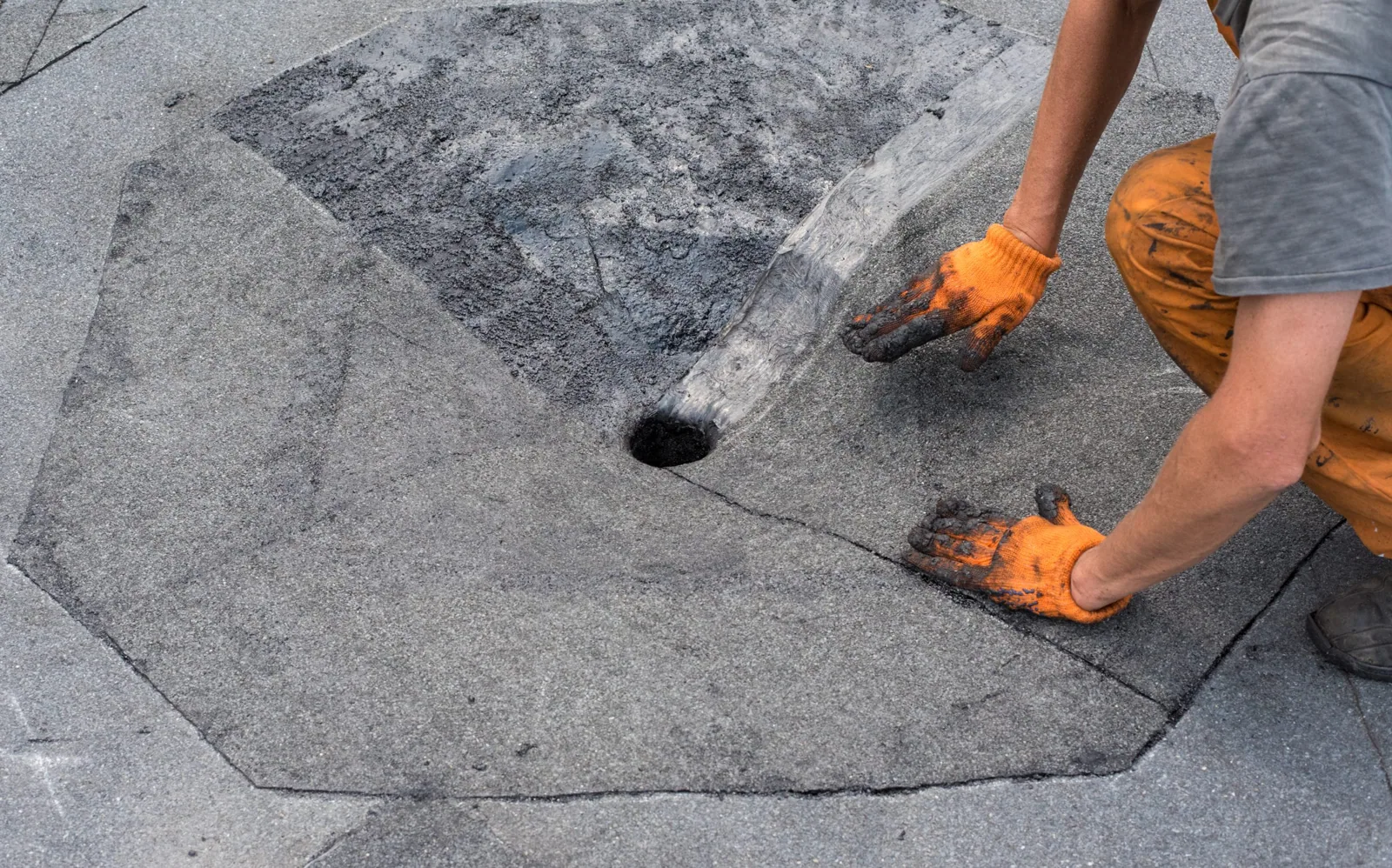
Water still standing after nearby drains have cleared points to a roof condition that needs a closer look. In Longview, TX, we trace the path from high points to each drain, scupper, and overflow before deciding whether the problem is debris, a failed bowl connection, or a low area in the roof assembly. A clogged strainer needs clearing; a loose ring, split flashing, or settled insulation needs a different repair. The scope names the condition and correction.
Longview’s commercial properties range from industrial and distribution parks to downtown offices and retail corridors. A roof in Longview Business Park may drain through several interior bowls around equipment, while an older roof near Downtown Longview may route water to scuppers and perimeter gutters. We inspect the actual layout, not the district label, and record how each drainage point behaves. That record helps facility staff distinguish a maintenance item from a slope, membrane, or capacity issue requiring further evaluation.
Trace the drainage path, not only the puddle
We begin at the apparent low point and follow the roof surface uphill. Water can be held by displaced ballast, debris, equipment supports, settled insulation, a blocked bowl, or a membrane wrinkle. We compare the ponding area with slope, drain position, and visible deflection. If the roof plan shows crickets or tapered insulation, we check whether field conditions still direct water as intended. A lasting diagnosis needs roof geometry and inspection after the surface drains enough to expose the detail.
At each drain, we inspect the strainer, bowl, clamping ring, flange, membrane termination, and visible connection to the roof. At scuppers, we check the opening, metal sleeve, flashing, downspout, and discharge path. We look for loose fasteners, corrosion, separated seams, sealant failure, blocked overflow openings, and signs that water is backing up against the wall. A commercial roof inspection can map the roof zone and compare multiple drainage points when the problem appears on more than one side of a building.
Repair the bowl and membrane interface
A roof drain works only when the membrane connection stays tight around the opening. We identify the roof type and attachment before removing the strainer or disturbing the bowl. A loose ring may need to be reset, but a cracked flange, deteriorated bowl, or membrane pulled away from the drain requires more than debris removal. We open only enough assembly to confirm the interface and substrate. The repair scope describes how the membrane will be prepared, secured, and sealed into the drain detail using compatible materials.
Scupper repairs also depend on the entire opening. We check metal condition, laps, through-wall flashing, and the connection to the roof membrane. If the metal has pulled away or the opening is deformed, sealant alone will not restore the path. Downspouts and extensions need a clear discharge route so water is directed away from the wall and building entry points. Where a coping, gutter, or downspout repair is also needed, we list that work separately from the membrane connection and explain how the parts meet.
Correct low areas without creating a new problem
Persistent ponding can reflect a low roof zone, settled insulation, deflected deck, blocked drain, or a combination. We measure or document the surface condition and look for signs that the low area has changed over time. Adding material over a depression can raise nearby edges without improving flow, while filling a drain bowl can reduce the opening that carries water away. A slope correction may require tapered insulation, crickets, or rebuilding a local area, with attention to finished drain height, overflow, equipment curbs, and perimeter terminations.
Longview’s Building Inspection Division reviews commercial building plans and site plans under the city’s current adopted codes. Larger changes to drainage, insulation, or roof assembly may need review by the design team and applicable City coordination. Our Diligence Notes identify the existing condition and proposed roof detail so the owner has useful information for that process. If roof geometry or structural capacity is uncertain, we flag the engineering question rather than treating a roofing repair as a structural determination.
Keep primary and overflow routes clear
Interior drains, scuppers, and overflow openings perform different jobs. We identify the primary outlet and any secondary route, then confirm that screens, strainers, guards, or added coating have not blocked the opening. The overflow must remain visible and able to discharge where intended. If water stains or debris suggest back-up, we inspect the downstream path that can be seen and report when plumbing access is needed to confirm the concealed piping. A maintenance visit can include clearing accessible debris and recording drainage behavior, but a blocked pipe or failed bowl connection may require separate repair work.
Water also reaches curbs, walls, and expansion joints. We check flashing height and whether a low point directs flow toward a weak seam. If moisture may have reached insulation, an infrared moisture survey can identify areas for test openings. An opening confirms which layer is wet and how far removal should go.
Plan drainage work around building operations
Drain and scupper work may require roof access during active operations and temporary control of the area below. We coordinate roof entry, mechanical equipment, occupied rooms, and loading or public paths affected by staging. Along the I-20 corridor, deliveries can affect timing; around US 80, customer and tenant circulation may matter. We confirm conditions before opening a drain or moving materials.
Before opening a drain, we set a dry-in plan that keeps rain protection from blocking another route. Closeout photos show the repaired bowl, flashing, sleeve, and surrounding field, along with items needing review after rain.
Specify a drainage repair with clear limits
The proposal identifies each drain or scupper, visible defect, repair method, and any opening needed to confirm the substrate. It states when slope correction, plumbing investigation, or structural review falls outside the roofing scope. We separate debris clearing from permanent work and mark each affected roof zone.
Send a roof plan if available, photos of ponding, leak locations, prior repair records, roof access instructions, and the hours when the building is active. We will trace the drainage route, inspect the bowl or scupper connection, and show the boundary of the proposed work. For roofs near Downtown Longview or Longview Business Park, the repair still follows the individual property’s slope and discharge path. A photo-backed condition report can preserve the findings for later maintenance.
Commercial Roofing Questions
Does ponding always mean the roof needs replacement?
No. We first determine whether the cause is debris, a drain defect, settled insulation, a low area, or another condition. Local corrections may be possible when the surrounding assembly is stable. Widespread wet material, deck concerns, or drainage geometry that cannot be corrected locally changes the scope.
Can you clear the drain during a maintenance visit?
Accessible debris and strainers can be cleared when the roof and drain are safe to service. We also inspect the membrane connection and note any damaged ring, bowl, or flashing. If the blockage is inside the pipe or a component must be opened, we identify the additional work needed.
How do you know whether water is entering at the drain?
We inspect the membrane termination, bowl, clamping ring, nearby seams, and the underside or ceiling condition when access allows. A test opening may be needed if insulation hides the path. The report labels the confirmed entry point and notes any remaining uncertainty.
Will a larger drain solve recurring ponding?
Only if the outlet size is the limiting condition and the downstream system can accept the change. We document the roof geometry and visible drain condition, then identify when plumbing or design review is needed. A roofing scope should not promise capacity that has not been evaluated.