
Warehouse Roofing in Longview, TX
Warehouse Roofing
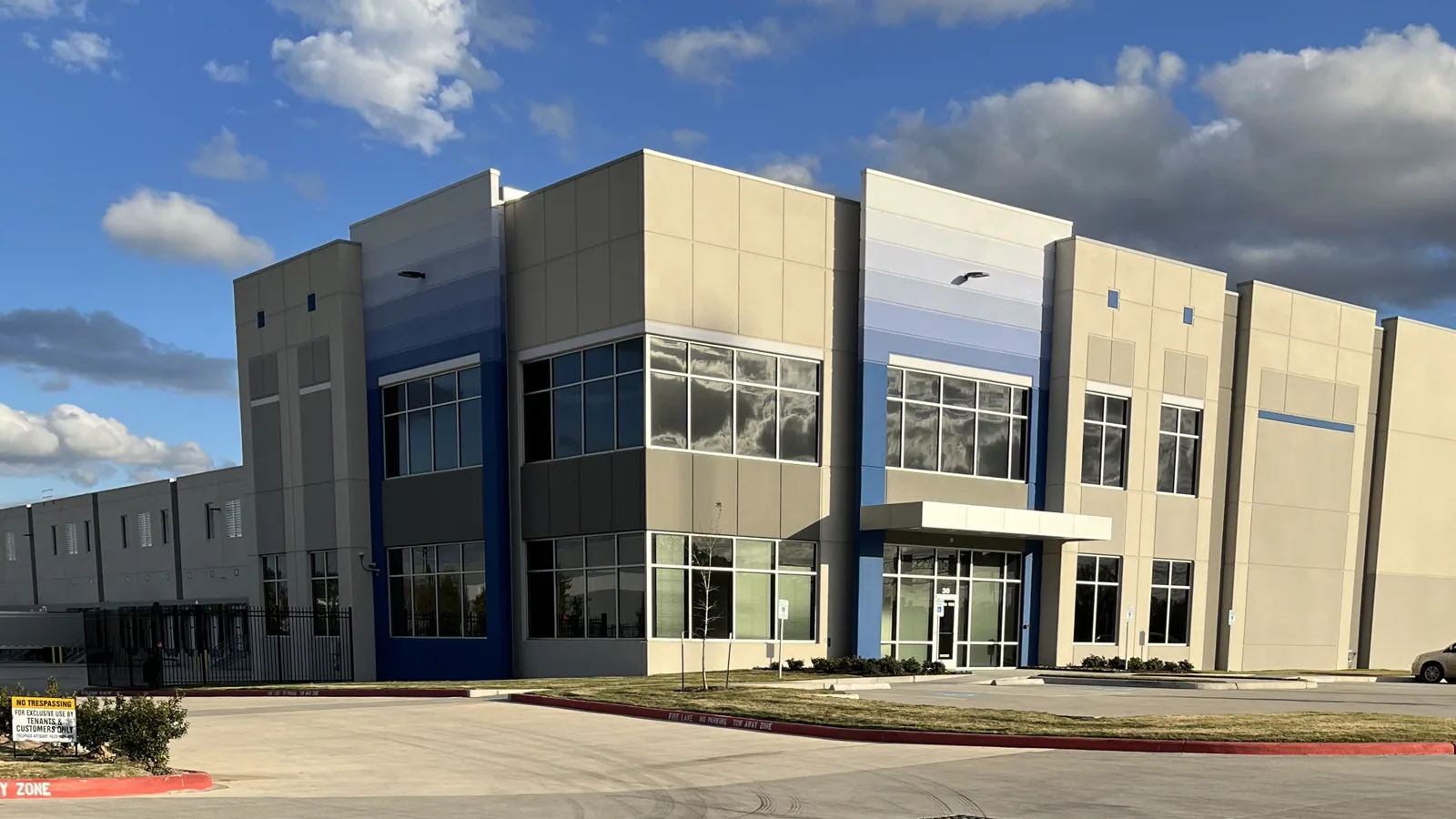
Water over stored inventory or a loading aisle can interrupt the warehouse long before a roof opening becomes easy to see. We inspect the membrane, seams, drains, equipment penetrations, and interior reports by roof zone, then define the repair boundary around sound material. The building's clear-span areas and rack layout affect what can be protected below, while dock schedules shape when crews and materials can move. A useful plan connects the roof condition to the warehouse operation it serves.
LEDCO describes Longview Business Park as a 475-acre light-industrial site with available lots from 5 to 20 acres. East Texas Regional Airport Airpark is a separate 300-acre industrial park and Foreign Trade Zone supporting regional aviation activity. These commercial sites have distinct access conditions, and neither determines the roof design at a warehouse. We review roof plans, dock access, equipment locations, and known leak history before selecting a repair, maintenance, or replacement scope.
Trace the leak without moving the boundary indoors
A warehouse ceiling drip may show up far from the failed seam because water travels along a deck flute, insulation joint, joist, or conduit. We compare the interior location with roof slope, drain paths, curb flashings, seams, and previous patches. When the source is uncertain, we inspect more than one plausible route rather than treating the stain as the exterior repair point. If a broad moisture area may be present, an infrared moisture survey can help choose test openings.
Longview's humid weather and storm events can leave wet insulation concealed below a roof surface. We confirm thermal indications through openings before assigning a removal quantity. The findings show what is wet, the deck condition, and how far the repair should extend. If the affected zone is narrow, a leak repair can correct the entry. If moisture reaches several bays, the owner may need a broader replacement assessment.
Protect outlets and loading-side roof details
Roof runoff has to reach drains and scuppers without crossing open seams or collecting against a curb. We check strainers, drain bowls, sumps, overflow openings, gutters, and membrane around each outlet. Warehouse roofs can have long drainage paths, so a blocked strainer and a settled area are different problems. The inspection records whether water remains after rain, where it concentrates, and which correction is included. A drain and scupper repair may be required if the outlet detail itself has loosened or cracked.
At loading zones, canopies, wall transitions, and dock-side edges need attention because repeated vibration and building movement can stress metal joints. We inspect coping laps and perimeter attachment where water could enter behind the field membrane. A coping and edge-metal correction can address that path. The work boundary also keeps drains open while the roof is being repaired, so storm water does not back up behind temporary protection.
Match repair materials to the existing system
Warehouse roofs may use TPO, PVC, EPDM, modified bitumen, built-up roofing, metal, or coating systems. We identify the existing assembly before selecting a patch or flashing material because preparation and seam methods differ. Heat-welded sheets require compatible membrane and a clean weld zone; EPDM needs its own adhesive, primer, and flashing. If past repairs include silicone, asphaltic residue, or multiple materials, the roof surface must be assessed before a new layer is applied.
A localized repair should reach material that can hold the tie-in. If the surrounding membrane is brittle, the insulation is wet, or the deck cannot support attachment, a small patch may not protect the stored goods below. The commercial roof repair scope records the system, preparation, and finished boundary. Where several roof zones show different conditions, an inspection can separate immediate work from planned renewal.
Keep inventory and material flow protected
Before opening a roof section, we identify what sits below it, where forklifts and lift equipment travel, and whether racking or stored goods can be covered or moved. If the leak is near sensitive inventory, temporary collection and interior protection should be placed before permanent work begins. We coordinate the roof boundary with the facility manager so no one receives a surprise closure below an active work area. Dust, debris, noise, and odor are included in the job discussion.
Longview's distribution and manufacturing activity makes dock access and delivery windows a practical scheduling factor. Material staging should not block truck circulation, fire lanes, or forklift routes. We plan a sequence by roof zone and make each exposed section weather-tight within the agreed work window. A phased occupied-building plan can help when one part of the warehouse must keep operating while another receives roof work.
Use roof records to prevent repeat calls
A repair record should show the location, material used, preparation, and any condition left for follow-up. Warehouse teams can use a roof-zone map to match an interior report with the right exterior detail and avoid reopening the same search after every storm. We also note debris, equipment changes, blocked outlets, and prior patch edges that need a scheduled check. A preventive maintenance visit can clean outlets, document developing defects, and keep a small failure from affecting a larger inventory area.
For operators managing multiple buildings, the service history can be grouped by address, roof zone, and date. Longview's business parks include manufacturing, distribution, logistics, and commercial uses, so the record should remain specific to the facility rather than assume identical roofs. A distribution-center roof plan may emphasize dock sequencing, while a manufacturing-plant roof may require closer tracking of equipment penetrations. A portfolio tracking plan can connect inspection findings, warranties, and planned repairs across several buildings.
Leave the warehouse manager a clear next step
At closeout, we photograph the repaired detail, nearby drainage, and the roof zone so the facilities team can locate the work. The report distinguishes a completed repair from a suspected condition that needs testing or a separate authorization. If wet insulation or damaged deck extended beyond the approved area, those findings are documented before they are covered. The warehouse manager receives an update on any area that needs to remain protected or monitored.
In Longview, share roof plans, dock schedules, interior leak locations, and inventory protection requirements before the visit. We will inspect the roof assembly and coordinate access around shipping and receiving. The resulting scope explains the repair boundary, operating limits, and maintenance action that best protects the building's inventory and daily flow.
A warehouse inspection can be sequenced by roof bay so active inventory, forklifts, and loading operations remain protected. Confirm the aisle or dock beneath the reported zone and establish a ground exclusion area before opening the roof. At each bay, map drainage direction, equipment penetrations, and visible repair history. If a leak lies above stored goods, the facility can relocate inventory or protect it before testing. The report should identify the bay, opening, and restoration so the next shift can verify the area.
Commercial Roofing Questions
Can a roof leak be repaired without closing the warehouse?
Often, when access and interior protection are planned around the affected area. The roof zone, loading routes, stored goods, and daily schedule determine how crews stage and how long a boundary must remain protected.
How do you locate a leak above a large storage area?
We compare the interior report with roof slope, seams, drains, curbs, and previous repairs. If the moisture area is unclear, targeted testing can separate a local entry point from a broader wet assembly.
Will you inspect the roof while inventory remains below?
Yes, with a site plan for access and any needed interior protection. The facility contact can identify sensitive goods, rack aisles, and equipment routes before the roof section is opened.
What information helps plan warehouse roof work?
Roof plans, leak history, dock and shift schedules, inventory concerns, and equipment locations help define a safe work zone and realistic daily boundary.