
Modified Bitumen Roofing in Longview, TX
Modified Bitumen Roofing
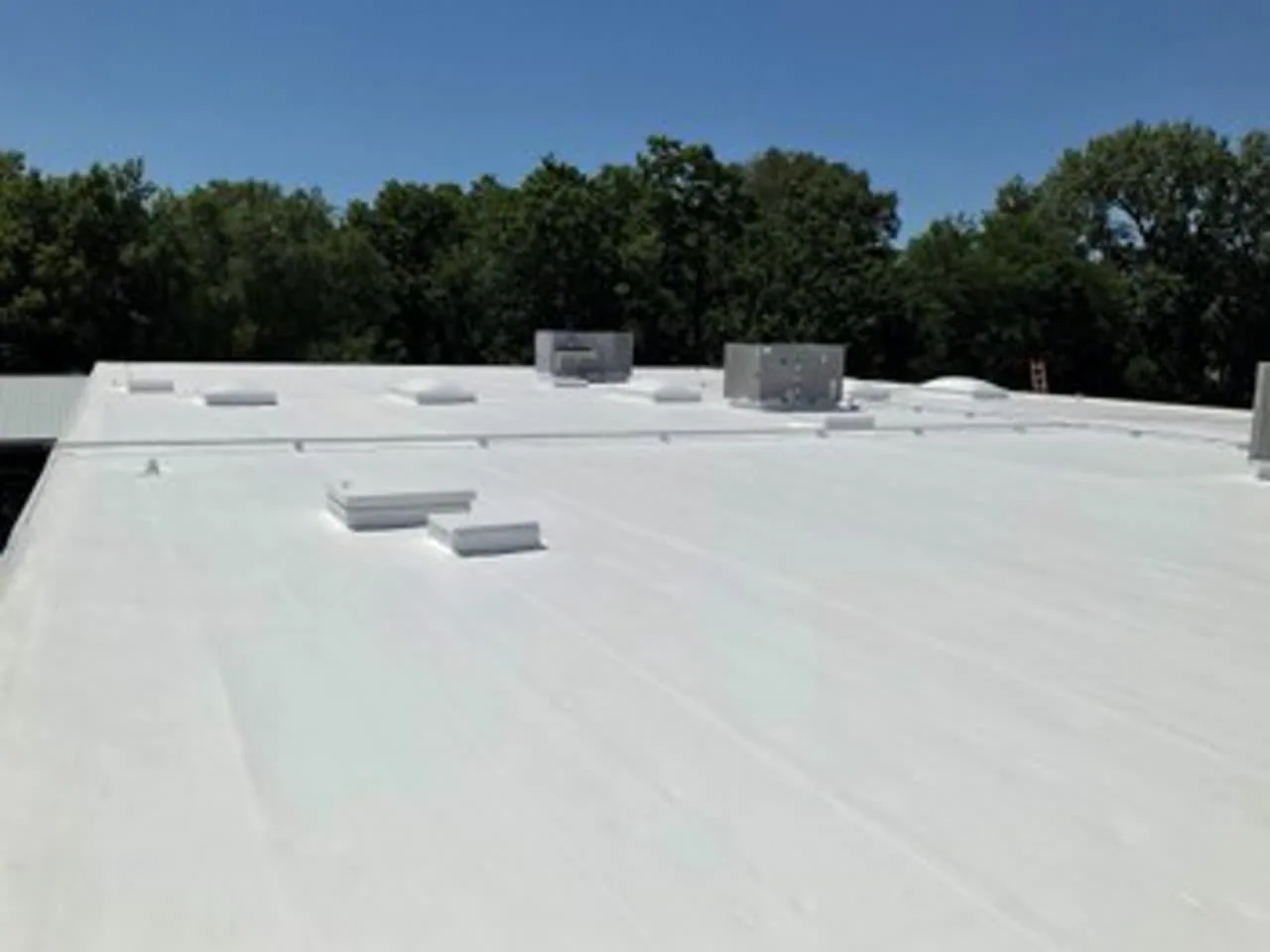
A blister in a modified bitumen roof needs to be opened carefully enough to learn whether the layer below is dry. The raised surface might hold air, water vapor, or moisture in the insulation, and each condition changes the repair. In Longview, TX, we inspect the cap sheet, laps, base flashing, drains, and prior patches before cutting. A compatible repair has to reach stable material and restore the layers that carry water to the drain, not just cover a bubble with another strip.
Longview’s hot season exposes roof surfacing and flashing to sustained heat. Commercial buildings around Downtown Longview and the I-20 corridor vary in access and operating constraints, so the work route must be planned for each property. We verify whether the existing roof is SBS or APP modified bitumen, identify the surfacing and installation method where records allow, then assess wet insulation and deck condition. The proposal identifies which layers can remain and where removal must reach a sound tie-in.
Read the plies before cutting the cap sheet
Modified bitumen assemblies can include a base sheet, one or more reinforcement plies, and a surfaced cap sheet. The system may have been installed with torch-applied, hot asphalt, cold adhesive, or self-adhered methods. Those layers are not interchangeable, so we inspect exposed edges, laps, penetrations, and prior repairs before selecting material. We look for open seams, fish-mouths, cracks, granule loss, exposed reinforcement, blistering, and patches that have separated. Test cuts establish whether moisture is confined to the surfacing or has reached insulation or deck.
Longview planning describes commercial and redevelopment corridors along US 80, Estes Parkway, South Eastman Road, and the I-20 approach. Those places tell us where commercial activity is concentrated, not which roof assembly a particular property has. We document the actual layer sequence and note where the surface conceals prior work. If a repair opens several plies, the scope states how each layer will be restored and how the finished cap sheet ties into the existing roof.
Rebuild laps and flashing with compatible materials
Open laps are a common entry path when the bond has failed, the sheet was poorly aligned, or movement has stressed a seam. We clean and prepare the exposed surface, remove loose material, and tie the repair to sound membrane. At walls and curbs, base flashing must rise and terminate securely; at drains, the membrane connection must remain clamped without obstructing flow. A patch that ends on loose granules or damp material may release again. The repair description identifies the preparation and lap method rather than treating every defect as a surface crack.
Heat-based application requires controlled work areas and coordination with roof openings, equipment, and combustible materials. We check the existing method and select a compatible repair process for the assembly. Where work involves torch application, the site plan must address hot-work controls and protection around penetrations and rooftop equipment. A modified bitumen repair can be local when surrounding plies remain sound. Multiple open laps, broad blistering, or wet insulation may need a wider removal limit.
Check surfacing, drainage, and moisture together
Mineral surfacing protects a cap sheet, while smooth-surfaced versions rely on a different protection or coating detail. We inspect granule loss, exposed reinforcement, alligatoring, abrasion, and areas where a prior coating has cracked. At low points, we trace water toward drains or scuppers and check whether the membrane remains bonded around the opening. Persistent ponding can expose laps and flashing for longer, but adding another cap sheet does not correct a settled roof zone or a blocked outlet. A drainage inspection may be needed when water remains after the roof has drained.
If an opening reveals wet insulation, we mark the affected roof zone and continue testing until dry material provides a stable boundary. An infrared moisture survey can help identify candidate areas, but a test cut confirms the layer condition. We photograph each opening and how it is closed. If the deck is deteriorated or the assembly has several concealed layers, we identify those unknowns for the owner before extending removal, so the repair scope remains tied to what the roof actually shows.
Account for hot-season installation conditions
Longview July climate normals reach daily highs near 94 degrees Fahrenheit. Surface temperature and weather affect adhesive handling, asphalt, membrane flexibility, and safe production windows. We schedule preparation around the selected system requirements and protect opened areas if rain is possible. Heat also moves metal terminations and can expose weak transitions where the cap sheet meets coping, curbs, or pipe supports. We inspect these interfaces together and state which adjoining detail must be rebuilt to keep the repaired field from ending at another open seam.
The city reviews commercial building and site plans through its Building Inspection Division under current adopted codes. Larger roof changes may require plan review and coordination beyond a repair. We document the modified-bitumen layers, insulation, and proposed detail for the owner to use in that process. A roof plan should distinguish field repair from structural, drainage, or energy-code decisions that belong to design review. For an occupied property near Longview’s retail corridors, we also set access, odor, noise, staging, and dry-in limits before work begins.
Compare patching with recover and replacement
A local patch can fit when damage is confined, the existing plies remain bonded, and the substrate is dry. If moisture, open laps, or deteriorated surfacing appears across several roof zones, selective tear-off may provide a more dependable repair boundary. A recover review must verify that retained layers are stable and that the added height will not compromise drains, curbs, and parapets. If the roof cannot support a sound tie-in or moisture extends widely, replacement may be the clearer scope.
Modified bitumen and built-up roofing both use multiple layers, but their reinforcement, surfacing, and installation details differ. A TPO system uses a single-ply membrane and heat-welded seams, which creates a different approach to transitions and service. We compare the proposed system against the deck, rooftop use, drainage, and maintenance access. The owner receives the layer sequence, removal limit, flashing plan, and any unresolved conditions that can change the final work.
Keep the layer record with the roof plan
Closeout photos should show the exposed plies, dry-in, repaired lap, flashing, and finished surfacing. We list where each repair stops and whether the deck or insulation was opened. A condition outside the approved limit is recorded separately for review. That creates a history the maintenance team can use when another leak appears, especially if the roof has several past patches or material layers. A photo-backed condition record keeps the repair details with the building’s roof file.
Send the roof plan, known leak locations, modified-bitumen repair history, roof access limits, and equipment constraints. We will identify the existing method, inspect the layers, and define whether the work is a local lap repair, selective removal, or a broader replacement scope. In Downtown Longview or near I-20, staging and operating hours are coordinated with the building team before material is opened.
Commercial Roofing Questions
Can a blister be repaired without replacing the roof?
A small blister may be repairable if the roof beneath is dry and surrounding plies remain bonded. We open a test area, check insulation and deck, and define the boundary from those findings. Moisture or widespread separation changes the scope.
How do you choose a repair material for an older modified bitumen roof?
We identify the existing surfacing, reinforcement, and installation method, then select compatible materials and preparation. A generic patch can fail if it cannot bond to granules, coating, or an incompatible prior repair. The test area confirms how the exposed surface accepts the tie-in.
Does another cap sheet fix standing water?
It may restore a worn surface but does not correct a low area, blocked drain, or settled insulation. We inspect slope and outlet details first. If ponding remains, the scope needs a drainage correction or design review before new surfacing is selected.
What information helps scope a modified bitumen project?
Roof drawings, known leak zones, previous patches, access constraints, and any record of the installation method help focus the inspection. We confirm the layers at the roof and photograph test openings. The proposal then shows preparation, removal limits, tie-ins, and weather protection.