
Commercial Roof Warranty Management in Longview, TX
Commercial Roof Warranty Management
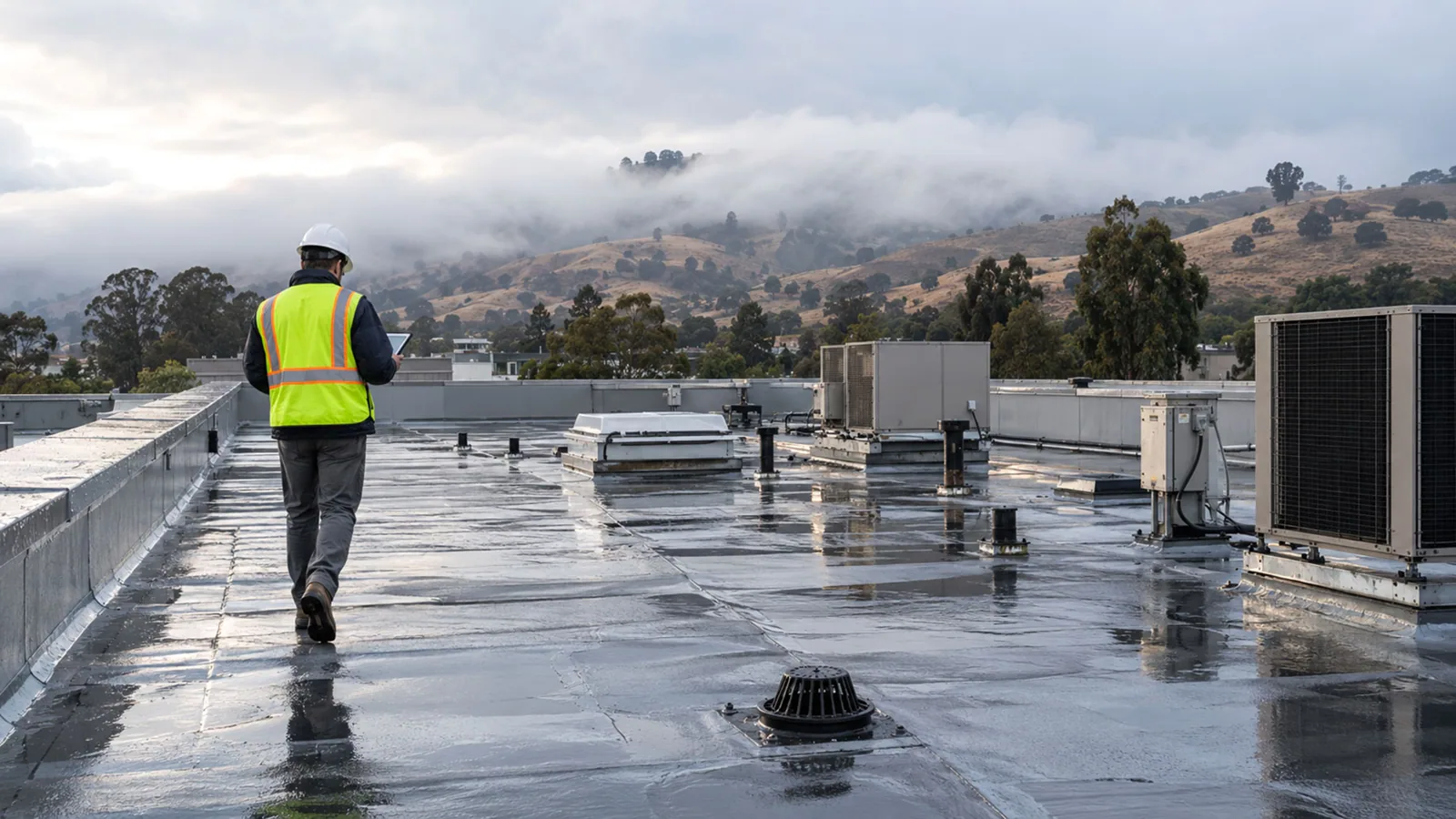
A roof warranty can be difficult to use when the owner cannot find the system, notice requirements, or repair history. We help organize the documents around the building and roof zone, identify dates and maintenance obligations recorded in the paperwork, and keep service work tied to the correct assembly. The manufacturer's actual written terms govern coverage. Our role is to preserve the records and document roofing conditions so the owner can follow the required process.
Longview's commercial properties range from Downtown reuse buildings to industrial facilities near US 259 and the business parks. A portfolio may contain different assemblies, installation dates, and warranty providers even when the owner uses one facilities team. We verify each record rather than copy one asset's terms across another. Hot summers and seasonal thunderstorms make dated roof inspections useful for warranty documentation. Record the date, roof zone, condition found, photos, and any completed maintenance with the owner's warranty file.
Match each warranty to the correct roof
Start with the executed warranty, approved submittals, installer information, system description, building address in the owner's asset file, and roof-zone map. Record the effective date, stated term, coverage conditions, required inspections, owner duties, and notice channel exactly as documented. If a document is missing or the assembly changed, mark the gap and ask the responsible manufacturer or designer for confirmation. Do not infer coverage from a logo or a product name on an old invoice.
Longview Business Park is a 475-acre light-industrial park, while Downtown's plan covers older building reuse and infill. Those examples illustrate why a mixed portfolio may contain different systems, but they do not tell us which warranty belongs to a site. A roof asset record can retain the building-level file, and a condition report can record what the inspector actually sees. Keep the warranty document and field condition linked but distinct.
Track inspections and notices before a repair begins
Some warranties require advance notice, approved contractors, periodic inspections, or specific repair materials. The owner should check the written terms before cutting, coating, or altering a covered assembly. The maintenance schedule should note when drains, seams, edge details, and penetrations were reviewed and preserve any photographs requested by the provider. We can help identify the roof condition, document the proposed repair, and provide photos or test results requested by the manufacturer. The owner or warranty holder controls the notice and authorization process. If an active leak requires temporary protection, record the work and notify the proper contact as promptly as the terms require.
A maintenance calendar can track inspections, unresolved recommendations, and response dates. Longview's summer heat and thunderstorms make drain, seam, edge, and penetration checks useful, but the inspection follows the roof and warranty schedule rather than a weather assumption. A maintenance visit can update the facility log, and a roof inspection can document the condition before a repair. The file should record who completed each task and which roof zone was accessed. Store supporting records by building and warranty period.
Coordinate repairs with the system requirements
Before work, confirm the assembly type, repair method, and any manufacturer approval requirement. We check whether the proposed material is compatible with the existing membrane, flashing, insulation, or coating. If a test opening reveals a different layer than the record describes, pause and document the variance before continuing. A contractor's estimate does not itself amend a warranty or establish that a repair is covered.
Before a covered roof alteration begins, have the designer check whether Longview review or inspection is required for the specific assembly and equipment changes. Warranty coordination is only one part of that approval path. A GAF system record may have different documentation than a Carlisle SynTec record, so we keep material and provider details specific to the installed roof. The owner's documents determine the required process.
Keep the repair file complete after work
After approved work, retain the service scope, date, crew or contractor, materials used, photographs, test results, manufacturer communication, and any inspection confirmation. Note whether the repair was temporary or permanent and whether it changed any roof detail. If a section remains untested, the record states that limit. Closeout should not claim that coverage remains active unless the responsible warranty party confirms that status.
For facilities around Longview Business Park, Downtown, or South Longview, provide the warranty file, roof plan, prior repairs, and known access limits before scheduling. A claim-support record can document observed work after an event, but claim coverage is determined by the carrier. Keeping those records separate prevents a roof inspection from being mistaken for a warranty or insurance decision.
Update contacts when a building changes hands
A sale, property-management transition, or tenant change can leave warranty notices going to an outdated contact. The current owner should confirm whether transfer is allowed and what notice, fee, or inspection the written terms require. We can assemble the roof history and observed condition for that request, but only the manufacturer or warranty provider can approve a transfer. Keep the prior owner, asset manager, and current facility contact identified in the file.
Longview's county seat and regional business role bring different ownership structures across commercial properties. The local setting does not change warranty language, but a clear asset record helps the new manager locate it. A property manager roof record can preserve repair and access information by building and flag the person responsible for future notice.
Review open obligations with the facilities team
At an annual review, compare the warranty schedule with completed inspections, open repairs, and current roof access. Check that contacts, roof maps, system labels, and files remain current. If an inspection missed an area or a recommendation remains unresolved, keep it on the list with an owner and due date. The review is a records check; it does not expand coverage or replace manufacturer approval. Assign a staff member to track completion.
Send the roof list, executed warranties, prior reports, maintenance tickets, and known system changes before the review. We can return a gap list and identify which field visit or document request would close each item. That gives the facilities team a defined sequence for maintaining the warranty file and roof history. Assign responsibility for gathering invoices, inspection notes, and approved repairs so a notice deadline does not depend on locating one former employee's mailbox.
A warranty tracker works best when it distinguishes the roof area covered, the named document holder, and any separate warranty for an addition. Store notices, inspection records, repair approvals, and completed-work photos beside the correct property file. A calendar reminder is only useful if someone is assigned to act on it. We can identify the record gaps during inspection, but the owner confirms coverage and maintains contact with the provider. Keep a copy of every written response with the notice date.
Commercial Roofing Questions
Does a roof inspection confirm that the warranty is valid?
No. We document roof conditions and records available to us. The manufacturer or warranty provider determines current status and whether terms have been met.
Should we contact the manufacturer before a repair?
Check the written warranty for notice and approval requirements before altering a covered assembly. We can provide condition photos and repair details for that communication.
Can a warranty be transferred to a new owner?
Transfer depends on the actual warranty terms and approval process. The new owner should contact the provider; we can help assemble the roof records for review.
What should we keep after a roof repair?
Retain the approved scope, dates, installed materials, photographs, test results, and manufacturer correspondence with the specific building and roof-zone record.
Related roofing work.
- Commercial Roof Asset Management
- Commercial Roof Condition Reports
- Commercial Roof Maintenance
- Commercial Roof Inspection
- GAF Commercial Roof Repair and Inspection
- Carlisle SynTec Commercial Roof Service
- Commercial Roofing in Longview Business Park, Longview, TX
- Commercial Roof Insurance Claim Assistance
- Commercial Roofing