
Data Center Roofing in Longview, TX
Data Center Roofing
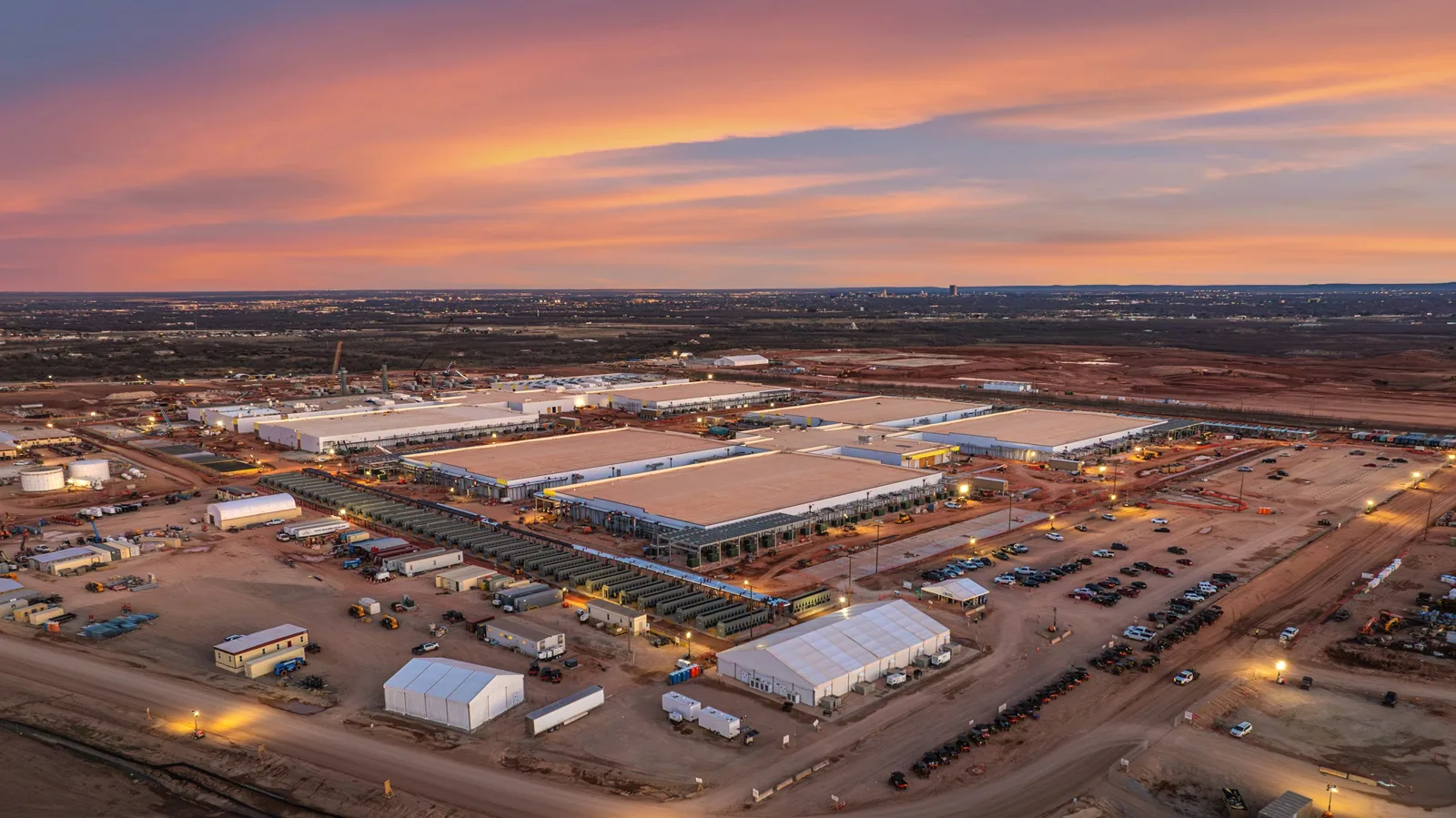
A roof leak over a critical room is an uptime problem before it becomes a ceiling problem. We identify the affected zone, check water paths around cooling equipment and penetrations, and set a repair boundary that keeps sensitive operations protected. Roof work must coordinate access, alarms, electrical routes, equipment service, and interior containment. The first visit documents what is visible and what still requires a test before a permanent correction is set.
Longview has industrial parks, highway-linked business areas, and aviation-related development around East Texas Regional Airport. The city also connects through I-20 and US 259. Those local settings can affect material access and work scheduling, but they do not establish that a specific facility is a data center or reveal its roof design. We evaluate each building's actual cooling equipment, power routes, roof assembly, and operating rules before planning repair or replacement.
Map moisture risks around critical equipment
Water may enter at a cooling-unit curb, cable penetration, seam, drain, or parapet and travel before reaching the interior. We compare alarm or room reports with roof slope, equipment layout, flashing, and prior repairs. Because the reported room can be far from the opening, we inspect the surrounding roof zones rather than apply a patch directly above the first visible symptom. If the leak path remains unclear, the report identifies candidate locations and the testing needed to confirm one.
Longview's July climate normal daily high is about 94 degrees, which makes cooling equipment and exposed roof details important to summer operations. During hot periods, roof inspection should be coordinated with the facility's cooling load and equipment-access rules. An inspection documents field condition, and drainage checks follow water toward outlets so a repair does not leave ponding beside equipment. We keep known facts separate from a facility's own environmental monitoring.
Set access and information controls first
Before a roof visit, the facility contact identifies escorts, badging, approved ladders or hatches, photography restrictions, and work areas that must remain isolated. A data center can have strict rules for moving tools, recording images, or entering mechanical rooms. We follow the owner's procedures and keep the roof crew's access to the approved route. The work plan names the person who can authorize a boundary change or emergency entry.
At an operating site near Longview Business Park or within the I-20 commercial corridor, staging still needs to avoid deliveries, emergency routes, and sensitive building entrances. We coordinate the material path and loading point with the facility, then record the conditions that affect access. A emergency roof response can be prepared for after-hours events, but it begins with the same safe access and authorization requirements as planned work.
Keep cooling equipment serviceable
Cooling equipment clusters can limit the crew's route and create multiple curbs, conduits, pipes, and support points in a small area. We inspect flashing around each base, check that service panels and coil access remain clear, and protect cable pathways from foot traffic and hot materials. If a unit must be lifted or disconnected to reach the membrane, the mechanical and roofing scopes must identify who controls the opening and when the equipment can return to operation.
Condensate is another path to trace. A drain line that discharges onto the roof can keep a local area wet, while a blocked internal drain may send water to a curb or penetration. We separate equipment drainage from rainfall runoff and coordinate with the site technician when the source is unclear. A curb and support repair can address a failed base detail without blocking the technician's service route.
Choose a roof correction that fits the assembly
Data center roofs may use single-ply membrane, built-up roofing, metal, or other assemblies, and each has a different seam and flashing method. We identify the field system before selecting repair materials. A new membrane patch needs a compatible substrate, clean preparation, and a tie-in to sound material. Coatings should not be used to conceal wet insulation, loose attachment, or a deteriorated deck. The owner receives a scope that explains the failure and the correction rather than a generic product name.
Longview's industrial parks serve manufacturing and distribution. For a data center, we document the individual facility's structure, roof assembly, access, and cooling equipment from its records and field inspection. A manufacturing plant roof plan can share concerns about equipment access while the data center's own cooling and security protocols remain distinct. If a future build-out changes the roof's insulation or drainage, a cover-board and insulation scope should coordinate thermal layers, curb heights, and water flow.
Plan repairs without losing the next work window
Roof work is broken into small, controllable zones so active edges can be secured before crews leave. The sequence accounts for forecast, material cure, equipment clearance, and the facility's permitted work hours. If removal exposes unexpected moisture or deck damage, we secure the opening, document the condition, and request direction before expanding the work boundary. A backup protection method is established for any section that must remain open longer than the planned shift.
A phased reroof plan can keep unaffected rooms and systems in service while a roof zone is repaired. Critical sites may also compare work windows with planned maintenance, redundancy testing, or equipment service. A roof asset management record helps retain inspection dates, repairs, warranties, and access notes so the next crew does not repeat discovery. The owner decides which operational controls govern each visit.
Document the repair boundary and access history
Closeout notes show the roof zone, observed water path, repair material, and condition at the boundary. Photos are limited to what the facility permits and stored according to the owner's process. If a detail could not be inspected because of access controls or energized equipment, the report states that limitation and identifies what remains to be checked. This gives the operations team a reliable record without exposing sensitive interior information.
In Longview, provide roof plans, approved access routes, cooling-system locations, emergency contacts, and photography rules before the visit. We will coordinate the inspection with the facility contact and define a repair scope that protects the assembly and respects site controls. For additional industrial operating context, facilities can review how office roof programs differ in tenant access and occupancy requirements.
At a data center, confirm the approved roof access path and any restrictions around intakes, backup systems, cable routes, or security before staging equipment. A test opening should have a named facility approver and a protection plan for the occupied environment below. The field report should identify where the crew could inspect and any area hidden by equipment. Keep roof observations separate from assumptions about the equipment’s operation or the condition of systems the roofer did not inspect.
Commercial Roofing Questions
Can roof repairs be performed without interrupting critical operations?
Often, when access, equipment clearances, interior protection, and work windows are agreed in advance. Some repairs still require a mechanical or electrical isolation coordinated by the facility.
Will the roofing crew photograph a secure site?
We follow the facility's photography rules. The closeout can use permitted roof images, zone references, and written observations without including restricted equipment or interior details.
How do you protect cooling equipment during roof work?
We coordinate service clearances with the site contact, protect curbs and cable paths, and identify who can disconnect or lift equipment if the repair requires access below it.
What if a leak source cannot be confirmed during the first visit?
We record the likely paths and any access limit, then recommend the next inspection or test needed. The repair quantity follows confirmed conditions rather than an assumed location.