
Commercial Roofing in Longview, TX
Longview
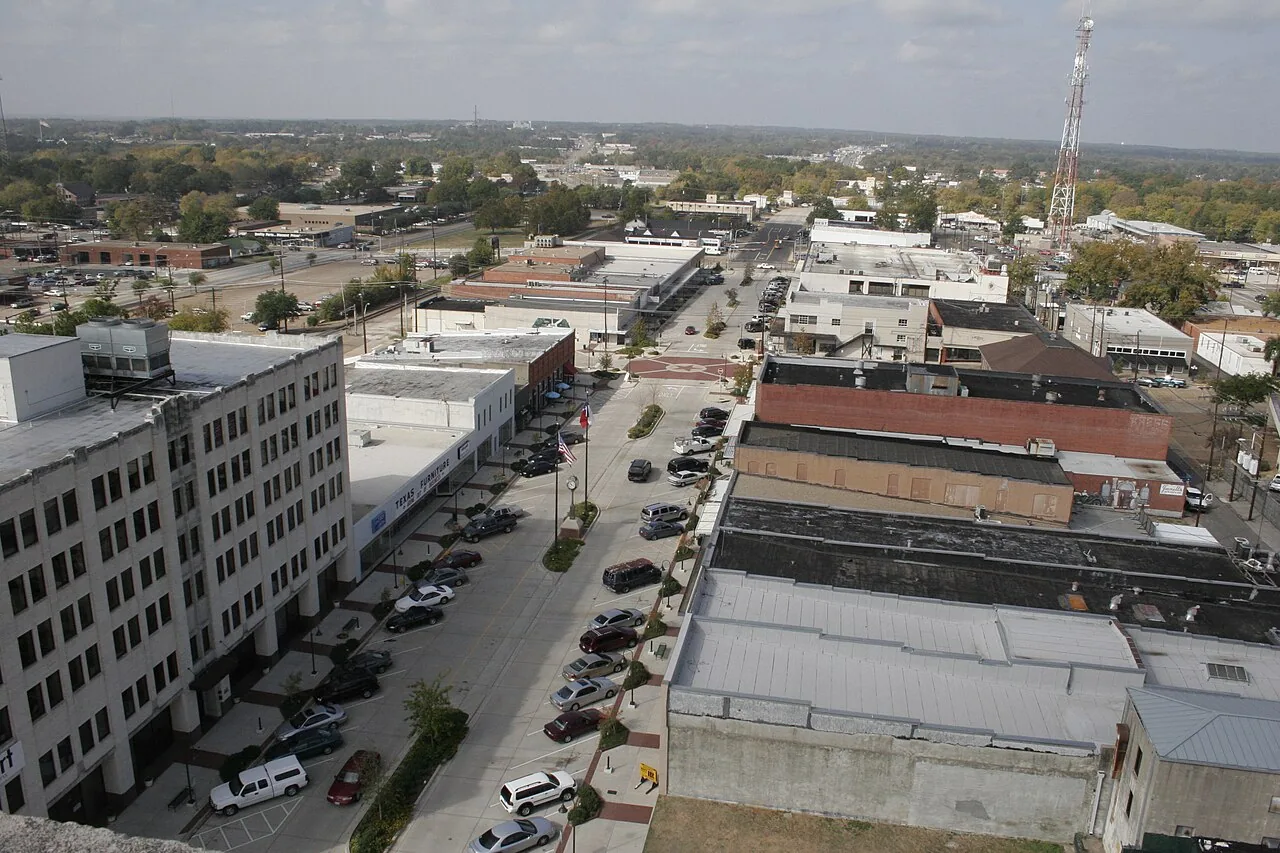
Commercial roofs in Longview sit in a city served by two east-west routes, Interstate 20 and U.S. 80, with building work shaped by industrial, healthcare, distribution, education, and retail operations. We repair and replace low-slope and metal systems, inspect active leaks, and plan work around roof access and the building schedule. Longview is also the Gregg County seat, so the commercial mix includes public facilities as well as private properties. Each roof still needs its own field inspection before a scope is set.
Longview summers bring sustained heat, and seasonal storms can put seams, edges, and drainage details under pressure. A useful first visit follows water from the reported area across the roof zone rather than treating the interior stain as the boundary. We document the membrane, curbs, drains, and previous repairs, then explain what is confirmed, what needs testing, and whether a localized repair can reach sound material.
Start with the building and the roof zone
Before climbing, confirm the property address, roof plan, access route, recent service history, and the interior location where water was reported. Mark the building section and identify equipment or tenant limits that could restrict the walk. On the roof, check visible seams, edge metal, flashing, drains, penetrations, and prior patches around the affected zone. If the roof includes an addition or a separate system, label it rather than combining it with the main field.
Longview routes commercial plan review through its Building Inspection Division. If a roof scope changes drainage layout, equipment supports, or the assembly, the owner and design professional should confirm what review applies before construction. Our inspection supplies field observations, photographs, and a repair boundary. It does not replace design or municipal decisions. A commercial roof inspection can establish that baseline, while condition reporting keeps findings tied to specific zones.
Trace leaks through the drainage path
Water may travel along a deck or insulation joint before appearing indoors, so we compare the ceiling report with roof slope and nearby details. Check curb corners, wall transitions, drain bowls, seams, and locations where another trade worked. A visible defect is recorded separately from a suspected route. If more than one detail could admit water, describe the test or follow-up needed to distinguish them rather than widening the repair without evidence.
Longview’s summer heat and humid conditions affect roof surfaces, while storms can load drainage routes quickly. A clogged outlet, displaced edge, or open flashing lap can require different work. Leak tracing and repair follows the active report; drain and scupper service checks the outlet detail. Where concealed moisture is a concern, an infrared survey can help select an opening, but only a suitable verification establishes the condition below the membrane.
Choose repair, testing, or renewal from evidence
A localized repair may fit when the failure is confined, the surrounding surface is attached, and the tie-in can reach compatible material. If wet insulation, damaged cover board, or a deteriorated deck appears, show the finding and the added boundary before closing the roof. Widespread seam failure, repeated wet areas, or an assembly that cannot accept a reliable tie-in may point toward a larger renewal scope. We explain the repair and replacement paths with the evidence behind each one.
Longview’s business-park inventory includes light-industrial, heavy-commercial, and aviation-oriented sites. Access, equipment, and loading operations influence staging and timing. We confirm each roof type from its building records and field inspection. A replacement evaluation should distinguish measured quantities from allowances, and a recover assessment needs evidence about moisture, attachment, drainage, and added load. We identify the building section and conditions that could change the recommendation.
When a roof sits above a high-traffic work area, agree on the interior protection before opening the assembly. Set a stop point for the inspection if the first test shows a larger wet area, and give the facility lead a chance to review photographs before added work begins. This is especially useful where shipping, patient care, or classroom schedules make an unexpected closure difficult. The scope should identify which operations the crew must keep clear while the repair is underway.
Plan the work around active operations
Longview properties may run production lines, distribution docks, clinics, classrooms, offices, or public services while roof work proceeds. Before mobilization, identify safe staging, delivery routes, access restrictions, shutdown windows, and areas that need interior protection. We phase removal so the open area can be secured at a stable stopping point. If rain interrupts the work, the superintendent and facility contact need a clear temporary-cover plan and a direct way to coordinate.
Interstate 20 and U.S. 80 both cross Longview from east to west. Their presence helps orient a service request, but neither route determines roof access at an individual property. For buildings near the I-20 corridor or US 80 and Marshall Avenue, we still confirm the site’s own delivery, lift, and roof-entry plan before scheduling materials.
Keep the repair record tied to the property
Closeout identifies the roof zone, materials used, surface preparation, work boundary, photographs, and any field test completed. If the crew opened the assembly, record what was visible and whether the opening was restored before departure. List inaccessible areas and unresolved questions separately. The facility team can then compare a later leak report with the exact seam, curb, drain, or edge that was serviced instead of relying on a short ticket that says only “roof repair.”
For a portfolio spanning Longview Business Park and Downtown, maintain a separate map and service history for each property. Longview’s commercial development includes manufacturing and distribution employers as well as healthcare, education, and retail. The work record should reflect the actual building and its operating limits. A roof asset record can preserve that history, and scheduled maintenance can revisit repaired details before a small issue reaches the interior.
Prepare the information for a site visit
Send the roof plan, active leak locations, prior invoices, system papers, warranty, and any access rules. Identify who can approve a test opening, coordinate rooftop equipment, or arrange an escort. If a tenant or production area cannot be interrupted, state that when requesting service. Emergency response is available around the clock, all week and on holidays; the first call should still include the safest route to the roof and a way to protect the interior.
We will inspect the reported zone, document the surrounding assembly, and return a scope that separates confirmed work from testing or design questions. The property owner receives the repair boundary, supporting photos, and any next action that could change the recommendation. That keeps the decision tied to the building’s own roof rather than a general assumption about a district or property type.
Commercial Roofing Questions
Can you inspect a leak anywhere in Longview?
Yes. We schedule commercial roof inspections and repair visits across Longview, with access and operating limits confirmed for the property before dispatch.
Do you handle roofs near I-20 and US 80?
We work throughout the city, including properties near those corridors. The service plan is based on the building’s roof plan, access route, and reported condition.
Will an inspection tell me whether to repair or replace?
The report separates localized failure from broader assembly concerns, notes what is confirmed, and identifies any test that could change the scope.
Can roof work be coordinated with tenants or production?
We can phase work around the facility schedule, access rules, deliveries, and areas needing protection. Share those limits before the visit so the crew can plan a safe sequence.