
Commercial Roofing in the South Eastman Road Corridor, Longview, TX
South Eastman Road Corridor
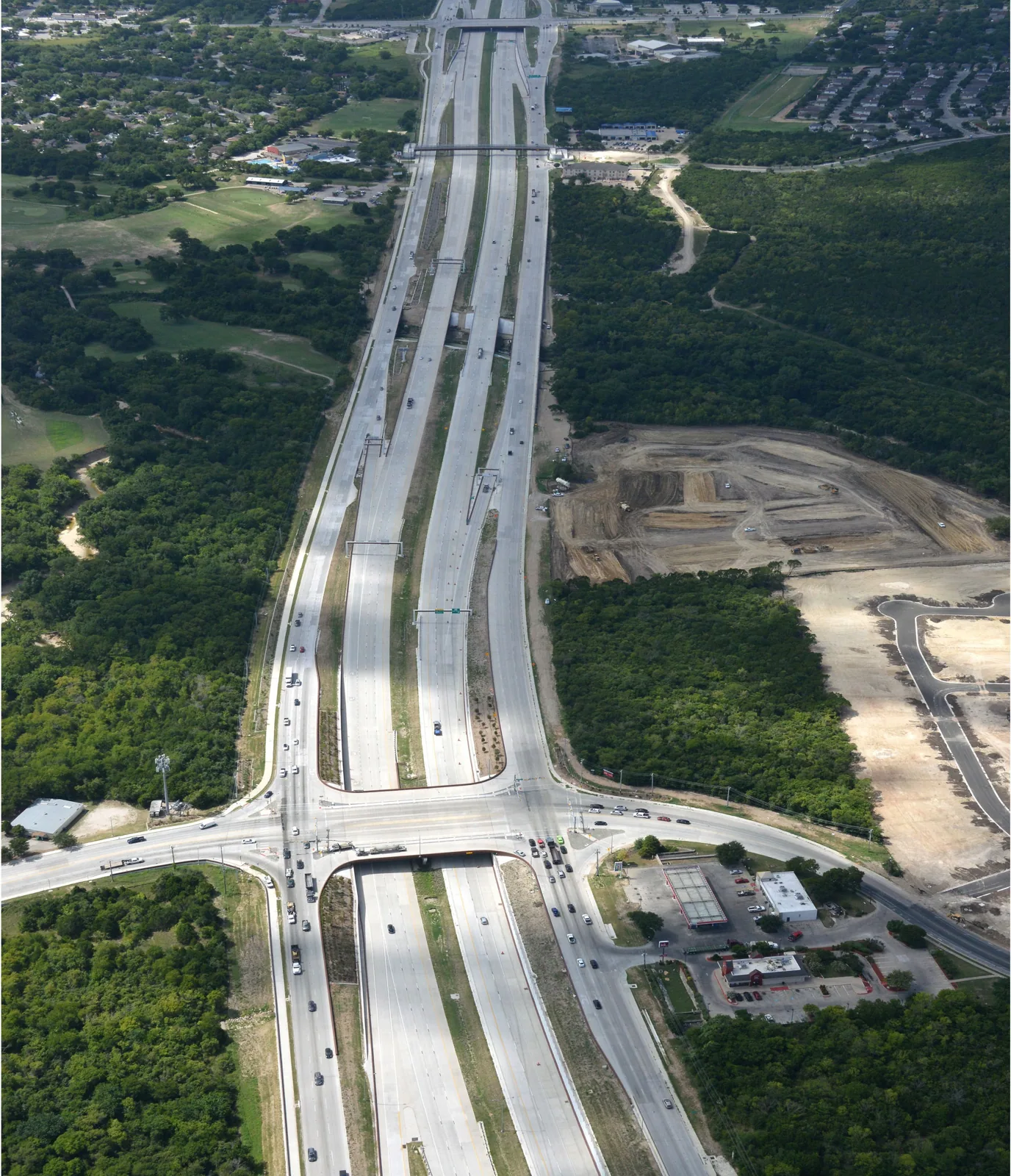
Across the South Eastman Road corridor, commercial roof work has to fit an active south-city setting and the property’s own access plan. South Eastman Road is one of Longview’s named South Longview commercial corridors, alongside Estes Parkway and the I-20 southern gateway. We inspect each building’s roof, follow the reported water path, and plan repair or replacement around tenants, equipment, and operating hours.
Longview’s July normal high is about 94 degrees. After reported hail or tornado impact, we check drainage, flashing, and edge details at the affected property. We check visible conditions at the property, document any previous repair, and state what remains concealed. If the evidence supports a localized fix, the scope defines its limit. If it points toward testing or a broader project, the owner sees what additional information is needed before making that decision.
Identify the building section and access route
Before the visit, request the roof plan, service history, system documents, interior leak location, and any rule for roof access. Confirm where a lift or materials can be staged and which entrance must remain open. At the roof, label the section reached, check nearby seams and transitions, and note any equipment that blocks the view. If an addition or tenant area has a separate roof phase, record it separately instead of carrying one description across the whole property.
For site improvements near the corridor, we coordinate roof access and material staging with the property contact. Before adjacent site improvements begin, we inspect the roof and set a repair boundary from field evidence. A commercial roof inspection can establish the visible condition, while condition documentation can keep the baseline tied to a roof zone. The property contact should identify who can authorize an opening if the condition cannot be confirmed from the surface.
Follow the water path around roof transitions
Start from the interior report, then check roof slope, drains, flashing, equipment curbs, and prior patches along the likely route. Water can move beneath the surface before appearing indoors. The inspection therefore records the reported symptom, the visible defect, and any possible entry that needs a test as separate items. If a wall or equipment detail interrupts the route, note whether the inspection could reach the full transition or whether another trade must provide access.
Before work begins, we map the building and roof zone and identify the access route for the inspection. A leak repair visit can investigate the reported path, and drain service can inspect outlets near the affected zone. If a recent storm preceded the call, we document the date and observed damage but do not assign a cause without evidence at the roof.
End repairs where compatible material remains
A repair should reach stable, attached material and include enough preparation to make the tie-in. Check for coating, contamination, sealant, wet insulation, or a prior patch that crosses the intended boundary. If an opening confirms damage beneath the membrane, show the owner what is exposed and agree on the changed limit before extending the work. The scope separates a measured repair from any allowance that depends on concealed conditions.
For a property near an active road corridor, the crew also plans for safe delivery and a protected work zone at grade. A perimeter-detail visit can address loose edge metal, and scheduled upkeep can log drains and repairs before the next storm season. If the roof has repeated failures across multiple sections, compare the cost and disruption of selective work with a full renewal plan rather than treating every leak as a separate event.
For a multi-tenant property, show the roof zone and the suite below it on the work map, but keep tenant identities out of public roof plans. The property manager can match the private work order to the roof label. This keeps future repairs traceable without putting lease or customer information into a maintenance document that may circulate among trades.
Coordinate renewal with corridor improvements
The property manager can schedule separate inspections for each building and maintain distinct roof records. When a property owner is coordinating a façade or access project in this area, roofing work should be sequenced before new equipment, signs, or site features limit the route. Identify which contractor controls each penetration and how a new curb will be flashed. We can phase removal and temporary protection around the building schedule while preserving a clear stop point if weather changes.
When an owner also schedules work on Estes Parkway or in the I-20 corridor, we plan each visit with its own property records, access, and work limits. Use separate property files even when projects share one regional schedule. If proposed work alters drainage, structure, or the roof system, Longview’s Building Inspection Division and the owner’s design professional can confirm whether commercial plan review is required.
Return a roof record the next manager can use
Document the section and roof-zone label, what records were checked, materials and preparation, repair dimensions, photographs, and any field test. Note if a room or roof area remained inaccessible and what would be required to inspect it. That makes a service record useful when the owner reviews a future leak call or capital request. Keep each building’s warranty, repairs, and photos under the same property file rather than collecting corridor work in a single undifferentiated folder.
The facility contact identifies tenant access, delivery windows, and operating constraints for the property under review. A roof asset record can preserve each property's history. Owners with buildings across the Longview commercial service area can compare schedules while retaining a separate record for each roof. Decisions follow the visited building's roof and its own documentation.
Set an inspection window that works for the property
Send roof plans, system papers, warranty information, prior repair tickets, active leak locations, and site rules before dispatch. Tell us how the crew reaches the roof and whether deliveries, customer access, or tenant activities set limits. Name the person who can approve a test opening or arrange interior protection. Emergency roof response is available at any hour, all week and on holidays; safe access and an owner contact help the crew act quickly.
We will inspect the accessible section, document the likely water path, and return a repair boundary with supporting photographs. If the next decision depends on testing or design review, the report will identify that item clearly. The property team can then choose an evidence-based repair, monitor plan, or renewal sequence.
Longview reviews commercial building plans under its adopted codes. A project that changes the roof system or drainage may need coordination with the City and the design professional. The roofer can document existing details and the proposed scope, but the owner confirms the required submittals. Keep any approved plan with the roof record so closeout can be compared with the design.
Commercial Roofing Questions
Do you provide roof repair along South Eastman Road?
Yes. We service commercial properties in the corridor and confirm access, operations, and roof records for each building before setting the work plan.
Does the corridor plan establish a roof problem?
No. It provides context for local development. We inspect the actual assembly and document the condition at the property.
Can you schedule around site or façade work?
We coordinate staging, penetrations, and roof access with the property contact and other trades so the repair is not disturbed by adjacent work.
What should the maintenance file include?
Keep the roof plan, warranty, service history, zone labels, repair photos, quantities, and any test results together for future decisions.