
Commercial Roofing in South Longview / LeTourneau Area, Longview, TX
South Longview / LeTourneau Area
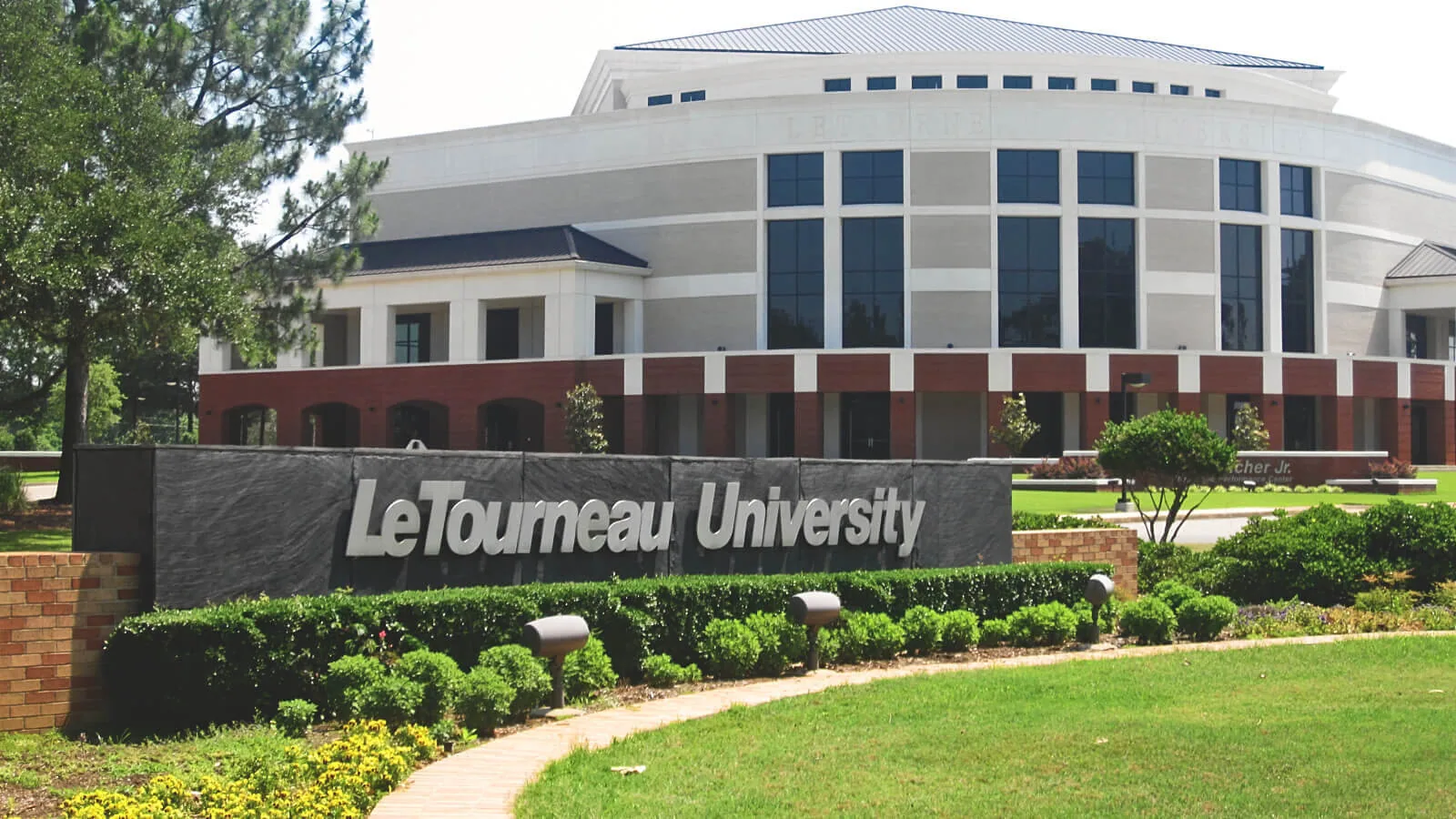
South Longview roof service covers the I-20 gateway and commercial areas near LeTourneau University. We inspect the affected building and identify the roof zone before planning work. Longview's I-20 corridor is a southern gateway, with Estes Parkway and South Eastman Road among the city's commercial corridors. We inspect the property’s actual roof, document the reported condition, and plan work around the building’s access and operations. We identify the installed system from the property’s roof records and field inspection before selecting a repair method.
Longview's July normal high is near 94 degrees, and a tornado track reached the city in 2008. We inspect drainage, flashing, edges, and equipment transitions after a reported impact. A field visit records what can be seen and identifies what needs testing before the owner chooses repair or renewal. For a property near LeTourneau or another South Longview commercial area, we map the building and roof zone and identify access and operating limits before work.
Start with the building, not the district name
Before visiting, collect the roof plan, warranty, system documents, service history, access rules, and the indoor leak location. Identify the building section, gate, and any operation that limits access. On the roof, inspect seams, perimeter transitions, curbs, drains, penetrations, and previous patches in the reported zone. If an addition or different construction phase appears, label it separately rather than assuming the entire roof shares one assembly.
Redevelopment near LeTourneau University is part of the I-20 corridor context. Roof decisions follow the inspected building, its plan, and field conditions. A commercial inspection establishes field evidence, while condition reporting ties findings to a zone and date. If a test opening would answer a repair question, document the proposed location and restoration before asking the owner to approve the work.
Coordinate work with South Longview operations
South Longview includes the I-20 gateway and economic-development corridors along Estes Parkway and South Eastman Road. At an occupied property, confirm which entrance can remain open, where a lift can stage, and whether deliveries or customer traffic restrict the work window. The site contact should identify who can approve equipment shutdown or interior protection. We can phase work around those limits, but the plan needs a safe route and a known decision-maker before materials are moved.
For an active leak, emergency response is available at any hour, all week and on holidays. A rapid roof response can control water while the crew evaluates the larger condition. For scheduled work, occupied-building reroofing can define daily zones and temporary closure points. The property manager should tell tenants and operations staff which area is affected and when a follow-up inspection will occur.
Follow the leak from the report to the roof detail
Note when water appeared and which interior area was affected, then inspect the roof above and around the likely path. Check drains, curb corners, seams, wall flashings, and previous repairs. The indoor stain may not align with the entry, especially where water travels below the membrane. We document a confirmed opening separately from a suspected route and identify whether a test is needed to distinguish possible sources.
Longview's hot summers affect surface conditions. After a reported weather event, we document the building's observed damage and the date of the interior report. A leak repair visit follows the field evidence, while a outlet review examines outlets and scuppers near the reported zone. If moisture beneath the roof is suspected, use a marked test area and record the confirmation before describing the material as wet.
Choose a repair boundary the owner can verify
A local repair can make sense when damage is confined and the surrounding surface is stable enough for a compatible tie-in. If an opening reveals wet insulation, soft cover board, or a damaged deck, photograph the finding and pause before extending the scope. The work order should distinguish measured quantities from concealed-condition allowances. The owner can compare a patch with selective replacement or renewal based on the verified area and what another test could reveal.
If a South Longview property is changing its façade or rooftop equipment, coordinate penetrations and flashing before adjacent work restricts roof access. A replacement plan should include temporary dry-in, equipment coordination, and closeout; a substrate and adhesion review starts by checking the substrate and adhesion conditions. Neither option should be selected from the district’s redevelopment status alone.
Before lifting equipment or removing a curb, identify who controls the unit and who will restore the roof opening. Mark temporary tie-ins on the plan each day. If work pauses for a weather change, the project lead should inspect the closure and tell the facility contact what remains exposed or protected. A concise daily handoff helps owners coordinate roofing with mechanical or redevelopment work.
Keep neighboring corridor files separate
Estes Parkway and South Eastman Road are commercial corridors in South Longview. A manager working across both should keep one roof map, warranty set, and service history per property. When area improvements coincide with roofing work, the property owner can coordinate timing while we keep each building's roof map and repair scope distinct. Site-specific inspection records are the basis for technical recommendations.
For a property on Estes Parkway or South Eastman Road, send the roof plan and access contact with the service request. The I-20 corridor is another broad service area, with access and work planning set by each property. For additional properties, owners can request commercial roof service in Longview, with a separate inspection and closeout record for each building.
Keep the roof history with the site plan
Closeout records the building and zone label, materials, preparation, photos, repair limits, tests, and any deferred access. If a roof opening was made, note what was visible and how the surface was restored. A later service crew can use that map to revisit the same curb, drain, or seam. This is especially useful where ownership or tenant use changes while redevelopment continues in the surrounding area.
City building review is handled by Longview’s Building Inspection Division. If the roofing project changes drainage, the assembly, or equipment, the owner and design professional confirm whether plan review applies. A roof asset record can preserve drawings, warranties, and service photographs with the correct property.
Prepare for a focused roof visit
Send the roof plan, recent leak tickets, product and warranty documents, previous repairs, access rules, and any construction schedule that could affect the roof. Identify who can approve testing, arrange a lift, and protect the interior. If the work is near an occupied entrance or active delivery route, note the preferred hours. Emergency coverage is available day and night, including holidays; the service contact still needs a safe route to the roof.
We will inspect the accessible section, document the reported condition, and return a repair or renewal scope tied to the evidence. If a test or design question remains, the report will identify it and explain what decision depends on it. The property owner can approve a defined next step without treating the district plan as a roof diagnosis.
Commercial Roofing Questions
Do you serve commercial properties throughout South Longview?
Commercial properties throughout South Longview are within our service area, including the I-20 gateway and nearby business corridors. We plan each inspection around the building’s access and operating needs.
Can you service a property near the I-20 gateway?
Yes. We confirm the site’s access, work hours, and roof records before scheduling an inspection or repair.
Can one owner coordinate service across several South Longview buildings?
A portfolio contact can schedule several properties together while we maintain a separate roof map, inspection record, and service history for each building.
What if the first visit cannot confirm concealed moisture?
We identify the area that needs testing and describe what the test would establish before asking the owner to approve an opening.