
Commercial Roof Repair in Longview, TX
Commercial Roof Repair
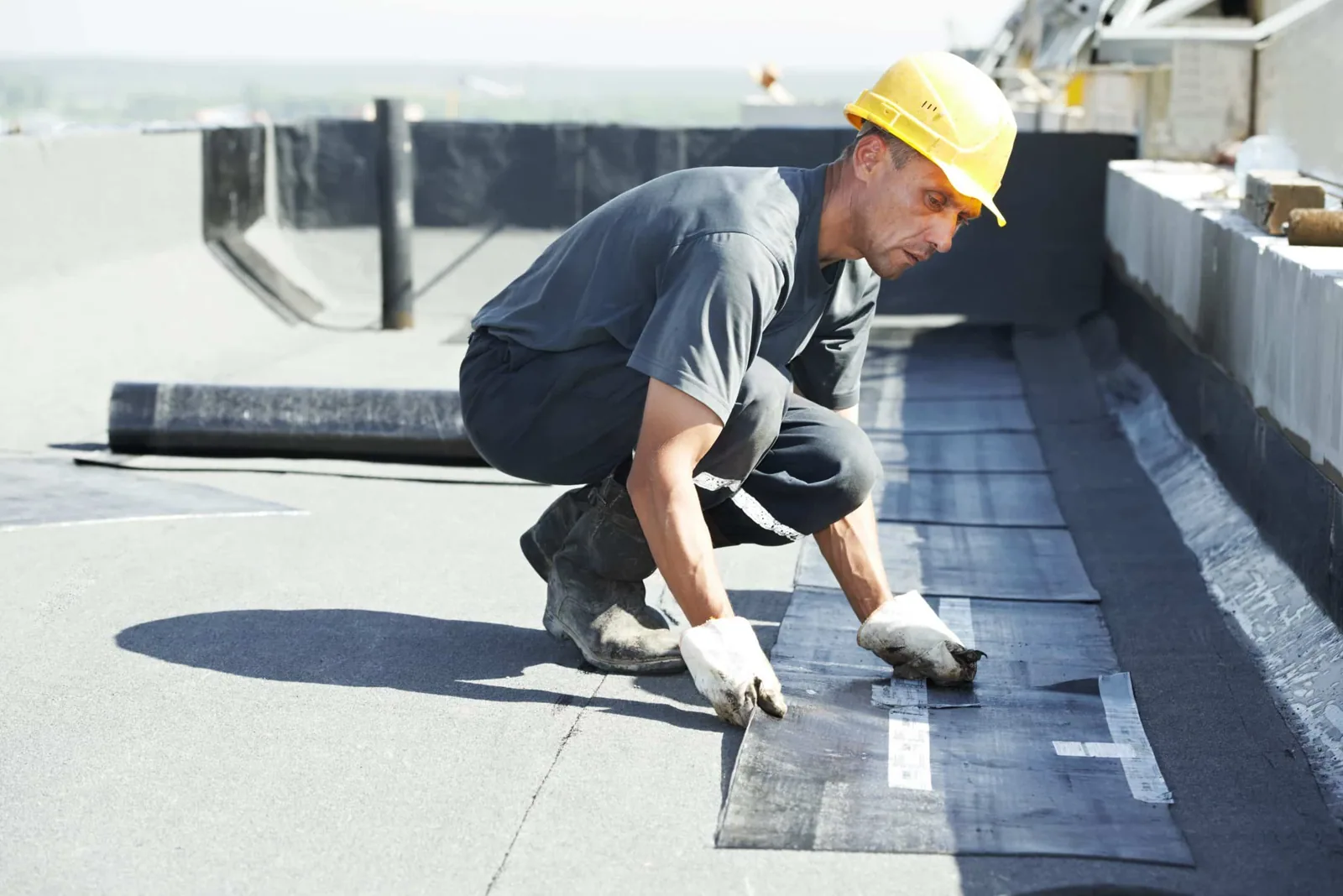
A roof repair should end at a known cause, not at the first patch that holds for a week. We trace the leak or visible failure, inspect surrounding membrane and attachment, then define a boundary that reaches sound material. Seams, penetrations, edge metal, drains, and previous repairs can create different failure paths. A reliable scope says what failed, what preparation is required, and how the finished detail will shed water.
Longview properties have different access and operating constraints. A production roof near the US 259 and I-20 network may need delivery coordination, while a Downtown Longview office may need quiet access and interior protection. We inspect by roof zone, photograph the condition, confirm compatible materials, and tie the repair record to the roof plan.
Find the point where water enters
Interior staining is a clue, not a map of the exterior opening. Water may travel along a deck, insulation joint, curb, or framing before it appears indoors. We compare the stain with roof slope, seams, penetrations, drains, and nearby patches, then check other plausible paths when the first candidate is uncertain. We look for splits, open laps, punctures, loose terminations, failed sealant, and movement at transitions. A hands-on roof inspection can document a broader condition when the leak is intermittent or difficult to access.
Longview's humid weather and seasonal storms can leave more than one wet area after a roof event. We distinguish active entry from old staining by checking material condition, moisture patterns, and recent repairs. When a large section may be involved, an infrared moisture survey can focus test openings. We confirm suspect locations before assigning a repair quantity and explain whether evidence supports a detail repair or wider investigation.
Repair the failed detail, not just the symptom
Membrane repairs need clean, dry, compatible surfaces and dimensions that extend beyond the damaged point. We remove loose material, prepare the existing roof as the system requires, and install a repair that secures into sound membrane or substrate. For a seam, we check the adjoining weld or adhesive bond rather than cover an open edge with a surface bead. At a curb, pipe, skylight, or duct, the flashing must accommodate movement and terminate above the drainage plane. The selected method depends on the existing system and the condition found at the roof.
Edges need equal attention. A loose coping joint or failed perimeter termination can admit water behind otherwise intact field membrane. Edge metal and coping repairs should address attachment, laps, corners, and transitions into wall flashing. At drains and scuppers, debris removal alone is not a permanent repair if the clamping ring, bowl, or surrounding membrane has failed. We document each repaired detail so maintenance staff can distinguish a corrected defect from a location that remains under observation.
Match repair materials to the roof system
A repair compound that adheres to one membrane can damage or release from another. We identify the roof system and prior repair materials before selecting a patch, flashing, primer, or sealant. Heat-welded membranes require compatible sheet material and seam preparation; EPDM repairs use their own cleaners, primers, tapes, and flashing. Coatings and mastics may also affect later repairs if they are applied over an incompatible surface. When the system cannot be identified from records or exposed edges, we inspect a sample area and state what remains uncertain.
The Longview summer climate puts repeated heat on exposed roof surfaces, but a repair still needs to match the particular roof and its movement. We look for aged membrane, loose reinforcement, trapped moisture, and transitions that have shifted. If the surrounding material no longer provides a sound bond, a small patch may not be the right correction. We explain whether replacement of a wider section, a new flashing assembly, or a separate coating restoration evaluation is justified by the field condition.
Check drainage around the repair
Water standing near a defect can prolong exposure and make a repaired seam work harder. We inspect the nearby slope, drain opening, scupper, overflow, and any settled area that directs runoff toward the failure. A drain and scupper repair may be needed when a loose ring, damaged bowl, or obstructed outlet is part of the problem. If water is moving slowly because of insulation settlement or roof geometry, we record that condition separately so the owner can decide whether a slope correction belongs in the current scope.
Longview adopted the 2021 International Building Code and 2015 International Energy Conservation Code for building review. When repair scope grows into replacement or changes an assembly, applicable requirements and plan review can affect the work. We identify the difference between a localized repair and a larger roof alteration, then confirm the project's review needs with the owner. That distinction prevents a repair proposal from implying that a patch resolves drainage, structural, or code questions beyond its limits.
Protect occupants and active operations
Repair work can involve noise, rooftop traffic, odor, or a temporary change to equipment access. Before mobilization, we identify occupied rooms below the repair, roof access points, loading routes, and equipment that must remain available. Longview industrial properties may rely on specific delivery windows; downtown offices and retail buildings may need entrances kept clear throughout the day. We set a work boundary, control debris, and coordinate any temporary protection below the active area. If rain is possible, the daily repair limit leaves the opened section secure before crews leave.
For a multi-building portfolio, a multi-site roof program can help track repeated leak calls and prioritize repairs by building and roof zone. We record what was repaired, what material was installed, and any area that needs follow-up. A roof condition report can separate immediate defects from planned maintenance so managers do not confuse a completed repair with a full roof renewal.
Leave a repair record the next crew can use
At completion, we photograph the finished repair and its surrounding details, identify the roof zone, and note materials and preparation. If the opening exposed wet insulation, a damaged deck, or a larger area of failed membrane, the record identifies the additional condition and whether it was included in the approved scope. This gives the owner a clear distinction between work completed and a finding that still needs a decision. The record also helps the next inspection focus on the repair boundary rather than repeat the original search.
In Longview, send the leak location, interior photos, roof plans, prior repair notes, and access constraints. We will investigate the reported area and explain the correction supported by the field evidence. If the repair is temporary, we state its limits and the permanent work needed. If it is complete, the closeout record shows what was corrected and when the area should be checked again.
Commercial Roofing Questions
Can a roof leak be repaired from the interior?
Interior protection can reduce damage below, but a lasting roof repair usually requires correcting the exterior entry path. We trace the stain toward likely seams, penetrations, edges, and drains, then confirm the failed detail before selecting a repair.
Do you repair all commercial roof membrane types?
We inspect the existing system first because each membrane uses different preparation and compatible flashing materials. The repair method follows the membrane, attachment, and surface condition found on the roof.
When is a patch not enough?
A wider repair may be needed when moisture extends beyond the visible opening, the substrate is weak, the surrounding membrane cannot hold a bond, or multiple details have failed. We document those limits before expanding the scope.
Will you provide photos and a written record?
Yes. The closeout can identify the roof zone, observed cause, materials, completed correction, and any follow-up item. Photos help the facility team connect the report to the roof plan.