Commercial Roofing for Manufacturers in Longview, TX
Manufacturers
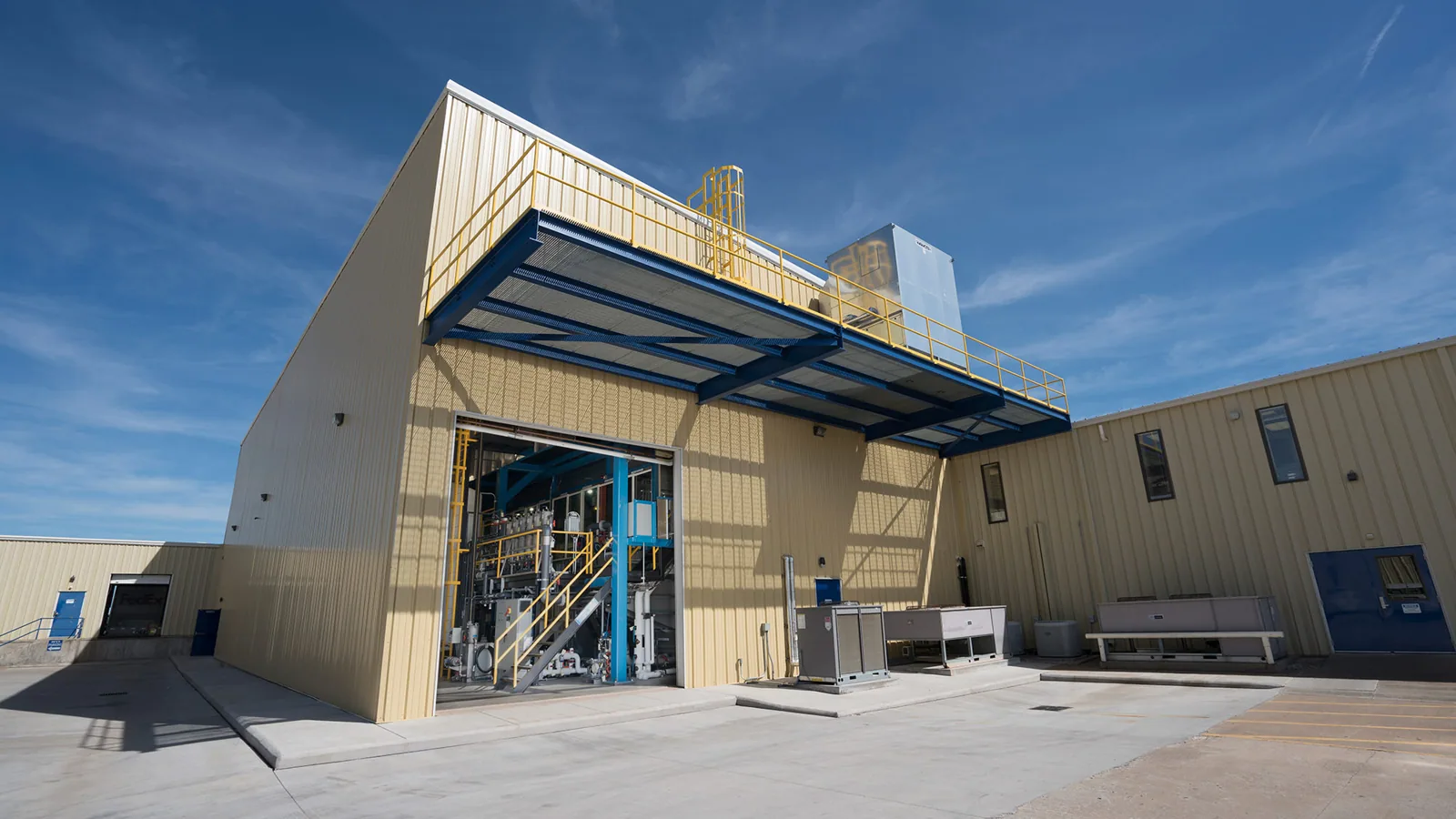
A production leak has two costs: the water path through the roof assembly and the interruption below it. We locate the roof zone, check seams and penetrations, and define what can be repaired without moving equipment or stopping a line. A ceiling mark alone does not set the repair boundary. The inspection has to connect the interior report to the exterior condition, identify any wet insulation, and show what evidence supports the work.
Longview Business Park sits near US 259 and I-20, while North Business Park has access from FM 2275 and George Ritchie Road. Bar-K Business Park fronts US 80 farther from the interstate. These separate industrial settings reflect the region's manufacturing base; they do not tell us what assembly or condition any one plant has. We verify the building drawings, production hours, lift access, and safety controls at the property before recommending a sequence.
Keep the work boundary outside active production
Before a crew reaches the roof, the plant contact identifies operating lines, pedestrian routes, loading areas, and any process that cannot tolerate dust, vibration, or an overhead opening. We use those constraints to set a work zone and schedule. If the leak is above a production cell, the owner determines whether that area must be cleared, isolated, or protected before roofing starts. The scope names who authorizes access, where material may be staged, and how the roof is made watertight at the end of each shift.
Manufacturing work also involves several maintenance and safety roles. The roofing supervisor coordinates the tie-in and repair method; plant staff control access to process equipment, electrical rooms, and restricted spaces. A phased roof-work sequence can limit disruption when the building remains active. When shipping and production roofs sit within one operating portfolio, our logistics roof coordination approach keeps loading constraints visible while preserving each building's own record.
Inspect the details around process equipment
Exhaust stacks, make-up air units, conduit, pipe supports, and process vents create many roof transitions. We examine the base flashing, counterflashing, fasteners, curb corners, and membrane condition around each opening. If a unit moves or vibrates, we look for stress at the curb and at nearby seams. Water below equipment can come from a roof transition, condensation, a pipe leak, or an interior drain. We trace the report and inspect the curb, nearby seams, and interior piping before assigning a cause.
Longview's July normal high is near 94 degrees. During roof work, we check actual surface conditions and secure any temporary opening before the crew leaves. The crew plans shade, hydration, material handling, and a reliable end-of-day tie-in. A curb and support scope addresses the roof interface while plant trades retain control of equipment shutdown and startup. If membrane selection is part of a larger project, compare TPO assembly details with standing-seam metal details against the actual deck, drainage, and operating needs.
Trace water before opening the roof
Water can travel along a deck flute, insulation joint, conduit support, or structural member before it reaches a ceiling. We compare the interior location with the roof slope, seams, penetrations, drains, and prior repairs. The Diligence Notes separates a confirmed entry point from an area that needs a test cut. When moisture is suspected beneath the membrane, a small controlled opening can answer a different question than a surface patch. The owner sees which step is supported and which remains an option.
Outlets, gutters, scuppers, and overflow paths matter around wide industrial roof areas. We inspect whether water can reach the primary drain, whether debris is restricting the inlet, and whether the overflow route is clear. Longview has documented hail and tornado events. At the plant, we inspect the drainage path and document its condition before including repair work. A drainage correction visit can address a failed outlet or flashing after inspection. We map each finding to a roof zone so a maintenance team can prioritize by consequence instead of treating the entire plant as one condition.
Separate a targeted repair from a capital project
A local repair makes sense when the surrounding membrane remains sound, the insulation is dry enough to retain, and the proposed tie-in can attach to stable material. If deterioration appears in several zones, repeated patches may conceal a broader issue. We record each opening, the deck or insulation observed, repair limits, and any area not tested. The manufacturer and system requirements guide material compatibility; a new patch should not bridge assemblies that cannot form a durable tie-in.
Longview's Building Inspection Division reviews commercial plans under the City's adopted codes. When a manufacturer or design change alters the roof assembly, the facility's project team should confirm plan-review requirements and electrical or mechanical coordination before scheduling construction. We can prepare condition observations for the decision but do not replace code review. For a portfolio decision, capital planning records can group verified work by risk, operating window, and budget year. A replacement evaluation is appropriate when field findings extend beyond a sound repair boundary. If ownership must compare plant upgrades with other real-estate needs, a portfolio investor review can translate confirmed roof scope into a capital discussion without treating an estimate as a final project budget. We can note access dependencies and sequencing options while the owner confirms engineering, permits, and production plans.
Return a record the plant team can use
Closeout should help the next maintenance call start with evidence. We record the plant and roof-zone identifier, assembly observed, repair materials, before-and-after photographs, test results, and limits of the inspection. If another trade must restore a fan, conduit support, or exhaust component, the handoff names that responsibility. The report also notes whether a temporary measure remains and when it should be checked. A map tied to the plant's own roof plan is more useful than a generic statement that the leak was fixed. Include the photographs and repair limits in the work-order system so a night-shift supervisor can confirm what was completed without reopening the investigation.
For manufacturers in Longview Business Park and other Longview industrial districts, provide roof plans, safety requirements, process-hour restrictions, known leak reports, and lift or staging rules before the visit. We return findings by zone and identify the next action that plant staff can approve. If the work touches a warranty, preserve the assembly information and repair record for the responsible system contact.
A multi-plant owner should keep each product and warranty record with the property it covers. Shared company purchasing does not mean the buildings use the same membrane or attachment. During service, we note the system evidence available at that address, identify later alterations, and keep photos tied to the correct roof map. A portfolio manager can compare repair needs while keeping each facility's installation details and warranty records with that building.
Commercial Roofing Questions
Can roof work happen while a production line is running?
Sometimes. The plant sets the operating boundary and access rules; we then plan the roof zone, material route, protection, and daily tie-in around the approved window.
How do you tell a roof leak from equipment condensation?
We compare the interior location with roof penetrations, seams, drains, and equipment conditions. If field evidence is inconclusive, we identify a controlled test that can distinguish the sources.
Will you open the roof to check wet insulation?
Only when the inspection question and plant controls support it. We identify the proposed location, protection plan, and what the opening would confirm before proceeding.
What should the plant send before an inspection?
Share roof drawings, leak locations, production restrictions, equipment shutdown rules, access contacts, and prior repair records so the visit can address a defined area.