
Commercial Roofing for Real Estate Investors in Longview, TX
Real Estate Investors
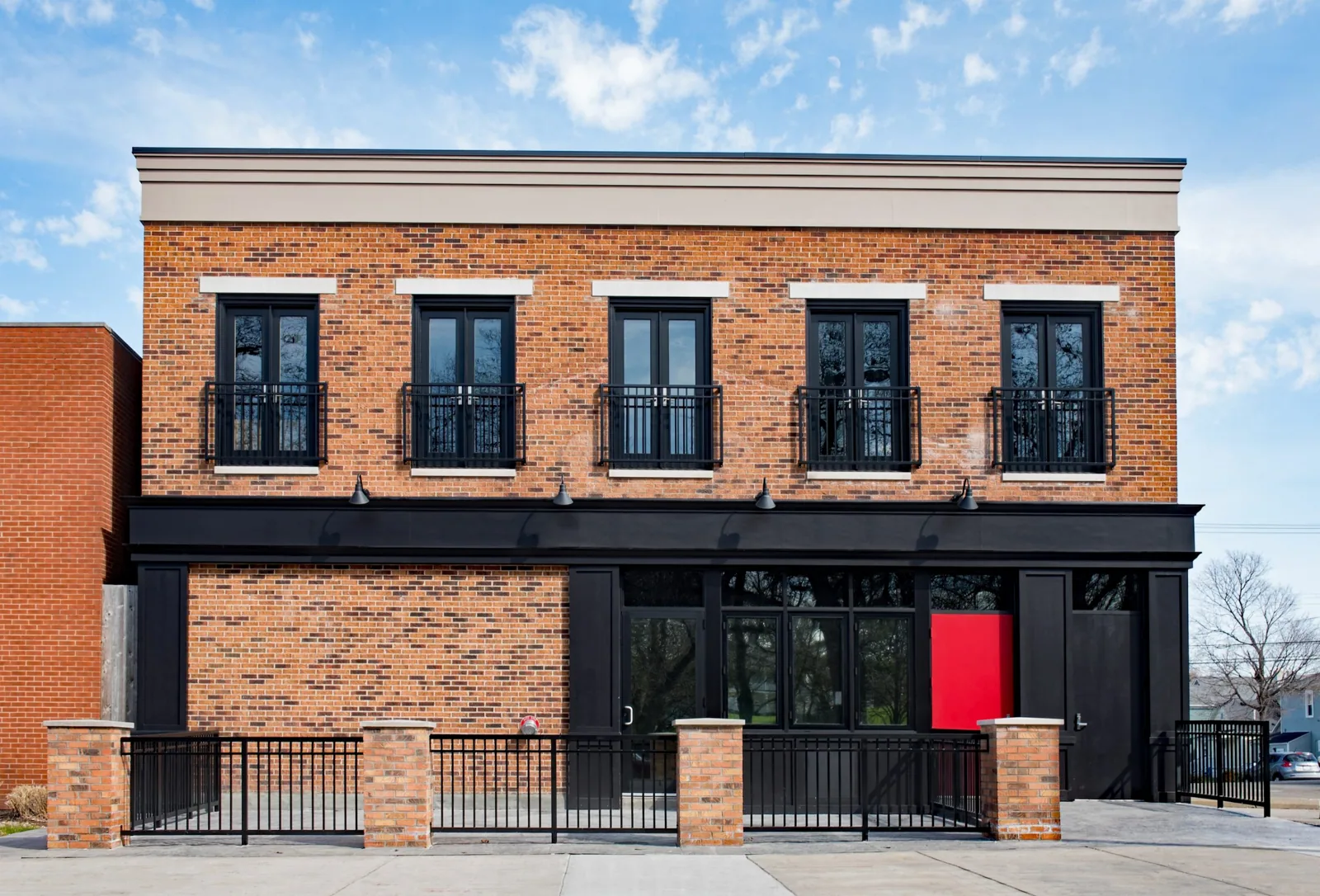
An acquisition file may list roof age and past invoices without showing whether water has reached insulation or deck. We inspect the assembly, map defects by roof zone, and separate confirmed conditions from items that need opening or testing. That gives an investor a field-based view before a reserve decision, refinancing, or tenant improvement. A roof number without its evidence can hide where the work begins and what the scope still excludes.
Longview Business Park is a 475-acre light-industrial property along US 259 near I-20, while Downtown Longview has a separate plan for reuse, offices, retail, housing, and infill. Investors can compare each asset's roof records, system, access, occupancy, and leak history before setting a repair or capital plan. We inspect the property and document current findings for that building.
Separate observed condition from seller records
We compare the roof walk with available plans, invoices, warranty papers, and leak reports. The inspection identifies membrane type, visible repairs, drainage, flashings, equipment curbs, and areas that were not accessible. When records conflict with field conditions, we note the difference rather than force the two into one assumption. If a concealed condition could change the repair, we identify the test opening needed to resolve it. Destructive testing is done only with owner authorization and a clear plan to restore the opening before the crew leaves.
For a property near Longview Business Park, site access and industrial operations may shape when the roof can be inspected. A Downtown office or retail asset brings a different tenant and staging schedule. We prepare findings specific to the building, not a standard score based on its submarket. A roof due-diligence survey can organize the field observations for an acquisition review and identify follow-up questions before closing.
Rank exposure by roof zone
One open seam over a tenant suite has a different effect from widespread wet insulation above a high-value area. We map each finding with location, material, observed extent, and recommended action. The report distinguishes immediate water control from preventive work and longer-term renewal. If moisture may extend beneath a roof field, test results are separated from visual observations so the investment committee can see what is known and what remains uncertain.
Longview properties range from downtown office and retail buildings to industrial assets near US 259 and I-20. For a multi-property holding, align roof walks with tenant access and delivery windows, then carry zone labels into the recurring service calendar. A moisture survey can help target direct testing before the asset team sets a reserve or replacement scope. Property-management roof records can keep each building's history organized.
Compare repair, recover, and replacement scopes
A repair can preserve value when the surrounding assembly is stable and the tie-in reaches sound material. Recover may fit only when the existing roof and deck meet the conditions needed for another layer. Tear-off may be necessary where moisture, attachment, or multiple prior repairs make a localized scope unreliable. We describe the visible evidence and the assumptions behind each option so the owner can compare work scope, tenant disruption, and schedule. Where information is missing, we identify a test or record request rather than bury an assumption in the base bid.
Longview's Building Inspection Division reviews commercial building and site plans under adopted codes. When the project changes a roof assembly, the owner and design team coordinate applicable review with the City. A replacement comparison can separate base work from alternates for concealed conditions. The financial review should consider drainage, insulation, edge metal, and equipment details that may be disturbed by the selected assembly. The owner can then compare initial scope, access costs, and disruption without treating the lowest first-phase number as the only decision factor.
Include tenant and operating constraints
A technically sound scope can still create a costly interruption if it ignores loading windows, public access, production schedules, or tenant occupancy. We identify lifts, material staging, interior protection, daily tie-ins, and work hours before proposing a sequence. If the building will be renovated or turned over, we coordinate roof access with the construction schedule and record the interface between roofing and other trades.
Longview's industrial sites and Downtown properties have different ways to stage equipment and protect tenants. A phased occupied-building plan can keep a portion of the asset in service where roof geometry allows. For holdings with active retail space, retail portfolio roof planning adds attention to storefront access and delivery timing, while the asset report retains the risk and scope for each individual building.
Connect findings to reserve timing
Reserve planning works better when repair cost drivers and timing are tied to observed roof conditions. We identify whether a finding calls for immediate patching, a maintenance visit, testing, or a capital replacement study. We do not state an unsupported service life or promise that one repair resets the entire roof. Instead, the report explains the condition, the recommended next step, and the evidence that would change the scope.
For assets near US 80/Marshall Avenue or within the I-20 corridor, traffic and site access can affect delivery and staging windows. Those routes are planning context, not a substitute for confirming the building's actual access. A capital roof plan can group projects by urgency and funding window. The investor can then compare roof work with lease renewal, financing, and planned improvements using documented findings.
Deliver evidence that follows the asset
Closeout includes roof-zone photos, materials, repaired details, test results, access limits, and open recommendations. We label each building and section so the next owner, manager, or lender can follow the record. Findings are stated in building terms rather than wrapped in a generic roof grade. If a condition needs confirmation, we identify the location and test that will resolve the question. Date each observation and repair separately so the transaction file does not confuse an older invoice with a current inspection.
For investment property in Longview, share roof drawings, past invoices, tenant schedules, acquisition questions, and planned improvements before inspection. We will return a condition summary that shows the repair boundary and the decisions that remain. The same record can support post-close maintenance without confusing a due-diligence observation with completed repair work.
For an acquisition or portfolio review, state the inspection date, areas reached, records available, and any condition hidden from view. Separate a current leak repair from a planned renewal and identify when a follow-up test could change the reserve. We do not convert a limited walk into a remaining-life promise. The asset team receives dated findings and a clear list of questions to resolve before comparing the roof with other properties.
Keep each assumption dated and tied to a named building section.
Commercial Roofing Questions
Can you inspect a roof before an acquisition closes?
Yes. We can review available records, inspect accessible roof zones, document visible conditions, and list any test opening that could change the scope before closing.
Will the report estimate remaining roof life?
We report observed materials, defects, prior repairs, and testing limits. Any service-life decision should be based on the assembly and evidence rather than an unsupported age estimate.
How are repair costs compared with replacement?
We separate a defined repair from recover or tear-off alternatives and identify the roof details each includes. That gives the owner a clearer basis for reserve planning.
Can findings be used across a portfolio?
Yes, with each property's assembly and zones kept distinct. A portfolio summary can rank risk while the underlying records remain tied to the asset inspected.