Commercial Roofing in the US 80 / Marshall Avenue Corridor, Longview, TX
US 80 / Marshall Avenue Corridor
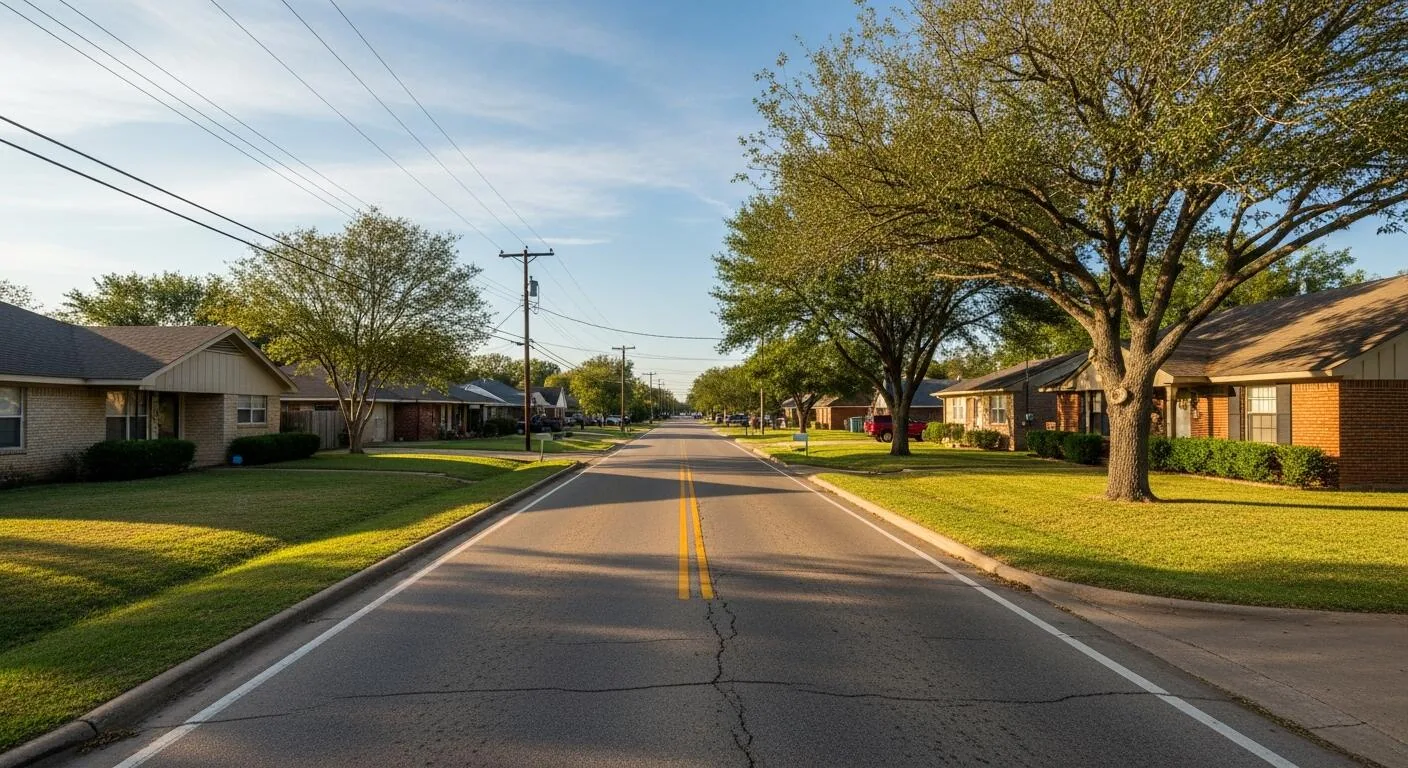
U.S. 80, also called Marshall Avenue, crosses Longview predominantly east to west and functions as an important commercial corridor. The City’s planning identifies streetscape, pedestrian features, and reinvestment needs along its eastern approach. Commercial roofs here may sit over varied business uses, so the property plan and field inspection must establish the actual assembly, access route, and repair boundary. We handle leaks, maintenance, flashing, replacement, and other low-slope or metal roof work without assuming that one corridor-wide condition applies to every building.
Longview’s Bar-K Business Park has direct frontage to US 80, roughly six miles from I-20. That broad area is one example of the commercial and industrial activity tied to the route, not a description of every roof along Marshall Avenue. We check the building records, seams, curbs, drains, and edges before choosing a repair. The scope can then account for loading, tenant access, and safe staging on the individual site.
Plan around the corridor and the property entrance
Confirm the roof hatch, parking or lift location, delivery route, and any pedestrian path the crew must keep open. The corridor’s planning calls for improved streetscape and pedestrian features on the eastern approach, so staging should be coordinated with the property manager and any active frontage. At the building, follow the planned access path and identify areas where equipment or tenant operations limit inspection. A safe approach is part of the visit plan, not an assumption based on a road name.
Share roof plans, prior invoices, warranty documents, and the exact interior area where water appeared. Mark separate additions or tenant sections before the walk so the report can identify the zone inspected. A commercial inspection can establish roof conditions, and emergency service can stabilize an active opening outside regular business hours. The owner should also identify who can authorize a test if an interior symptom does not point to one clear roof detail.
Inspect the details that carry water off the roof
On a commercial roof, trace the slope from the reported leak toward drains, scuppers, perimeter edges, and low points. Check membrane seams, curb corners, wall transitions, and prior patches along that path. If an outlet is blocked, identify the obstruction separately from any membrane defect. A stain indoors can be offset from its entry point, so record the field evidence that connects one detail to the report and list any competing route that still needs a test.
Longview has hot summers and documented hail and tornado exposure. Those market conditions make it useful to keep roof edges, penetrations, and drainage in a regular inspection cycle, but the visit must confirm the property’s actual condition. Drain and scupper work can address outlet details, while edge-metal service can evaluate the perimeter. If an inspection finds a tear or open lap, the proposed repair should show how it ties into attached, compatible material.
Keep industrial and commercial roofs distinct
Bar-K Business Park’s direct US 80 frontage and proximity to I-20 connect the corridor with Longview’s industrial recruitment activity. On a property in or near a business park, plan around trucks, active yards, mechanical systems, and access controls. Confirm the building's roof geometry and assembly from its roof plan and field inspection before setting the work sequence. The facility’s own roof plan and field details control the inspection and work sequence.
Bar-K Business Park fronts US 80 and sits about six miles from I-20, which gives facility teams a clear geographic reference when coordinating lift arrival and freight access. A Longview Business Park roof visit can focus on that area, while I-20 corridor service addresses the southern gateway district. Each property still needs a separate map, system record, and access plan. For a loading site, identify which dock doors must remain clear and where the crew can stage materials without crossing active freight routes.
Define the work before deciding how broad it should be
A localized repair is appropriate when the observed failure is limited and the surrounding assembly can support a stable tie-in. If testing exposes wet insulation or damaged deck, show the owner the result and revise the boundary before closing the opening. Several isolated service calls may indicate a broader problem, but only a roof walk and appropriate testing can establish its extent. We explain what is measured, what remains concealed, and which finding could change a repair or renewal recommendation.
A replacement project may need to protect entrances and deliveries while material is removed. A recover option should be considered only after attachment, moisture, drainage, and added load have been checked. A replacement scope can show phases and temporary dry-in, while recover evaluation identifies the tests needed before adding a layer. If planning review is relevant, the property owner and design professional coordinate it with Longview’s Building Inspection Division.
Give the owner a record that follows the repair
Closeout should identify the roof zone, system information verified, materials, preparation, photographs, repair limits, and any field test. If the crew opened the assembly, note what was exposed and how it was restored. List access restrictions and uninspected areas rather than representing them as clear. For a corridor property with more than one tenant or roof phase, use a map reference that another manager can match to the same section later.
Longview’s economy includes manufacturing, healthcare, distribution, education, and telecommunications employers, and its business parks provide substantial highway access. Those broad facts describe the market, not the history of an individual building. A condition report can preserve dated observations. For citywide service coordination, use the Longview commercial roofing area plan and keep this corridor’s maintenance file separate from other assets.
Set the inspection window with the facility contact
Send the building plan, recent roof work, system papers, warranty, interior leak locations, and access procedures before the visit. Identify whether deliveries, customer entrances, or tenant schedules limit roof access. If a test opening could expose an occupied space, name the person who can arrange interior protection and approve the work. For emergency calls, provide the safest access route and the point of contact responsible for the property.
We will inspect the reported zone, record the drainage and edge details, and provide a repair boundary supported by observations. The facility can then approve a patch, a test, or a larger planning scope with clear next steps. The goal is a roof decision tied to the property’s evidence and operating schedule.
Longview processes commercial plan review through its Building Inspection Division. For work that alters drainage, roof supports, or penetrations, confirm the municipal review path with the owner’s design team before mobilizing. Our inspection documents visible conditions and proposed repair details; the owner and design team coordinate the project authorization and review. Keep approved drawings and closeout photographs together so a future service visit can compare the installed edge, curb, or drain with the reviewed design.
Commercial Roofing Questions
Is Marshall Avenue the same route as US 80 in Longview?
Yes. The corridor is also called U.S. 80, and it crosses Longview largely east to west. We schedule roofing work for the individual property along that route.
Can you work around customer access and truck deliveries?
Yes. We coordinate staging, roof entry, pedestrian routes, and delivery windows with the property contact before materials are moved.
Does a roof near Bar-K Business Park use a particular system?
We check the building’s documents and visible details before identifying the system or selecting a repair. We check the building’s documents and visible details before identifying the system or selecting a repair.
What should be included in a roof repair record?
Keep the zone, system information, preparation, materials, photos, repair limits, and test results with the property’s roof plan.
Related roofing work.
- Commercial Roof Inspection
- Emergency Commercial Roof Repair
- Commercial Roof Drain and Scupper Repair
- Commercial Edge Metal, Coping, and Gutter Repair
- Commercial Roofing in Longview Business Park, Longview, TX
- Interstate 20 Corridor
- Commercial Roof Replacement
- Commercial Roof Condition Reports
- Commercial Roofing in Longview, TX