About Commercial Roofing Longview
Commercial roofing done the straightforward way
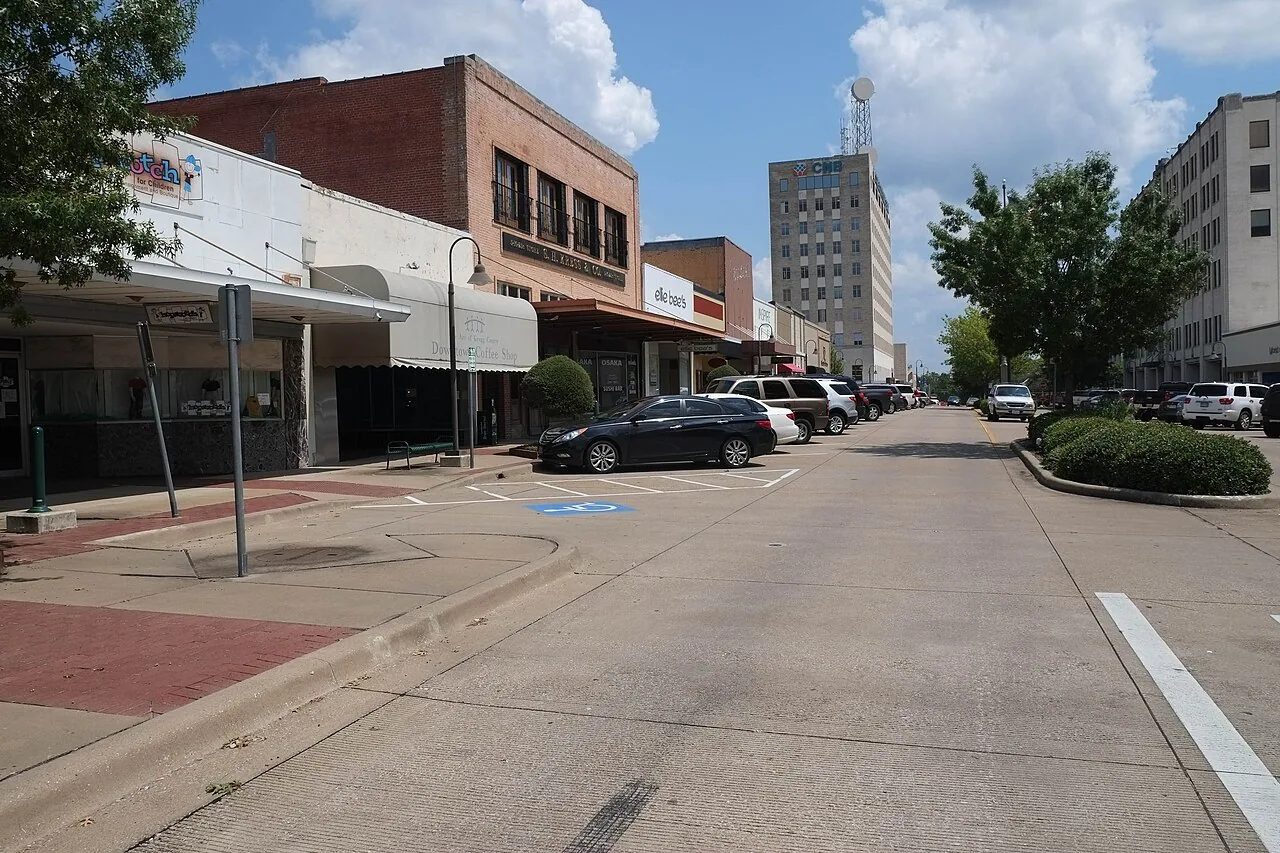
Commercial Roofing Longview works on low-slope and metal roofs for owners, facility directors, property managers, and general contractors in Longview and East Texas communities served by the market. We inspect, repair, replace, recover, restore, coat, and maintain commercial roof assemblies. A service visit starts with a defined question: where is water entering, what changed, which zone needs attention, or what evidence is needed before a capital decision? We map the roof area, examine visible details, and keep recommendations tied to what the crew could confirm. The purpose is a clear work boundary and an owner decision that does not rely on a guess about concealed conditions.
Begin with what the roof shows
A roof inspection considers the surface, seams, edges, drains, parapets, curbs, wall transitions, penetrations, and any earlier repair. Indoors, we compare the reported leak with the roof plan and note the rooms or equipment affected. A stain may be separated from the opening by a slope or seam, so we trace the likely water path before deciding where to work. Our commercial roof inspection can document visible conditions and map areas that still need access or testing. For harder-to-reach elevations, a drone roof review can add useful imagery, while hands-on inspection remains necessary for details that require direct examination. We state what was observed, what was not accessible, and what evidence would change the recommendation.
Some inspections answer a narrow question, such as whether a drain is clear or a curb flashing has opened. Others establish a baseline across a larger roof so the owner can plan maintenance or compare bids. We agree on the purpose before the visit, then photograph the relevant details in a way that can be matched to a roof map. When an area cannot be reached safely, we record the limitation and explain what equipment or access would be needed. That makes the report useful even when the first visit cannot settle every concealed condition.
Repair the failed detail and define its limit
A repair should identify the actual failure and the material that can receive a compatible tie-in. We may address a membrane seam, flashing corner, edge, curb, drain, or puncture, depending on the field finding. Before opening a roof, the owner approves the location and limit. If removal exposes wet insulation, compromised cover board, or a deck condition that changes the scope, the crew stops at the agreed boundary and photographs the layers. The owner can review the newly visible condition before authorizing an expanded repair. Commercial roof repair is planned around measured work, access, protection below, and a secure stopping point. For urgent water entry, emergency response is available all hours, including weekends and holidays.
Repair scope also accounts for the material that must be removed, how the crew will protect the interior, and whether the work can be completed in one shift. At an occupied property, we coordinate the route for tools and materials, the location of a lift, and the time when a roof hatch or loading area can be used. Longview's hot-season surface conditions can affect preparation, so the crew checks the roof and follows the selected product instructions before starting a seam or flashing repair. A written closeout identifies what was completed and what remains outside the approved boundary.
Compare renewal with continued repair
Several recurring leaks, widespread surface deterioration, poor attachment, or an assembly that no longer accepts reliable repairs may warrant a broader evaluation. We review the deck, insulation, drainage, edges, equipment transitions, warranty records, and prior work before comparing alternatives. A replacement assessment explains the proposed removal limits, new assembly, access plan, and work sequence. Where the existing assembly and condition permit, a recover or coating may be considered after moisture and substrate questions are resolved. Product selection follows the actual roof and building requirements. TPO roofing is one system option among several; its presence cannot be inferred from property type or neighborhood. The owner receives the evidence behind the option and the choices that remain open.
Plan around the work happening below
Commercial roof work can affect entrances, deliveries, patient or customer spaces, equipment, and production. We coordinate roof access with the site contact, identify areas below the work, and establish how the crew will protect a space during an opening. A warehouse roof project may need a clear dock lane and material route; a school or healthcare facility can have different occupancy and safety limits. The owner identifies shutdown authority, escort requirements, restricted areas, and daily access hours. For a phased project, each work zone should end in a stable, weather-tight condition. We communicate what remains covered, which detail is awaiting a test or material, and who can authorize a schedule change if conditions shift.
Use Longview context without assuming a roof condition
Longview's July normal high is near 94 degrees. A 2008 tornado track damaged roofs and trees in the city, so property teams need a clear post-storm sequence: secure active openings, photograph visible damage, and check edges, flashings, and rooftop equipment before approving permanent repairs. Commercial properties range from Downtown Longview storefronts to industrial sites near I-20 and aviation buildings at East Texas Regional Airport. We keep each building's measurements, system, and service record with its own roof plan.
For a larger building change, Longview's Building Inspection Division reviews commercial building and site plans under the city's adopted requirements. We define roofing details and provide the observations behind our scope; the owner and design team coordinate any plan review or approval required for the project. Separating those roles keeps the roof proposal specific to the work while the full project follows the authority's process.
Leave a roof record the next team can use
Closeout should name the building and roof zone, show before-and-after photographs, record the material and repair boundary, and list tests or access limitations. We can prepare roof condition reports and maintenance records that distinguish urgent repairs from items to monitor or budget. If a detail remains concealed or inaccessible, the report says what would resolve the question. That record helps a facility manager compare the next service visit with completed work rather than start over from an interior leak note. It also gives an owner a basis for sequencing projects in Longview and municipalities in the service market, including White Oak, Kilgore, and Lindale. Longview commercial roof service is scheduled from the property plan, access information, and the decision the owner needs to make.
Commercial Roofing Questions
What information helps you prepare for the first inspection?
A roof plan, leak location, photos, prior repair history, equipment layout, and access rules give the field visit a useful starting point. Name the person who can release roof access and approve a test.
Can you handle active leaks outside normal business hours?
Yes. Emergency response is available around the clock, including weekends and holidays. We stabilize active water entry where feasible, document the affected area, and identify the next step for permanent repair.
How do you decide between a repair and a replacement?
We compare the confirmed failure, condition of adjacent material, moisture evidence, attachment, drainage, repair history, and access. The recommendation identifies what supports the choice and what remains uncertain.
Can you work on an occupied commercial building?
We plan access, interior protection, deliveries, and a weather-tight stopping point with the facility contact. The schedule and work zones depend on the building’s operation and the roof area under repair.
Buildings we roof
Warehouses, plants, offices, clinics, schools and retail centers
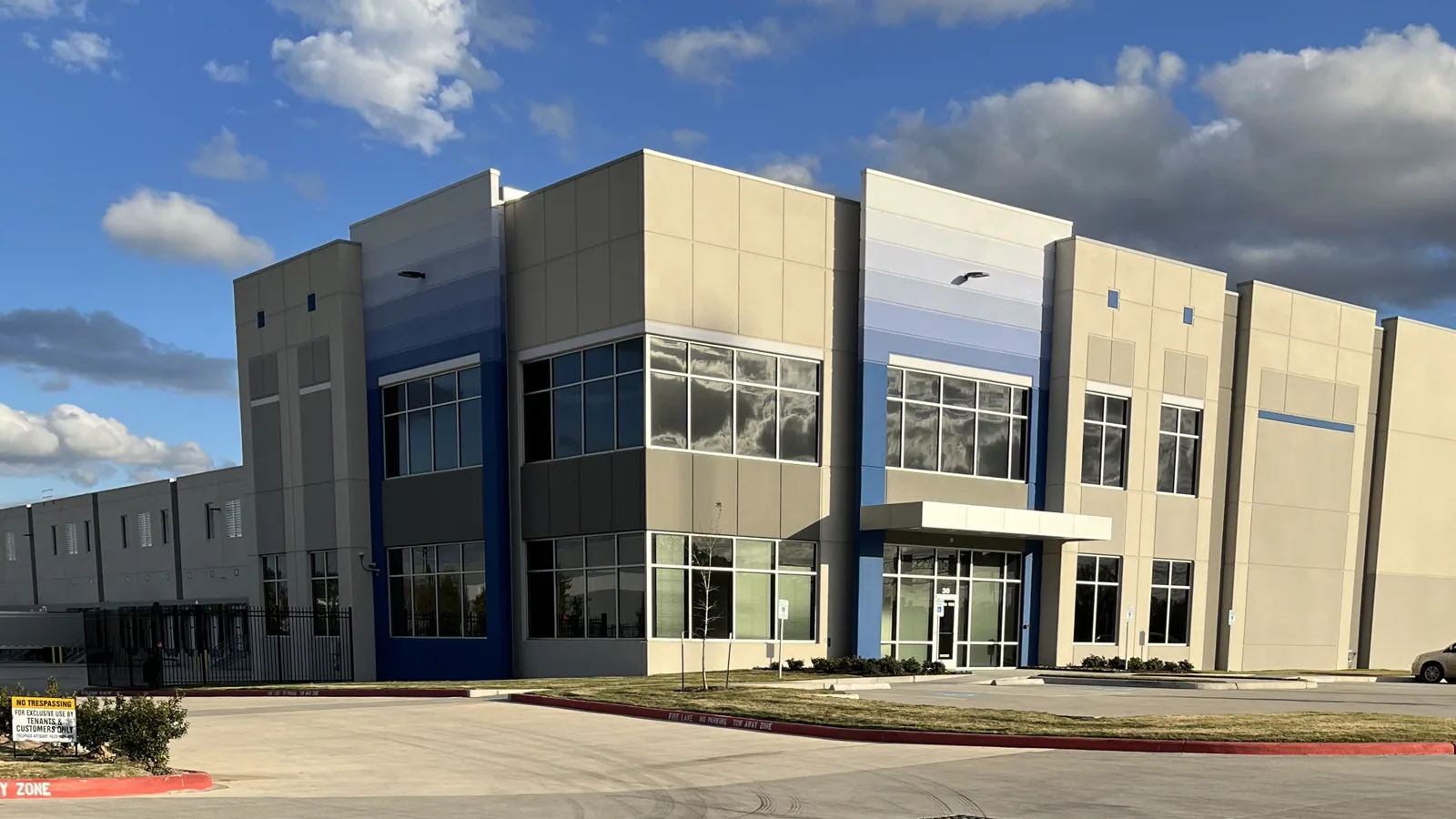
Large low-slope roofs over inventory and loading docks, with work scheduled around trucks and shifts.
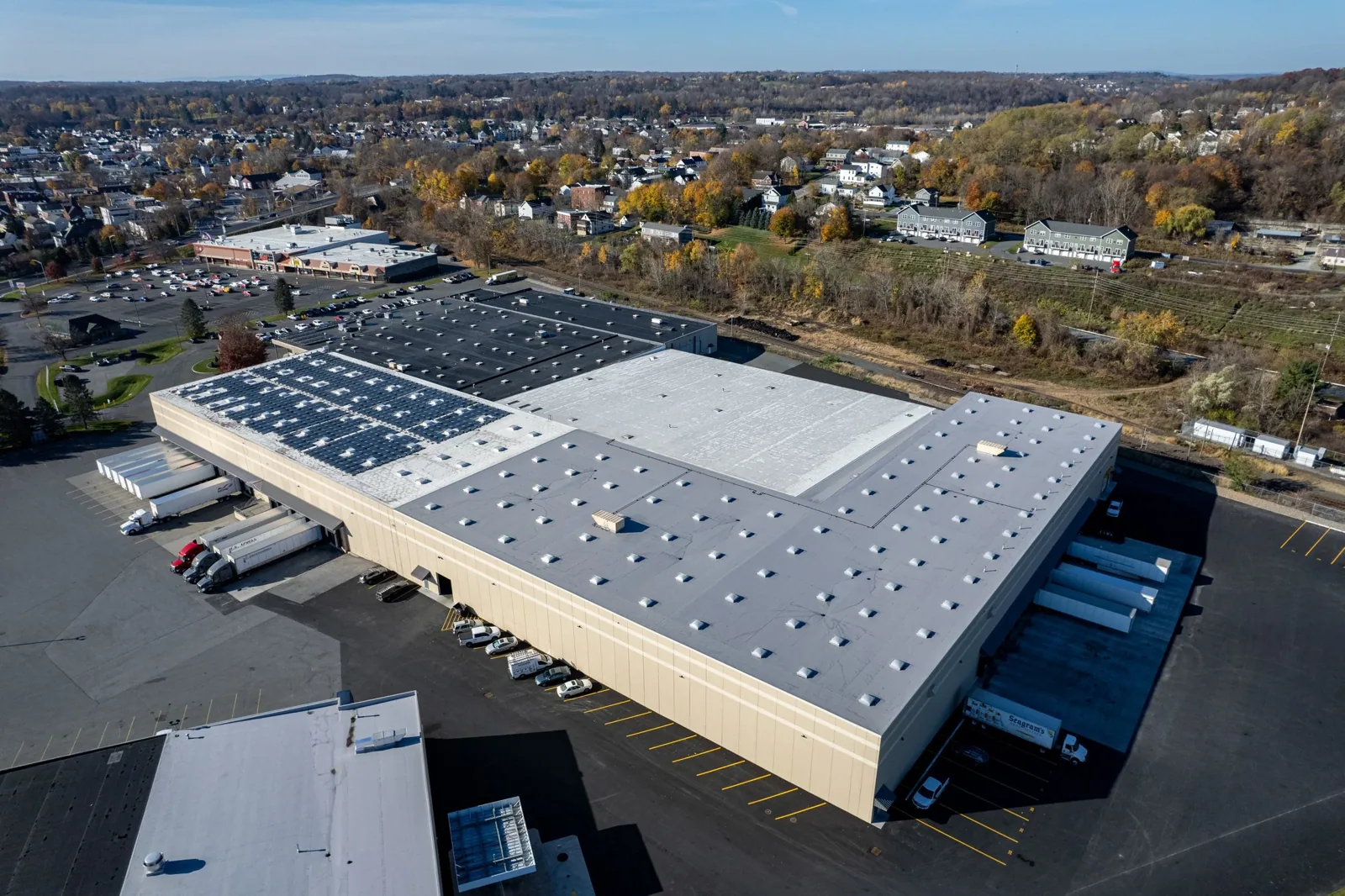
Roofs with process vents, heavy equipment and heat exposure, kept dry without stopping production.
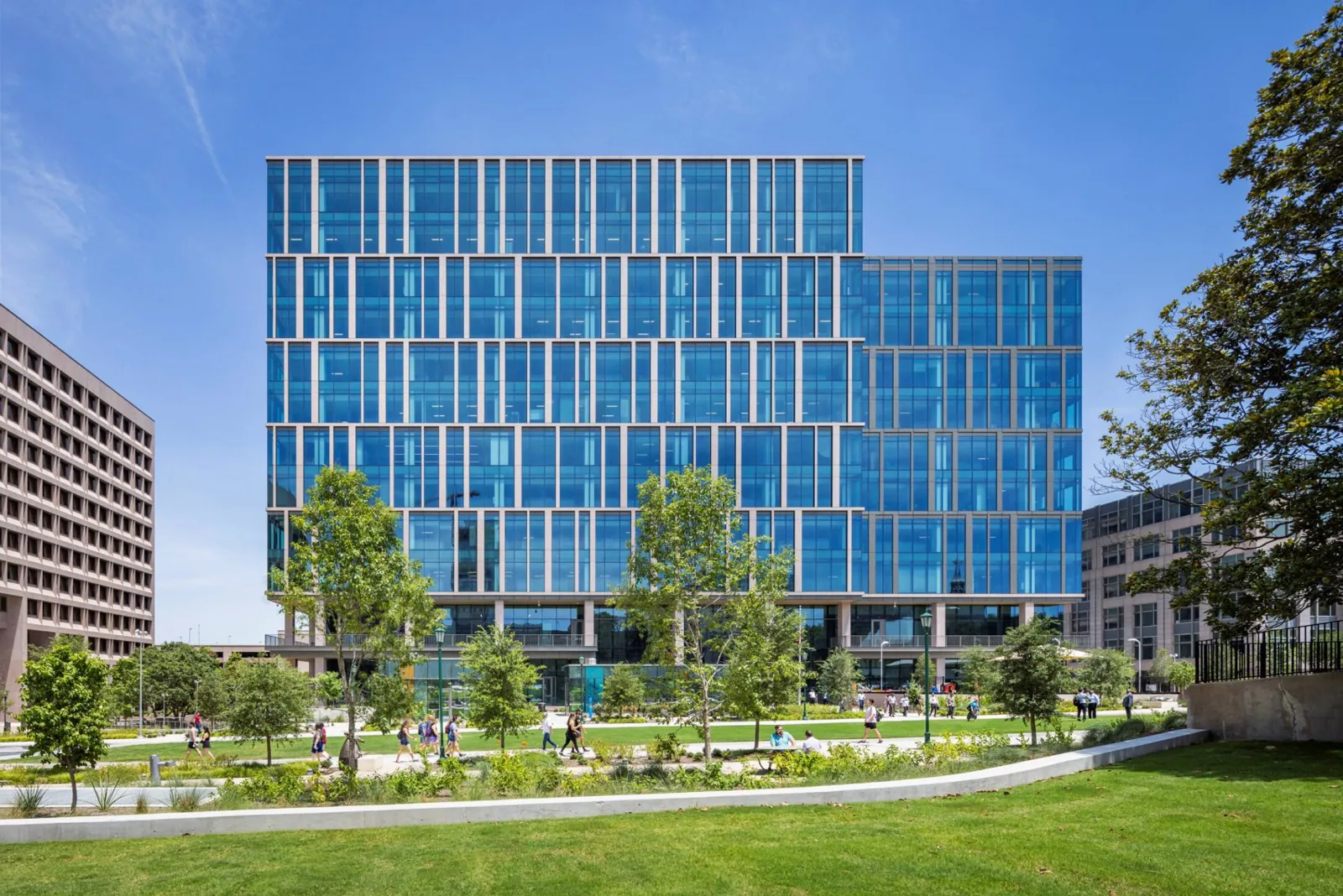
Quiet, phased roof work above occupied offices, with interior protection where leaks have shown up.