
Commercial Roofing for School Districts in Longview, TX
School Districts
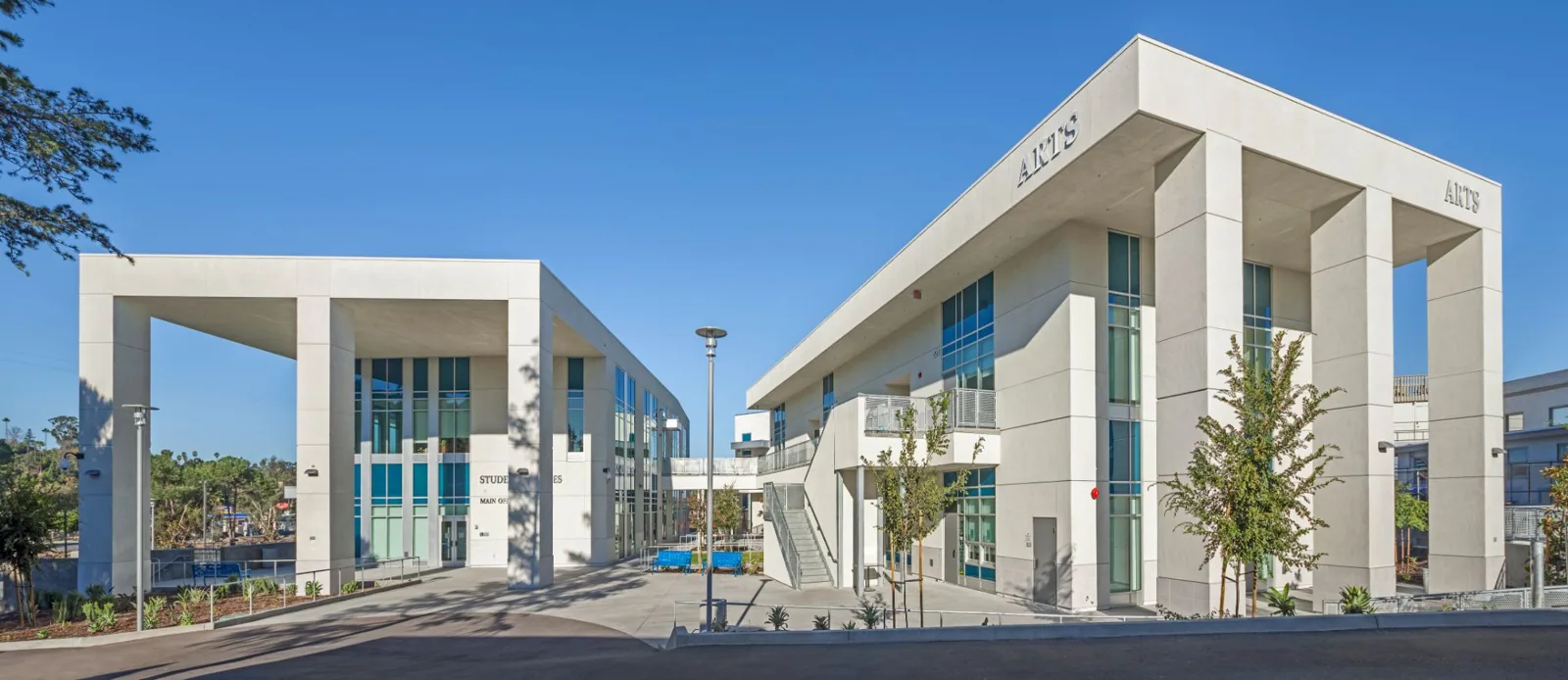
A roof problem at a school is also a campus-access problem. Water over a classroom, gym, kitchen, or corridor can affect instruction and movement even before the roof opening is visible. We locate the affected zone, trace the likely path through the assembly, and identify what must be confirmed before a repair is priced. The district gets a clear description of the work area, the evidence behind it, and any access decision needed to protect students and staff.
Longview's Downtown plan centers reuse, offices, housing, retail, and public spaces, while the city's southern I-20 plan focuses on redevelopment near LeTourneau University and the Estes Parkway and South Eastman Road corridors. Hallsville, a separate nearby city, has general-business and light-industrial districts as well as institutional areas on its zoning map. District staff identify each campus's building records, bell schedule, security requirements, and roof-access route before a service visit.
Define a safe roof-work boundary on campus
Before equipment or material reaches the roof, campus staff identify student arrival paths, bus loops, athletic practice areas, visitor entrances, and any event schedule that changes access. The work plan shows where the lift will sit, how a barricade will be maintained, and which doors or walkways remain in use. Roof debris must not fall into a student route or a ventilation intake. We agree on a campus contact who can stop work if a fire drill, arrival surge, or unexpected activity changes the conditions below.
On an active school day, work can be divided by building wing or roof zone so unaffected spaces keep their normal schedule. A school-day work sequence can address access, protection, and daily closure checks before a crew starts. Each shift ends with a watertight tie-in and removal of loose material from the roof. For a district that also manages support or maintenance buildings, a health-system coordination approach offers a related example of how sensitive occupancy can shape a roof schedule, while the school remains in control of campus rules.
Connect an interior report to the roof zone
A ceiling tile stain in a classroom does not always sit directly below the roof opening. Water can move across a deck, follow a joist, collect at a low point, or travel around a curb before it appears inside. We use the room and roof plans, recent weather, visible seams, flashing, and prior repair locations to narrow the search. The inspection records what was visible and labels any area that needs a test opening instead of treating an unconfirmed location as a repair quantity.
Where contents or instruction remain in place, the school determines the room-protection method and when furniture can move. The roofing scope explains whether the visit can stay outside the building or needs a coordinated interior observation. A leak investigation can focus on the reported area, while a moisture survey may help select locations for direct confirmation. We keep those results separate: a thermal pattern is a screening observation, not a substitute for confirming the assembly when the decision requires an opening.
Check drainage before a wet area becomes a campus issue
Roof drains, scuppers, gutters, and overflow paths should move water away from entrances, classroom walls, and mechanical spaces. We inspect the outlet, surrounding membrane, flashing, and visible slope feeding the drain. If a primary path is restricted, the report identifies whether the backup route is clear and which conditions need correction. When water remains at an outlet, check for debris, a displaced drain ring, a blocked line, and roof-plane conditions; each finding requires a different correction.
Longview's July climate normals show sustained summer heat, and the region also sees seasonal thunderstorms. That weather informs when exterior work may be practical, but each campus inspection still depends on the actual roof and outlet condition. A drain and scupper service visit can address a failed connection or blocked roof-level detail. For major work, we coordinate the roof schedule with the district's summer, holiday, and athletic calendars rather than assuming every empty classroom means the whole campus is available.
Protect mechanical rooms, gyms, and classroom systems
Schools may have rooftop units serving different wings, kitchen exhaust, laboratory vents, skylights, communications equipment, and electrical conduit. We inspect curb corners, pipe boots, edge transitions, and clearances around serviceable equipment. If a unit must be isolated or moved, the district's mechanical contractor controls that operation. The roofing crew identifies the opening, protects the deck, and restores a compatible flashing detail after access. The report also notes whether a gym, kitchen, library, or server room needs special controls below the roof zone.
The assembly itself determines what repair can tie in. Longview's building-plan review is handled by the City under its current adopted codes. The district and its design professionals confirm whether a planned alteration requires review before construction. We can document visible roof conditions and provide scope information, but cannot decide code compliance for the authority. Compare a curb and penetration repair with a wider replacement assessment only after the edge, deck, insulation, and system compatibility are understood.
Make every campus record useful to the next work order
A school district needs roof records that survive staff changes and can be reviewed before the next budget cycle. We label the campus, roof zone, assembly, repair material, photographs, and inspection limits. If a room remained occupied or inaccessible, the record says so. If the source was not confirmed, the district sees what test would close that question. The document should not include student names or classroom schedules beyond the access detail needed for the repair; roof-zone labels are enough for facilities staff to find the work.
Longview's Building Inspection Division reviews commercial building and site plans under adopted codes, so district staff should confirm the City's review path for a project that changes an assembly. A condition report can keep findings tied to each building, while a manufacturer facility work plan illustrates how documentation changes with a different operating environment. For a campus in Longview, share roof drawings, leak history, access rules, planned events, and any warranty records before inspection.
Give facilities staff a clear next step
The closeout identifies the repaired detail, roof-zone location, materials, photographs, and any work still awaiting access or testing. A campus contact can compare the repair with the original report and decide whether a follow-up visit is needed. For multi-building programs, we separate urgent water entry from deferred maintenance and capital planning. That lets the district direct limited roof access time toward the building with the most consequential confirmed condition, rather than assigning the same response to every site.
Send the roof plan, room or wing affected, bell schedule, work-hour restrictions, security procedure, and lift-access notes with the service request. We will establish the inspection boundary and return findings in a format the facilities team can use to decide what happens next. The district keeps control of campus access and project approvals; our task is to provide a field-based roof scope that supports them.
Commercial Roofing Questions
Can repairs be scheduled while students are on campus?
Some inspections and limited repairs can fit the school day if district staff approve the access route, work zone, and student protections. Larger disruptive scopes may need a break or summer window.
How do you keep a leak search from disrupting class?
We coordinate room access with the campus contact, start from the reported roof zone, and keep interior observation limited to areas needed to answer the inspection question.
What roof information should the district provide?
Share campus roof plans, previous repairs, room reports, equipment locations, bell and event schedules, security rules, and any warranty requirements.
Can you rank work across multiple campuses?
Yes. We can separate active leaks, confirmed defects, and untested areas by building so facilities staff can compare consequence, access, and funding windows.