
Emergency Commercial Roof Repair in Longview, TX
Emergency Commercial Roof Repair
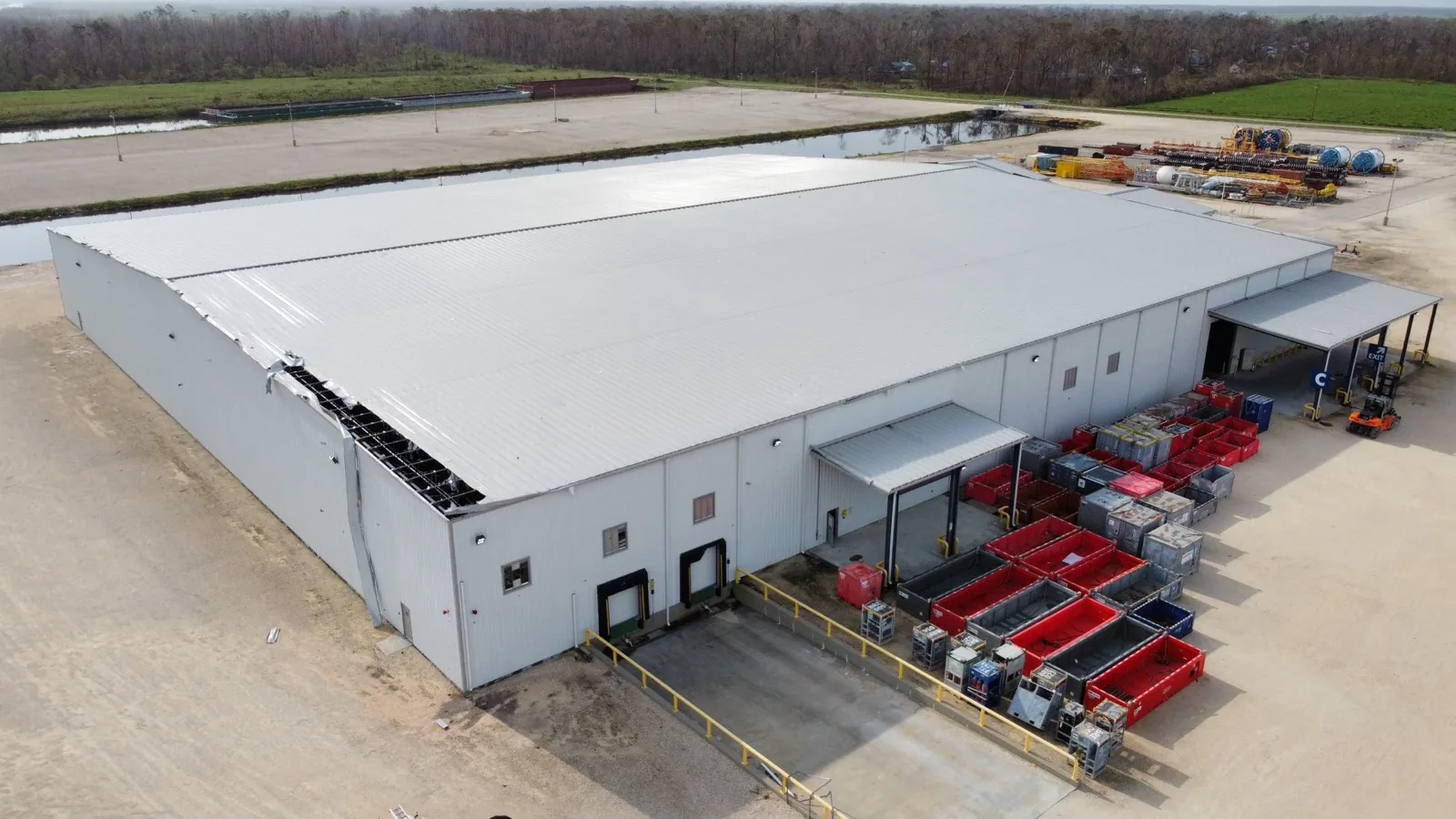
After a Longview wind or hail event, loose perimeter metal, impact openings, and rooftop debris can call for different emergency steps. We check which roof zones are safe to enter, protect the affected interior, and install a temporary dry-in where the assembly and weather allow. The visit records any displaced edge, damaged flashing, or puncture that is confirmed, along with areas that remain unsafe or uninspected. That evidence sets the handoff from immediate protection to permanent repair.
Longview has experienced damaging storm conditions, including a 2008 EF1 tornado track that reached the city and caused roof and tree damage. During a severe-weather call, we check for lifted edges, displaced metal, punctures, falling debris, and water entering around rooftop equipment. Downtown Longview office or retail space may need interior protection and entry coordination, while an industrial building near US 259 and I-20 can require safe access around active operations. The response plan starts with the building's immediate risk and the crew's safe work limits.
Control water inside before opening the roof
Tell us which rooms, production areas, or electrical equipment are affected and whether water is still entering. If ceiling materials are sagging, keep people clear and have the facility team isolate the area. Move contents when safe, protect critical equipment, and use collection containers only where they can be placed without creating a slip or electrical hazard. We coordinate with the building contact about access, alarm systems, and any operating restrictions before a roof inspection begins.
At the roof, the crew checks weather, wind, lightning, surface conditions, and access routes. Standing water, unstable metal, high winds, or active lightning can prevent safe work. We do not climb onto a roof when conditions make the task unsafe. When access is available, the first inspection looks for the most direct water path and the nearest secure place to apply temporary protection. A leak-path investigation can then define the permanent correction after the building is stable.
Install a temporary dry-in with clear limits
Temporary protection may use a secured tarp, compatible temporary membrane, or localized covering selected for the roof and weather conditions. The crew secures the material against wind uplift, protects drains, and avoids directing runoff into another vulnerable area. The temporary boundary must be large enough to cover the likely opening and provide a safe attachment area. It should not block an overflow path or conceal a condition that still needs inspection.
We document where the temporary measure sits, how it is secured, and what weather or duration limits apply. A temporary repair can reduce entry while a permanent assembly is prepared, but it may need monitoring after another storm. Longview's July normal high is near 94 degrees. We check temporary materials, secure exposed edges, and schedule permanent work when the surface and product requirements permit. The facility contact receives clear instructions on what to watch and how to report movement or renewed leakage.
Separate storm damage from pre-existing wear
After immediate water control, we inspect the surrounding roof zone for fresh tears, punctures, lifted seams, impact marks, loose edge metal, and failed transitions. We compare the affected area with prior repair records and adjacent membrane to distinguish recent damage from older wear. Longview has a documented hail report from 1996. At the property, we compare the current opening with prior repairs before setting a permanent scope. We document observable conditions without assigning a storm cause to damage that the field evidence does not support.
If a roof area is wet below the membrane, we mark the moisture boundary and recommend test openings where necessary. Wet insulation, a damaged deck, or loose attachment can require removal beyond the visible entry point. An infrared moisture survey may help prioritize testing across a larger field, while a hands-on inspection confirms material and attachment conditions. The owner sees what is confirmed and what remains an assumption before permanent work begins.
Plan the permanent roof correction
The permanent repair must match the roof system and extend into sound material. Heat-welded membranes, EPDM, modified bitumen, coatings, and metal roofs each require different preparation and components. We identify the existing assembly, remove loose or damaged material as scoped, and rebuild the failed seam or flashing. If a curb, drain, scupper, or wall termination caused the entry, the correction addresses that transition instead of applying sealant to the symptom.
Where wet insulation or deck damage extends beyond a small opening, the recommendation may become a broader repair or replacement. We set a defined boundary, note any structural concern for the owner to review, and describe how the new material ties to the existing field. For a larger assembly decision, a replacement evaluation or recover assessment may be appropriate. The proposal states which work is urgent and which improvements can be scheduled after the immediate leak is controlled.
Coordinate the response around the property
Emergency work needs a point of contact who can authorize roof access, identify affected tenants, and coordinate interior protection. We confirm where a lift or staging area can be placed and keep loading routes, doors, and fire access open. For a business near Longview Business Park, US 259 access and delivery activity can affect material movement. Downtown properties may have limited staging and occupied storefronts. The work plan identifies the route, equipment, work boundary, and who receives status updates.
Once the roof is dry-in secure, we schedule the permanent repair around material availability, weather, and building use. A written update separates emergency labor from follow-up scope, lists the temporary protection, and notes unresolved conditions. This helps owners avoid treating a temporary measure as a warranty repair or permanent solution. A condition report can preserve the findings for maintenance staff, insurers, and the next roof review.
Leave the site secure and the next action clear
Before leaving, we verify that temporary protection is secure, drains and emergency overflows remain usable, and the affected interior is safe for normal access. The record includes photographs, roof zone, observed failure, temporary materials, and any condition that could not be inspected. If the leak continues or weather changes the plan, the report says what response is still needed. Facility staff should know whom to contact if water returns or the temporary cover moves.
In Longview, provide the building address, affected room, timing, roof access contact, and any known roof-system information when requesting emergency service. We will confirm the next safe step, protect the building where conditions allow, and provide a permanent repair plan based on what the roof shows. A clear closeout prevents a short-term dry-in from being mistaken for a completed roof repair.
Commercial Roofing Questions
Can you respond during a storm?
Response timing depends on conditions and crew availability. Active lightning, unsafe wind, or an unstable roof can delay roof access. We can coordinate safe interior protection while determining when an exterior inspection is possible.
Will a tarp permanently fix a roof leak?
No. A tarp or temporary membrane can limit water entry while a permanent repair is planned. We document its limits and identify the seam, flashing, penetration, or damaged area that needs correction.
What should staff do while waiting for a roofer?
Keep occupants away from sagging ceiling material, protect contents when safe, and report water near electrical equipment. Share the affected room and roof access details so the response can be organized.
Do you document storm damage for the owner?
We can provide photos and a repair record describing observed conditions and completed work. The record distinguishes confirmed roof damage from conditions whose cause or extent needs additional investigation.