
Commercial Roofing for Property Management Companies in Longview, TX
Property Management Companies
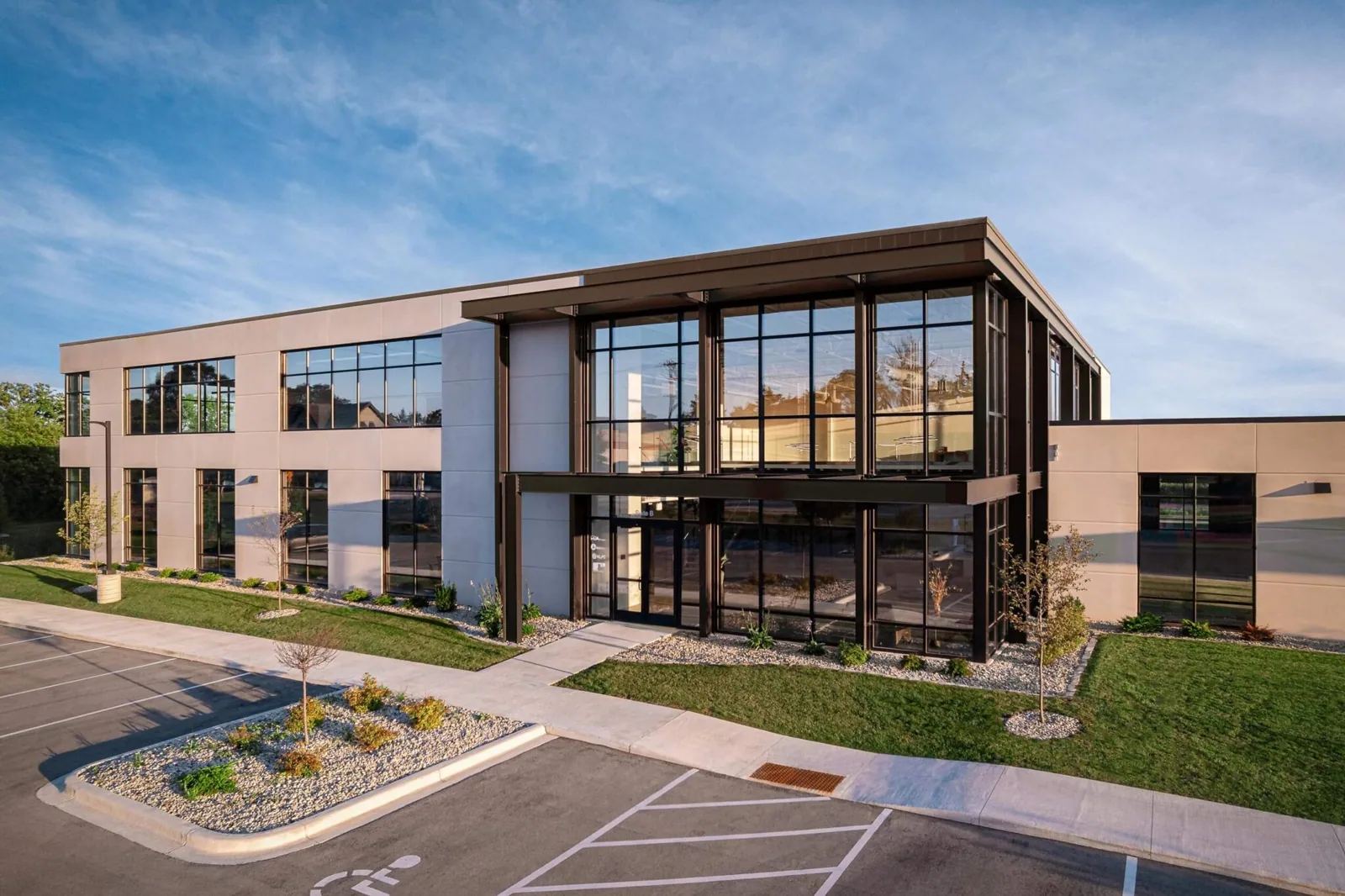
A property manager needs a roof report that turns a tenant call into a work order with a clear next step. We trace the water path, identify the affected roof zone, and separate confirmed repairs from areas that need testing. When several buildings share a portfolio, findings must stay tied to the right property, assembly, and access contact. A leak ticket without an exterior location can trigger repeat visits, so the first scope should establish what the crew saw and what remains open.
Longview Business Park spans 475 acres along US 259 near I-20, and North Business Park covers a separate commercial area reached by FM 2275 and George Ritchie Road. Downtown Longview also has a plan for offices, retail, housing, and reuse. Managers can use a consistent portfolio format while keeping each building's roof map, repair history, and inspection findings separate. We confirm building records, tenants, equipment, roof plans, and access rules before proposing work.
Build one roof record for each property
Each building needs a roof-zone map, assembly description, prior repair history, and contact responsible for access. We label drains, curbs, edges, seams, and known leak areas so a later call can be compared with earlier findings. If a property has additions or several roof systems, each section gets its own note. This prevents a maintenance decision at one building from being carried to a different assembly just because both share an owner.
For a portfolio, we can group records by property and sort them by active water entry, developing defects, and routine maintenance. A roof asset record helps managers compare inspection findings and planned work across assets. A real-estate investor roof brief can also organize capital discussions, while keeping the field evidence attached to each individual property rather than a portfolio-level assumption.
Turn tenant reports into roof inspections
A tenant may report a ceiling stain, odor, damaged tile, or active drip. We ask when it began, whether it changed after rain, what room is affected, and whether earlier repairs were made. Then we inspect roof slopes, drains, seams, penetrations, and walls that could connect to that interior location. The repair boundary follows the confirmed opening, not the tenant's ceiling mark alone. If the source remains uncertain, the report names the test that would narrow it.
Longview's hot, humid summers and seasonal thunderstorms make recurring water paths worth tracking. A regional condition does not diagnose a particular building, so we document what the inspection confirms. A leak investigation can follow an active ticket, while a moisture survey may help prioritize test openings when wet insulation is suspected across a broader area. Findings are recorded by property and roof zone.
Keep tenant access and work boundaries clear
Property teams coordinate loading, customer entrances, suite access, quiet hours, and building security. We confirm the work area with the manager before mobilization, then plan lifts, material movement, and debris controls around occupied routes. If work must move to another zone, the daily boundary is updated so tenants know which entrance or room is affected and when it can return to service. The manager retains control of tenant notices and building access.
Downtown Longview's streets and public spaces differ from an industrial property near US 259, where truck access may set the schedule. We verify each property's actual staging area instead of assuming the district has the same access as the next building. A phased reroof plan can keep unaffected areas operating. For logistics assets, distribution roof coordination adds dock and inventory timing to the property manager's broader schedule.
Rank repairs by risk and timing
A portfolio inspection should separate active leaks from conditions that can be scheduled. We document membrane openings, wet insulation, drain failures, loose edges, and curb movement, then explain what each finding could affect if left untreated. Managers can decide which repairs need immediate access and which belong in planned maintenance. We do not treat every building as the same priority; the roof map and evidence determine the sequence.
Longview's July normal high is near 94 degrees, while heavy seasonal rain can test drainage routes. Those conditions help plan maintenance timing but do not replace inspection. A preventive maintenance visit can clear outlets, review seams, and document repairs. If failures recur across several roof zones, a replacement assessment can compare repair, recover, and tear-off with tenant access and capital timing included. Managers can also align site visits before lease renewals, budget reviews, or major tenant improvements so the roof file is ready when scopes are being compared. That leaves time to coordinate vendors and gives owners a consistent basis for reviewing each property's next work order.
Prepare scopes that support owner decisions
A useful proposal defines the roof assembly, repair area, preparation, materials, tie-in, and closeout evidence. We separate optional testing or concealed-condition allowances from the base repair so managers can explain the decision to an owner. Photos and a zone plan connect each quantity to the observed condition. If a project requires a larger assembly change, the scope should distinguish roofing work from any design, mechanical, or site coordination that remains.
Longview's Building Inspection Division reviews commercial building and site plans under adopted codes. For a roof alteration, the property team coordinates applicable review with the City. We provide roof details and avoid treating plan review as part of the field repair. The manager receives a scope that can be compared across properties without losing the local assembly and access details that make each job different.
Return a handoff the next manager can use
Closeout lists the address internally, building and roof-zone labels, materials, completed details, photos, and open follow-up. We note where access was limited and whether another trade must confirm equipment operation. The manager can share a tenant-facing summary without sending internal roof notes or private lease information. Clear records reduce repeat diagnosis when staff or tenants change.
For managed buildings in Longview, share roof plans, tenant contacts, leak history, equipment maps, access hours, and any active renovation schedule before inspection. We will coordinate the visit and return findings tied to each property. A consistent roof-zone map gives the portfolio team a practical way to compare risk, completed work, and upcoming maintenance without assuming the buildings share the same roof.
When a manager takes over an asset, request the roof plan, outstanding leak tickets, warranties, and repairs that remain under a workmanship obligation. Compare those files with a field walk before closing open work orders. Each recommendation should name the location, evidence, and next action, while unresolved access or record gaps remain visible. That handoff helps a new manager distinguish an active repair from a monitoring item and gives the owner a basis for approving the next visit.
Commercial Roofing Questions
Can you organize roof findings across several managed properties?
Yes. We keep each building and roof zone separate, then summarize active leaks, developing defects, and maintenance needs so the manager can set priorities across the portfolio.
What should a property manager collect before a leak visit?
The room or suite affected, timing, weather notes, prior repairs, roof plans, equipment locations, and access contact help us trace the likely exterior path.
How do you avoid sending a tenant a confusing work notice?
We give the manager the affected area, access window, and expected restriction in plain terms. The property team controls tenant communication and updates it if the work zone changes.
When should a manager move from repair tickets to a replacement plan?
Recurring leaks, moisture beyond the repair area, or multiple failing roof details can justify comparing broader work. The report shows which findings support that discussion.