
Cold Storage Roofing in Longview, TX
Cold Storage Roofing
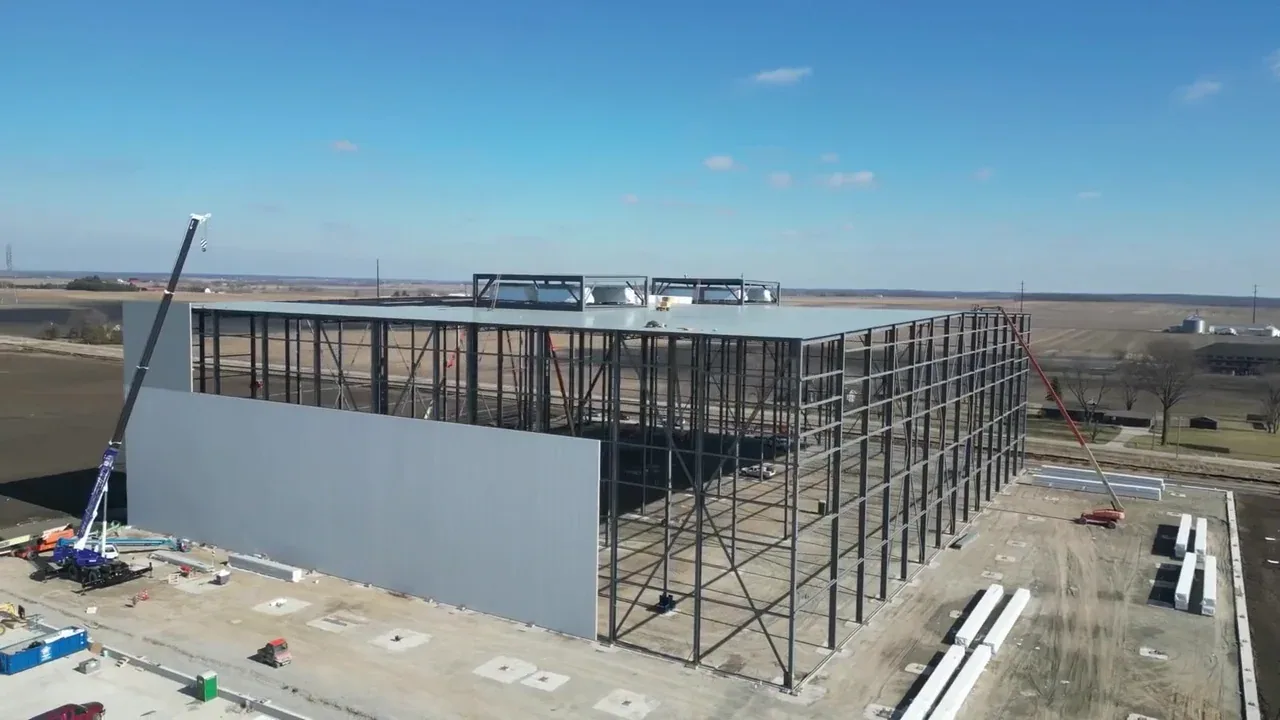
A cold room depends on a controlled interior, and a roof leak can threaten insulation, refrigeration equipment, and the product environment below. We inspect the roof assembly, penetrations, drains, and vapor-control transitions before choosing a repair. The roof must shed rain while supporting equipment access and maintaining a continuous thermal boundary. A detail that looks small from above can matter if it opens a path for moisture or disrupts refrigeration operations.
Longview's hot, humid summers create a strong contrast between exterior heat and refrigerated interior conditions. July's normal high at East Texas Regional Airport is near 94 degrees, so we check exposed sealants and transitions as part of a cold-room roof visit. South Longview's I-20 planning area includes development near LeTourneau University, while East Texas Regional Airport's industrial park supports regional aviation and logistics. That mix makes equipment clearance and delivery timing worth confirming at the actual property. We review leak history, room conditions, equipment layout, and roof materials by zone before choosing a repair.
Protect the thermal and vapor boundary
Air and vapor movement can create condensation inside a roof assembly when warm, humid air reaches a cold surface. The roof inspection checks insulation continuity, vapor retarder transitions, penetrations, joints, and locations where mechanical changes disturbed the enclosure. We look for wet insulation, corrosion, membrane separation, and interior patterns that suggest a moisture path. If a test opening is needed, we coordinate with the facility so product zones below remain protected and the cold-room operation can continue safely.
A refrigeration service line, electrical conduit, or equipment curb needs flashing that accommodates movement while protecting the assembly. We map each penetration and identify whether the roof membrane or another envelope layer is the failed point. An inspection record can distinguish visible roof damage from a suspected condensation problem that requires mechanical review. The roofing scope should not assign an HVAC failure to the membrane without field evidence. When an opening is needed, we schedule it with staff who can protect the room below and observe operating conditions.
Coordinate roof work with refrigeration equipment
Condensers, evaporators, piping, and electrical connections create service routes that must remain clear during roof work. We identify which systems need to stay powered, whether a shutdown can be scheduled, and who can isolate equipment before a curb or line penetration is disturbed. If a unit must be lifted, the mechanical contractor coordinates that operation while the roofer protects the roof opening and restores compatible flashing.
Longview's industrial and distribution sectors use different facility arrangements, and no business-park label tells us the refrigeration layout on a particular roof. We verify equipment locations and the safe path to each unit. A curb and support repair can address a failed transition, while a phased occupied-building plan helps sequence work around cold-room operations, loading, and product-handling windows.
Confirm wet materials before setting a repair boundary
A surface patch can leave wet insulation or a damaged deck hidden below. We compare leak timing, roof slope, interior conditions, and visible membrane failure, then use test openings where needed to confirm the layer sequence. The record identifies which insulation is wet, the deck condition, and the extent of material that requires removal. If the test area is dry, that finding also matters because it keeps the repair quantity focused.
Thermal readings can help identify areas for investigation but do not prove moisture on their own. An infrared moisture survey may guide test cuts across a larger roof, with each selected location verified in the assembly. Longview's humid climate can make a surface appear dry while moisture remains below the membrane, so the repair boundary should follow confirmed conditions rather than color on an image.
Keep drainage separate from refrigeration discharge
Rainwater, condensate, and process discharge may travel across the same roof but have different sources. We inspect drains, scuppers, overflow paths, equipment condensate lines, and the membrane around their terminations. A line draining onto the roof can keep a small area wet; a blocked outlet can send storm water back toward a curb. We document each path and clarify whether the correction belongs to the roof crew or the refrigeration service provider.
A drain and scupper review checks bowls, strainers, and tie-ins that may fail around a low point. If additional insulation or cover board will be installed, curb and drain heights need measurement so the finished assembly does not compromise drainage. A tapered insulation scope can improve water movement when the roof plan and structure support that correction.
Choose compatible materials for the roof temperature range
Cold-storage roof systems may include single-ply membrane, built-up roofing, metal, or coating assemblies. We identify the existing system and inspect prior repairs before selecting a compatible patch or flashing. Surface preparation matters because condensation, frost, grease, or cleaning residue can affect adhesion. The scope describes the required dry surface, primer or cover board, seam method, and time needed before the refrigeration environment returns to normal operation.
Longview's high summer temperatures also affect crew timing and exposed material handling. We plan staging so sheets, adhesives, and protection components remain within manufacturer requirements. If the roof has widespread wet insulation or repeated failure, a warehouse roof evaluation or distribution-center roof assessment can help compare broader renewal options where storage and shipping operations must remain active.
Document the repair and operating handoff
Closeout photos show the flashing, equipment base, roof zone, drainage path, and any test openings that were repaired. We record the roof materials used, the repair boundary, and any separate mechanical or envelope issue that remains for another trade. The facility manager receives the work status and any limitations on equipment access while sealants or other materials complete their required cure.
In Longview, share roof plans, room temperatures and operating constraints, refrigeration schedules, leak reports, and known repairs before the visit. We will coordinate with the facility contact to protect product movement and restore the roof assembly without leaving an unclear handoff between trades. A precise record helps the next maintenance visit focus on the right roof zone. It also helps the operations team connect a temperature excursion, condensate issue, or recurring ceiling stain with the roof inspection date and findings.
Cold-storage buildings require attention to air leakage and condensation as well as rain entry. Inspect the roof assembly around refrigeration penetrations, curb transitions, drains, and joints where warm moist air could reach a colder layer. Ask the operator how temperature and pressure are maintained before planning an opening. The report should identify what is visible and whether a proposed repair changes the envelope; work that disrupts a controlled area may need a coordinated window with facility staff.
Commercial Roofing Questions
Can condensation look like a roof leak in a cold-storage building?
Yes. Moisture can form within an assembly when warm, humid air reaches a cold surface. We review roof and mechanical conditions and confirm the path before assigning the cause to either system.
Can roof repairs be done without shutting down refrigeration?
Often, if the repair does not require isolating equipment or opening a critical curb. We coordinate with the facility and refrigeration technician before setting the work boundary.
How do you keep product areas safe during test cuts?
We select test locations with the facility contact, protect the area below, and repair each opening after examining the layers. Any room-specific restriction belongs in the access plan.
Should wet insulation be covered with a new membrane?
No. Confirmed wet material should be addressed within a documented boundary before the roof is closed. We show the owner test findings and the replacement area needed for a sound tie-in.