
Distribution Center Roofing in Longview, TX
Distribution Center Roofing
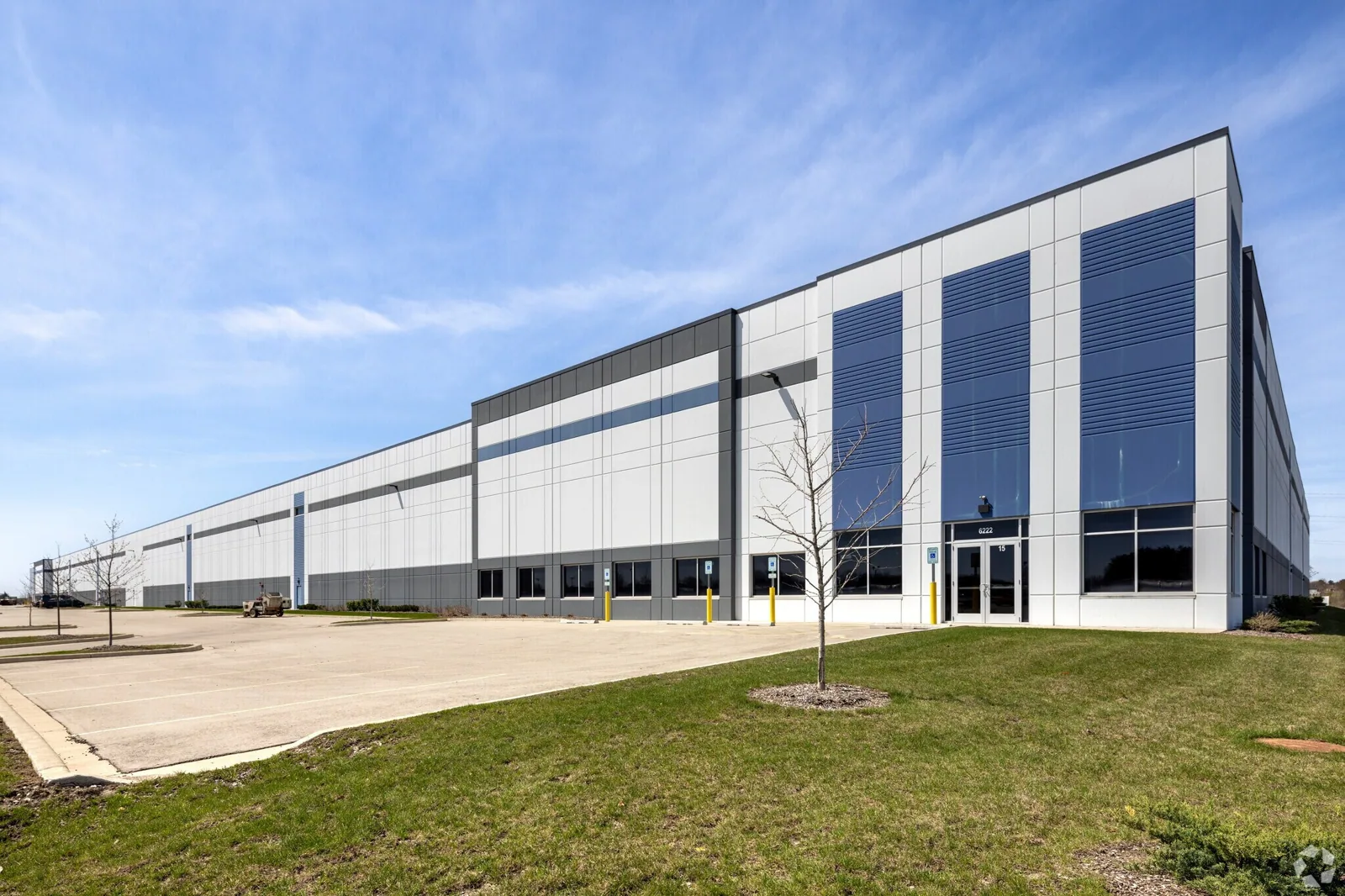
A roof leak above a sort line or staging lane can force an operations manager to move product before the crew has found the entry. We map the interior report to roof zones, check seams, equipment, drains, and edges, then set a repair boundary around confirmed damage. The response must keep docks, fire routes, and material movement clear while crews work overhead. A roof plan should fit the building's operating rhythm, not force the distribution floor to stop for every inspection step.
Longview sits at the intersection of regional commercial and industrial activity. North Business Park connects to US 259 and US 300 by FM 2275, while Longview Business Park lies along US 259 north of I-20. Those connections can influence freight access and material staging, but the roof condition still requires a property-level inspection. We coordinate with the facility manager on delivery windows, equipment lanes, and which areas below the roof need protection before defining the work.
Tie the leak report to a roof-zone map
Water can travel along a deck, insulation seam, or framing before appearing above a conveyor or pallet lane. We note the interior location, the timing of the leak, and whether wind direction changes the symptom. At the roof, we check slope, seams, penetrations, drains, and past repairs above and around the affected bay. If the source is not visible, the report lists plausible routes and the next test rather than pricing an assumed opening.
Large distribution buildings can have multiple drainage paths and equipment clusters. We divide the roof plan into labeled zones so a maintenance request, repair photo, and later inspection refer to the same area. A roof inspection can establish that map and document existing defects. Where a broad area may be wet, thermal mapping can help select openings, with test cuts confirming the insulation condition.
Keep outlets clear through active operations
Blocked drains, settled insulation, and undersized outlets create different problems, even if each leaves water standing after rain. We inspect drain bowls, strainers, sumps, scuppers, overflow paths, and the surrounding membrane. The report records which outlet serves each zone and whether the condition involves debris, a damaged clamping ring, slope, or another detail. A drain and scupper correction can address the failure that keeps runoff from leaving the roof.
During a repair, we keep drainage routes open and plan temporary protection so water does not back up behind a work boundary. At loading areas, runoff should not be directed toward dock doors or pedestrian routes. If the roof has a persistent low area, we identify its extent and whether insulation or slope correction is needed instead of treating cleanup as the whole fix. That distinction matters when the center handles continuous receiving and dispatch.
Use repair materials that match the roof
Distribution centers may have single-ply membrane, modified bitumen, built-up roofing, metal, or several systems across additions. We identify the field material and prior repair products before choosing a patch or flashing. Heat-welded membranes need compatible sheet and a clean weld area. EPDM uses different primers and flashing components. An older coating or asphaltic patch can change surface preparation, so it should be recorded before a new layer is applied.
Repair quantities should reach sound membrane and stable substrate. If the deck has softened or insulation is wet across several bays, a localized patch may not protect inventory or operations for long. A commercial roof repair scope identifies the confirmed cause, preparation, and tie-in. Where roof condition varies by addition, the team may compare phased renewal with a wider warehouse roof program or manufacturing-plant scope based on each assembly.
Phase roof work around freight schedules
Before mobilization, we confirm shift changes, inbound loads, yard circulation, dock-door use, and approved roof access. Materials should not block truck paths or emergency lanes. The roof is divided into work zones that can be opened, repaired, and secured within a defined daily window. If removal exposes wet insulation or a damaged deck, the crew protects that area and documents the condition before expanding the scope. The distribution team receives a status update before access routes or work boundaries change.
Longview's highway-connected business parks support distribution and logistics uses, but one facility's schedule is set by its own operation. We coordinate staging and roof work with the property contact rather than infer hours from the business park. A phased occupied-building reroofing plan can keep unaffected parts of the center active while a zone is replaced. When an active leak cannot wait for that sequence, emergency dry-in work can limit additional exposure until the permanent repair begins.
Use preventive visits to catch small failures
Regular maintenance should include outlet cleaning, seam and flashing checks, inspection of equipment supports, and photographs of developing defects. A loose edge, punctured membrane, or blocked drain can be addressed before it affects stored goods or forces a dock closure. A preventive roof maintenance visit records which zones were checked, what work was completed, and what requires a separate repair authorization.
For an operator managing multiple buildings, a shared roof-zone naming system lets the maintenance team compare work orders and repair histories without confusing one site with another. A shared roof asset record can connect roof age, warranty records, inspection dates, and planned capital work. Longview's industrial and distribution park inventory spans several property uses, so the record should reflect the actual roof rather than a generic center profile.
Give operations a clear repair status
Closeout photos and notes identify the affected zone, the cause found, materials used, and the boundary of completed work. We distinguish the permanent repair from temporary protection or an area awaiting testing. If the crew found an unexpected deck or insulation condition, the record shows where it appeared and what decision remains. That information helps the next shift avoid placing product below an area that is still under observation.
In Longview, share roof drawings, leak reports, dock schedules, inventory concerns, and access rules before the visit. We will inspect the roof and coordinate the repair plan with the facility's operating windows. The final scope should say how crews protect freight movement, keep water moving, and return the affected roof zone to service.
A distribution operation benefits from an inspection sequence that avoids dock congestion and active trailer lanes. Identify where the roof hatch opens, whether the route crosses conveyor or refrigeration equipment, and which loading periods restrict access. At the roof, label drains and curb groups against the building plan so findings can be routed to the correct maintenance lead. If the work needs temporary protection, agree on a staging area that does not obstruct outbound freight or emergency access.
Commercial Roofing Questions
Can roof work continue while trucks are loading?
Often, when the roof access, material path, dock circulation, and work boundary are coordinated with the facility contact. We plan staging to keep fire lanes and active freight routes open.
How do you locate a leak over a conveyor or storage bay?
We compare the interior report with roof slopes, seams, penetrations, and drainage. Water can travel before it appears inside, so we map likely paths and use openings when the source remains uncertain.
What if roof removal exposes more damage than expected?
We secure the work area, document the newly exposed condition, and show the owner the proposed correction before expanding the approved boundary. Other planned zones can continue if they remain safe.
Can repairs be scheduled around distribution shifts?
Yes. We coordinate crew access, deliveries, noise, and daily dry-in limits with the building contact so work zones do not create avoidable interference with receiving or dispatch.