
Commercial Roofing in Downtown Longview, TX
Downtown Longview
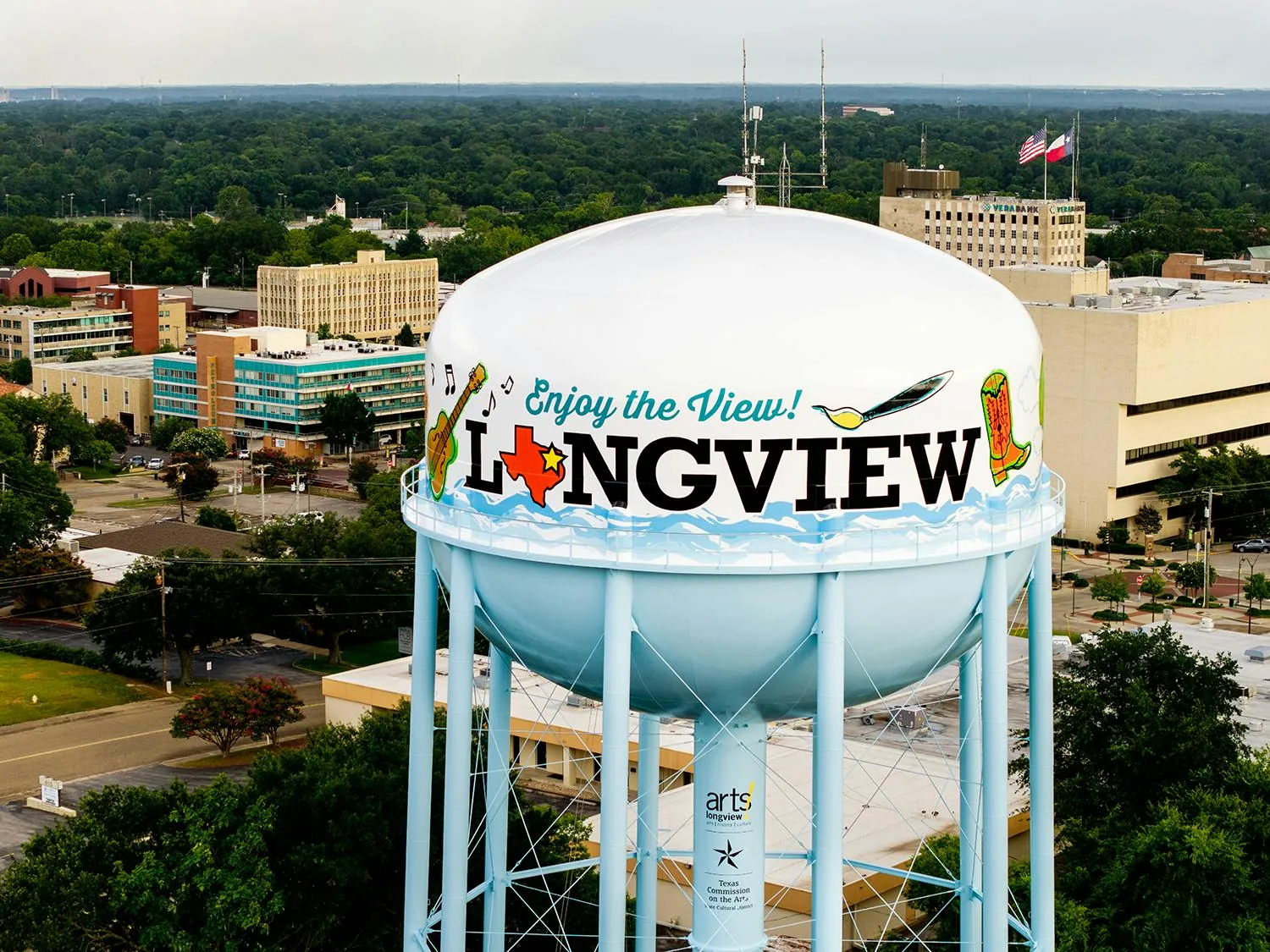
Historic structures, infill projects, and active storefronts make Downtown Longview a mixed-use commercial area where roof work must fit the building and the operating schedule. The City’s downtown plan envisions restaurant, office, retail, entertainment, and mixed-use activity, with reuse of older structures and new infill on vacant lots. We inspect the actual roof assembly, map leaks to roof zones, and plan repairs around tenants, entrances, and public areas. The district label never substitutes for a building-specific scope.
On an older property, a wall transition, parapet, drain, or later rooftop unit may have changed over time. We document what is visible, trace the water path, and separate confirmed damage from areas that need testing. Downtown Longview roofs can call for localized repair, flashing work, maintenance, or a larger renewal plan; the right choice depends on the condition at the building, not its age or neighborhood alone.
Inspect each roof section before choosing a repair
Begin with available drawings, service records, warranty documents, tenant reports, and the planned access route. If a building has a rear addition or a changed storefront, compare those project phases with the visible roof transitions. On the walk, check perimeter conditions, drains, seams, curb bases, wall flashings, and prior patches. A leak above one tenant may track to a detail in another roof zone, so the inspection maps the suspected route rather than limiting work to the room below.
For a reused structure, do not assume the concealed deck, insulation, or membrane matches the visible finish. If a test opening is warranted, define its purpose and restoration before the owner approves it. A commercial inspection can establish the roof baseline, and leak tracing can focus on an active report. The report names what was seen and what remains hidden, so later repair decisions are not built on a guess about earlier construction.
Protect entrances and occupied spaces during service
Downtown buildings often have front doors, shared walks, service alleys, and occupied rooms close to the roof work. Before staging, identify which entrance remains open, where materials can be lifted, and how pedestrians or tenants will be kept away from the work zone. If a repair could expose an interior ceiling, coordinate protection with the property manager and tenant. We plan the work area and temporary cover before removing material, then keep the owner informed when a concealed condition changes the scope.
A roof near restaurant or retail operations may have kitchen exhaust, signs, lighting, or mechanical equipment around a curb. Check each penetration and nearby flashing without assuming the tenant’s equipment history. A curb and support review can document those interfaces, while edge-metal service can address a loose perimeter. For properties with delivery or event hours, the site contact should reserve a safe lift window before materials arrive.
Give drainage details a deliberate check
On a roof with several additions or parapet lines, water can follow a concealed route before reaching a visible interior mark. Check the slope toward each drain, scupper condition, debris, ponding, and nearby seams. Note whether water is moving toward a wall or staying at a low area after ordinary drainage time. If the roof has a drain or overflow that cannot be reached safely, say so in the inspection record and set a separate access plan instead of marking it as clear.
Longview’s hot, humid summers and seasonal storms make drainage and flashing performance important to regular maintenance. A drain and scupper inspection can record outlet conditions, and scheduled maintenance can track debris, edge details, and previous repairs. When moisture below the membrane is suspected, testing should identify a specific zone and restoration method. Use a screening map to select a test location, then verify the assembly through an opening before labeling insulation as wet.
Compare a repair with a planned renewal
A limited defect may be repairable if the surrounding material remains attached and the tie-in reaches a sound edge. Repeated water reports, multiple failed transitions, or a broad area of wet insulation can require a wider scope. The owner should see which conditions are confirmed, which are allowances, and what a test would resolve. We can compare patching, selective replacement, recover, and full replacement when the field record supports those options, including access and protection costs that affect downtown work.
For a vacant lot infill or a building undergoing reuse, roofing can become one piece of a broader project sequence. The roof scope should identify where other trades will cut, mount equipment, change drainage, or install rooftop supports. A replacement assessment can phase removal and protection, while a recover review checks attachment and moisture before adding a layer. Design and permit questions stay with the owner and qualified project team.
When the roof has a history of phased renovations, ask the property team for permits, contractor closeout, and any change orders that describe added curbs or drainage. A quick comparison with the current roof plan can show where a separate inspection is warranted. We record a transition as its own condition instead of assuming it was part of the original work. That helps the owner plan a repair without disturbing a sound adjacent field.
Keep the roof history with the building record
Closeout identifies the affected zone, preparation, materials, repair dimensions, photos, and any test completed. If the crew opens the roof, record what was exposed and how the surface was restored. Show the remaining boundaries and access limits. This is useful when a tenant later reports water or when a renovation team needs to know which roof details were altered. Keep the record by building phase instead of blending repairs from different additions into one file.
Downtown Longview planning emphasizes reuse of historic buildings and infill. That context makes a clear roof chronology especially useful when ownership or tenant use changes. A condition report can preserve the baseline; owners needing commercial roof support elsewhere in the city can schedule service across Longview. For properties along US 80 and Marshall Avenue, coordinate the lift and delivery plan with the building's frontage and tenant access. Each downtown property still needs its own maps and maintenance history.
Plan a visit around the building’s daily use
Share the roof plan, interior leak location, prior work, warranty papers, tenant hours, and any restrictions on the sidewalk, alley, or roof hatch. Identify who can approve a test opening and who coordinates interior protection. If a storefront must stay open, tell us the entrance and delivery windows before the crew is dispatched. Emergency response runs around the clock, every day and through holidays; the immediate plan still needs a safe route and an owner contact.
We will inspect the accessible assembly, follow the reported water path, and return photographs with a repair boundary and any open test question. The property manager can then approve a defined repair or request a broader project review. That decision stays tied to the building’s observed roof condition and actual operating constraints.
Commercial Roofing Questions
Can you work over occupied Downtown Longview retail or restaurant space?
Yes. We coordinate access, staging, pedestrian protection, and interior cover with the property contact so the work can be sequenced around operating hours.
Do older downtown buildings need full roof replacement?
Age alone does not decide the scope. We inspect the assembly, moisture, transitions, and repair history before comparing localized work with renewal.
Will a ceiling stain identify the roof entry point?
Not necessarily. We trace likely paths through the roof zone and label a confirmed defect separately from any area that requires testing.
What should I send before a downtown roof inspection?
Provide roof plans, prior repair records, leak locations, tenant and delivery hours, access restrictions, and the contact who can approve a test opening.