
Johns Manville Commercial Roof Service in Longview, TX
Johns Manville Commercial Roof Service
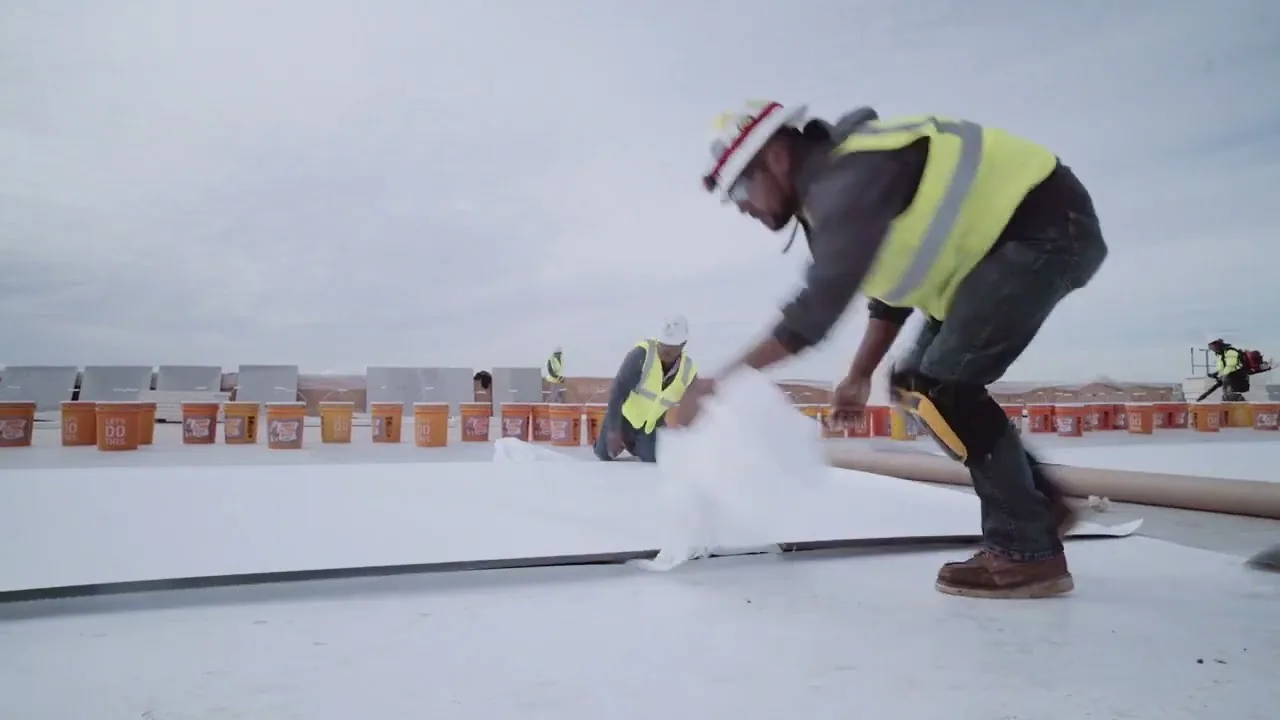
A Johns Manville name in a project file does not identify every layer now present on the building. The roof may include later repairs, a replacement section, new equipment, or a change in use. We compare available system documents with the field, label the roof zones, and describe which details can be confirmed. When water is reported, the scope follows the assembly and the observed entry path rather than assuming that the original specification still describes the current roof.
Longview's employer base includes manufacturing, healthcare, distribution, education, and retail, with sites spread across city corridors and business parks. South Longview's I-20 plan centers redevelopment near LeTourneau University, while North Business Park connects through FM 2275. Those local settings inform access planning but do not tell us which Johns Manville system is installed. We verify roof records and operating limits for the specific property before recommending maintenance or repair.
Read the system documents before choosing materials
Gather the executed warranty, product data, installation closeout, approved details, prior repair scopes, and any system-change records. Check the roof map against visible seams, transitions, drain bowls, edge metal, and rooftop penetrations. If documents list materials that cannot be seen at the roof, note their source and do not describe them as field-verified. Where an opening could confirm the assembly, state its location and what the finding would change in the repair scope.
Johns Manville's name can appear on different building records or phases, so system identification should stay specific to the asset and installation area. A GAF roof record or Soprema system file may have separate product requirements; do not transfer those instructions to this roof. The installed material and its current written detail govern preparation and tie-in. Keep the source document with the exact section it describes.
Trace a service call through the roof section
A stain, drip, or wet ceiling tile can appear far from the roof opening. We record the interior report, then inspect likely paths across seams, curbs, drains, wall transitions, and previous repairs. Where a roof contains several sections, the report identifies which field, addition, or perimeter is under review. A suspected leak path is not represented as confirmed until the evidence connects it to a roof detail or a suitable test.
Longview has hot summers and seasonal thunderstorms, which makes active water control and safe roof access important. The crew still determines the condition from the actual assembly. A commercial inspection can map nearby details, while leak repair service can focus on a reported entry. If equipment blocks the view, coordinate an approved lift with the mechanical contractor before describing the hidden membrane as defective.
Match the repair to the surface and substrate
Before adding a patch or new flashing, confirm that the surrounding material is attached, dry enough for the work, and compatible with the selected repair. Old coating, adhesive, mastics, prior patches, or contamination can change how a new layer bonds. We define preparation, removal limits, tie-in width, and field verification in the work order. If the substrate is soft or wet, document that condition before the area is closed and request approval for any added scope.
Longview's humid summer climate makes protection of an open roof important while work proceeds. The crew limits the exposed area and closes each shift at a stable tie-in. A drain correction may be needed if the reported leak reaches an outlet detail, and a maintenance visit can check adjacent seams and drains after the repair. These actions should be recorded separately so the owner can see what was a repair and what was routine upkeep.
Keep warranty review with the authorized owner
The property owner should read the actual warranty to find notice steps, maintenance obligations, required inspections, and repair approval conditions. We can document the visible roof condition and proposed scope for that communication. The manufacturer or warranty provider decides coverage and authorization. If the document cannot be found, say so in the asset file and ask the owner or prior manager to retrieve it before making a warranty claim.
When a project changes the assembly, drainage, or rooftop equipment, the owner and design team should confirm applicable local review with Longview before construction. Our inspection describes what is present and what work is proposed; it does not make a code decision. A warranty record program can retain notices and completed repair files. A condition report can preserve the current field observation that supports the owner's next action.
Give future crews a roof-zone history
Closeout identifies the building, system information available, repair zone, preparation, materials used, photographs, test result, and any remaining work. If an opening exposed insulation or deck, record what could be seen and what remains concealed. The owner should keep invoices, change orders, warranty correspondence, and field photos together. A later service team can then compare the current issue with the previous repair without repeating a search or assuming the same failure returned.
For a Longview property near South Longview and LeTourneau, North Business Park, or another city corridor, share the roof map, recent building changes, and access rules before the visit. Those records give the crew a reliable starting point even if facility contacts have changed.
Prepare the property file before the inspection
Send the plan, system submittals, warranty paperwork, past repairs, interior leak locations, and any equipment restrictions. Identify the person who can approve a test opening, the contact for rooftop mechanical work, and how the crew will reach the area. If a roof section is unavailable, note why and whether a later return can be arranged.
We will confirm the installed assembly where possible, record visible conditions, and distinguish repair work from testing or renewal. The owner receives a scope tied to the roof evidence rather than a generic recommendation based only on a manufacturer name.
For a property with more than one addition, compare the repair date and zone label with the project chronology before scheduling another opening. We can identify which documents correspond to the current field, list any section that could not be viewed, and specify what a selective test would establish. The owner can then request the missing drawing or approve the test with a clear reason. Keep that decision with the closeout so a future manager can see why the assembly description changed or remained provisional.
When a service ticket spans several sections, retain one image showing the building context and another that captures the actual detail. Put the date, zone, and repair limit in the caption, then store any test result beside the closeout. If the property team later replaces rooftop equipment or changes drainage, add that work order to the same chronology. The next inspector can compare what changed and avoid reopening a sound repair merely because a nearby component looks different.
Commercial Roofing Questions
Does a Johns Manville project file confirm the current roof materials?
Not always. We compare the document with visible roof details and later work records, then label any assembly information that remains unverified.
Can you work under an existing Johns Manville warranty?
The owner should check the executed warranty for notice and approval rules. We can document conditions and proposed repairs, while the provider determines authorization.
Will the report identify wet insulation?
Only if testing or an opening confirms it. We distinguish visible observations from suspected moisture and state which area needs further verification.
What should we provide before dispatch?
Share roof plans, system and warranty documents, prior repairs, leak locations, access requirements, and the contact for equipment coordination.