
Multi-Site Commercial Roof Programs in Longview, TX
Multi-Site Commercial Roof Programs
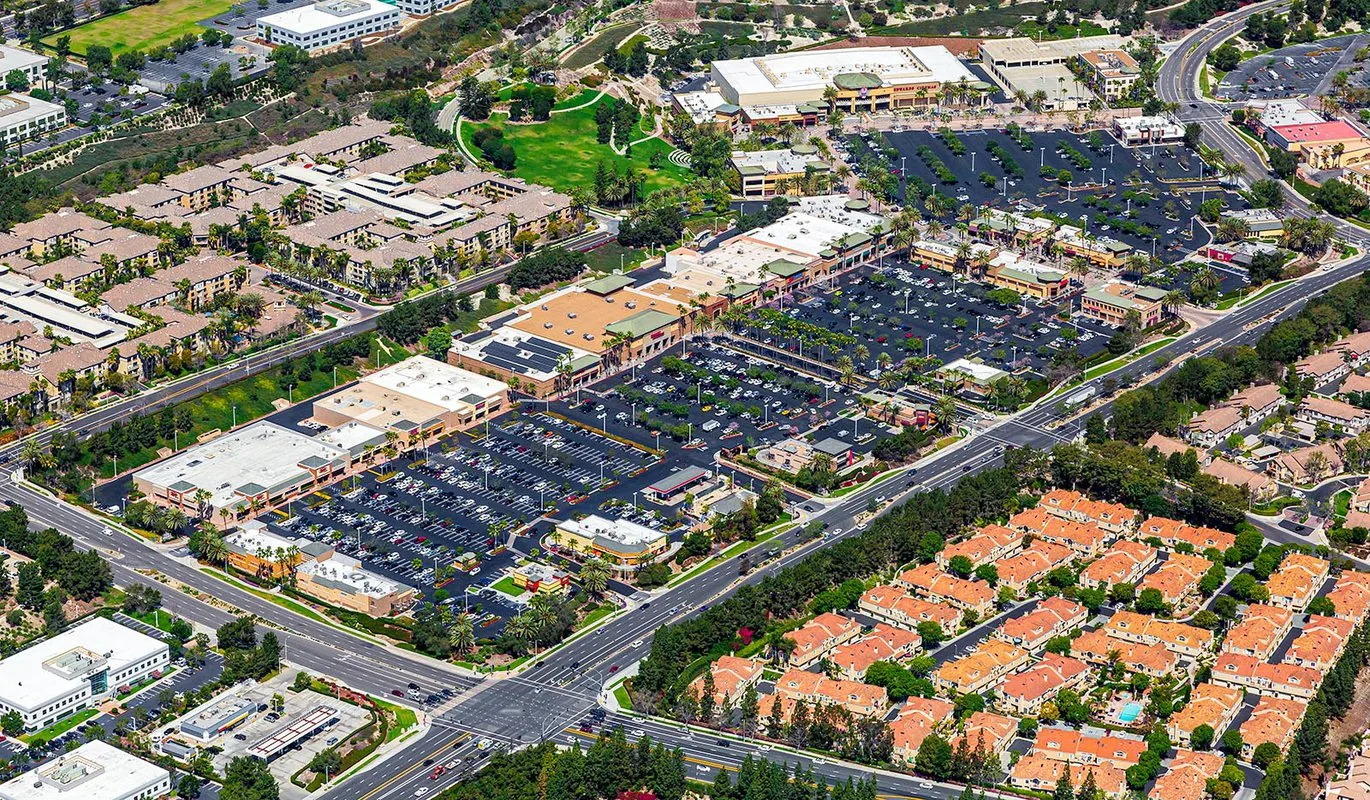
A regional roof program needs consistent reporting without pretending every building has the same system or service need. We use one set of inspection categories across the portfolio, while keeping photos, findings, repair scope, and access instructions attached to each asset. The manager can compare active leaks, test needs, maintenance, and capital work while retaining the detail behind each recommendation.
Longview-area operations may span Longview, White Oak, Kilgore, Hallsville, and Marshall, with commercial corridors and industrial parks between them. White Oak has its own city government and business-development organization; Kilgore highlights highway, airport, rail, and port connections. Dispatch across these communities depends on each facility’s gate, roof access, and operating schedule. Before grouping visits, we verify the property contact, current roof plan, safe entry route, and any escort or lift requirement.
Set a common record without flattening the assets
A multi-site program starts with a property list, building identifier, roof map, known assembly, access method, maintenance contact, and available repair history. We agree on common report fields so managers can sort findings consistently. Each facility retains its own roof-zone labels and photographs. If a system type or warranty is unknown, the record says so; it does not borrow details from a nearby or similarly named location.
The region's commercial base includes manufacturing, distribution, healthcare, education, and retail. These uses bring different restrictions: production windows, patient or student access, inventory protection, customer routes, and after-hours entry. A property management process can keep tenant coordination current, while school roof planning addresses campus-specific safety and calendar constraints. The program applies a consistent inspection record while retaining those building-level differences.
Sequence visits by geography and building readiness
Grouping nearby sites can reduce travel, but dispatch should follow readiness as well as distance. Before assigning a date, confirm roof access, escort, lift needs, tenant notice, equipment shutdown, and any space that cannot be entered. A building awaiting mechanical work may need a different sequence than one ready for inspection. We identify which assets can be included in the same field run and which need an independent trade or work window. The schedule can reserve a return slot for a locked hatch, weather delay, or tenant window that changes after dispatch. Each site receives its own arrival notice and contact so a late access change does not cancel an unrelated inspection.
Longview's US 259 connection serves its business park, while North Business Park links through FM 2275 and US 300. I-20 also connects Longview with Dallas-Fort Worth to the west and Shreveport to the east. Those routes help plan mobilization, but the property manager must confirm site access and delivery paths. A phased roof-work plan can coordinate an active site, and inspection scheduling can establish which zones are ready for the first visit.
Compare needs using evidence and consequence
When a dozen work orders arrive, the program needs a way to separate active water from planned maintenance. We record severity, water entry, affected function, test status, repairability, and any safety or access limit. A confirmed leak in a critical room may need immediate response; a surface condition without water entry may call for monitoring or a planned inspection. We identify the evidence behind each priority so the owner can adjust it for operational consequences.
Longview's July normal high is near 94 degrees, and hail and tornado events have been documented in the city. Portfolio managers can use that seasonal context to plan post-storm calls, while each roof report tracks a specific opening, test, or completed repair. Condition reports assign a follow-up owner and date to each building; emergency response can stabilize an active leak.
Keep scope and closeout consistent across contractors
For repeatable work, define how photos are labeled, which fields are required, what constitutes a completed detail, and how a change in scope gets approved. The contractor should report materials, repair limits, test results, and any remaining action for each roof zone. If concealed material changes the quantity, document it and obtain the required owner approval before extending the task. A standard closeout reduces the chance that one site's evidence disappears inside another site's invoice.
A maintenance program can use the same drainage and edge checks across buildings, with each finding recorded locally. For long-range work, capital planning groups verified projects by funding window. Those capabilities rely on complete field records, not one averaged condition score. The owner can set a vendor standard and still preserve different materials, repair histories, and access needs across the portfolio.
Coordinate local review and operating needs
Longview's Building Inspection Division reviews commercial building and site plans under adopted codes. A project that alters a roof assembly, drainage, or rooftop equipment may require design and City review. Other municipalities in the service area have their own authorities and procedures. A multi-site schedule should identify the jurisdiction for each property and assign the owner or designer to verify applicable requirements before construction starts.
For buildings in Longview, White Oak, Kilgore, Hallsville, or Marshall, provide the property contact, roof plans, operating restrictions, and any access or inspection approval required locally. The crew records site-specific findings and reports which local coordination remains open. A single regional service plan can manage the schedule without assuming one city's review applies to the entire portfolio.
Give leadership a useful portfolio summary
A quarterly or annual program report can summarize inspections completed, urgent repairs, open tests, budget candidates, and access issues. Each headline item links to the underlying property record with photographs and recommendations. The report should identify data gaps and label estimates that need additional measurement. A leadership summary is not a replacement for individual building reports; it is a map to the records needed for a decision.
We can help refresh the property list after acquisitions, sales, tenant changes, and completed replacements. Share the latest asset roster and identify who owns each next action. The program then remains useful to operations, finance, and facilities rather than becoming a list of roofs disconnected from current staff. Reconcile completed work orders against invoices and photos, remove assets that have been sold, and add the system records for new acquisitions. That simple review prevents stale locations and repair statuses from distorting the next budget summary. Assign a reviewer and completion date for the reconciliation by asset.
When an owner compares properties, each location needs its own roof plan, system record, access notes, and recommendation date. Use the same decision fields across the portfolio, but keep each observation specific to that building. Do not rank assets by a single symptom such as an interior leak count; drainage, assembly, repair history, and access all affect urgency. A quarterly review can then sort confirmed work from monitoring tasks and identify which local manager must supply missing records.
Commercial Roofing Questions
Can you schedule inspections across several nearby cities?
Yes. We can group visits by geography and site readiness, while confirming access, escorts, lift requirements, and local operating rules for every building.
Will a portfolio report combine all roofs into one condition score?
A summary can compare priorities, but findings remain attached to each building and roof zone. The report preserves different systems and evidence rather than averaging them away.
Can a regional program use one contractor standard?
Yes. Common photo, scope, and closeout fields can improve consistency. Material requirements, local approvals, and operating restrictions remain site-specific.
How do you choose which site gets inspected first?
We consider active water entry, building use, reported damage, access readiness, safety, and any deadline. The owner can adjust priorities based on operational impact.