
Commercial Roofing in Overton, TX
Overton
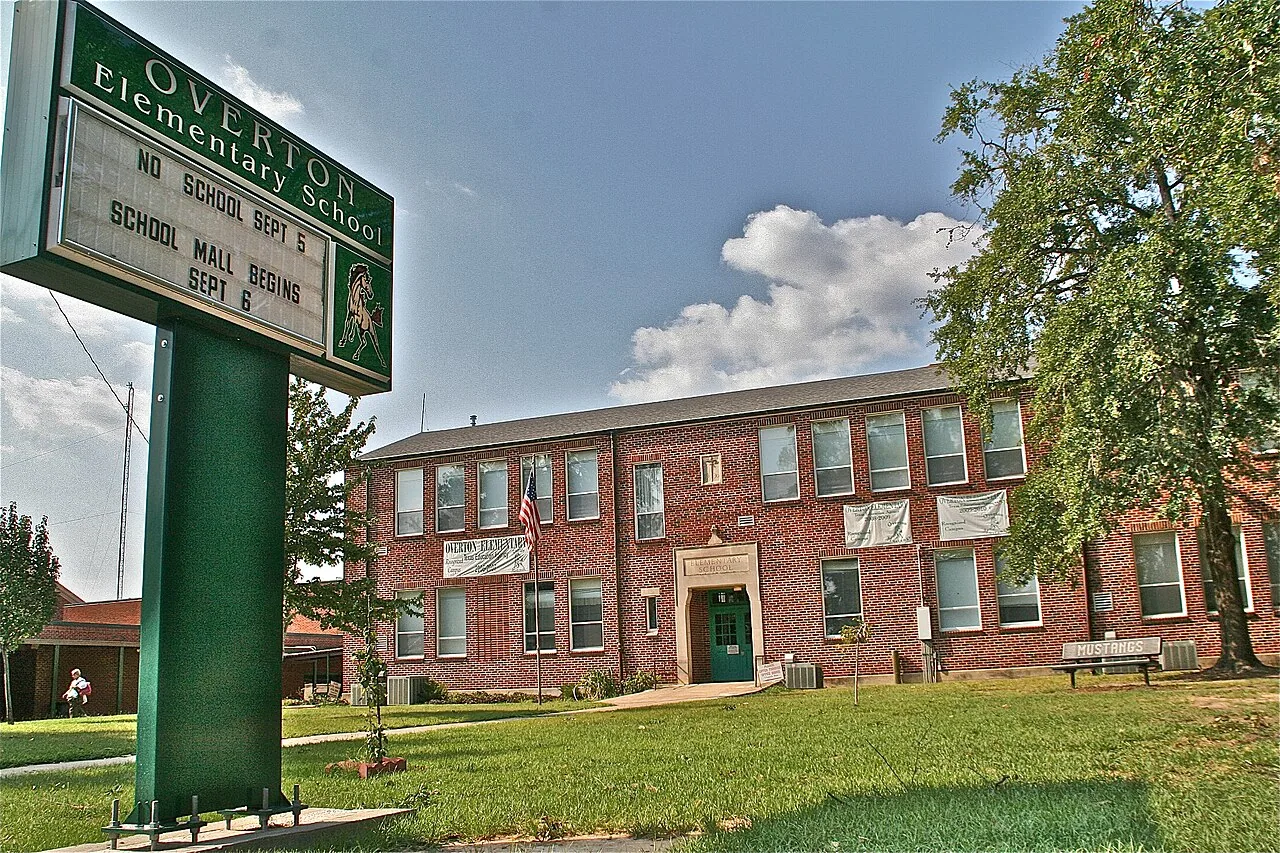
A leak over a local business or school needs a roof-zone inspection that gives the owner a defined repair decision. In Overton, we begin with the room where water appeared and the building's service record, then follow the likely path across the roof. Seams, drains, wall transitions, and equipment curbs are checked against the report before the crew sets a boundary or opens the assembly.
Overton lies about twenty-five miles south of Longview, ten miles south of Kilgore, and fifteen miles west of Henderson. The city also has an economic history tied to agriculture, oil, refinery activity, schools, and local businesses. That context guides questions about access and schedule, while the roof system comes from field evidence. A commercial roof inspection can document the assembly, reported condition, and any test needed before permanent work.
Account for the building's current operation
Overton's rail connections and local commercial activity are part of the city's development, but a property's present access and use must be confirmed with its manager. Tell us whether deliveries, classroom schedules, tenant hours, or industrial equipment limit the work area. We can mark roof zones on the plan and arrange a sequence that keeps an entrance, loading route, or occupied room protected while repairs proceed.
When a building supports agricultural, oil-related, or refinery work, the roof may have service lines or equipment transitions that need careful access. We do not assume those details are present. The facility contact can identify active equipment, shutdown authority, and any safety process before the crew climbs. A phased roof work plan can assign a boundary to each shift if the building must remain in use.
For an older building or an addition with incomplete records, separate what the file describes from what the crew can see. Compare accessible edges, flashings, seams, and mechanical penetrations. If the roof has more than one system or phase, show that change on the site map. The inspection can then identify which scope applies to the leak instead of using one material description for the entire property.
Trace the route instead of sealing the ceiling mark
Water that appears inside a room may have traveled along the deck or beneath the membrane before it reached the ceiling. We compare the interior location with roof slope, seams, drains, parapets, and previous work. If wind-driven rain is involved, inspect the edges and transitions that face the weather as well as the point directly above the stain. The report distinguishes a confirmed defect from a path that still needs testing.
Longview's hot, humid summer climate and regional hail and tornado exposure can affect service timing and post-storm inspection planning. Those Longview market facts do not prove that a storm damaged a roof in Overton. Note the event date, affected roof section, interior changes, and any visible displacement. Tornado-damage roof service can document edge, flashing, and membrane conditions, while drain and scupper work can check outlets where water has collected.
When a leak is intermittent, record the rain direction, duration, and whether the problem coincides with a particular process or rooftop unit. A second inspection may be needed if the first visit occurs after the surface has dried. If a test opening could clarify moisture under the roof, the recommendation should state exactly what that opening is meant to determine and where the owner must approve it.
Choose the repair after confirming the assembly
Project records, warranties, visible edges, and the roof itself are used together to identify the installed system. We check attachment, seam condition, flashing, old patches, and transitions between sections. If a prior roof project changed only one part of the building, the map should preserve that limit. The repair material and preparation method need to fit the surface that will receive the tie-in.
A bounded defect can be repaired when the adjacent material is sound and the proposed detail can connect to it. If removal shows wet insulation, damaged board, or a deck concern, photograph the opening and stop at the authorized work line. The owner reviews the finding before approving added removal. The written estimate names the work, measurable quantity, temporary protection, and any allowance for hidden conditions.
Recurring leaks in separate zones, failed attachment, or a surface that cannot support a durable repair may call for a broader review. A commercial roof replacement assessment can compare options by access, assembly, and work sequence. If the material is confirmed as TPO, system-specific TPO service can address its seam and flashing details. We do not select a product by building age or by the use listed in a city history.
Protect the roof between shifts
Longview's July normal high is near ninety-four degrees, and hot roof surfaces can affect how long a crew has to prepare and close a seam. Actual temperature, humidity, surface condition, and manufacturer instructions determine the work window at an Overton property. If a storm could interrupt the repair, the crew needs a temporary cover plan and a clear procedure for checking it until permanent work is complete.
Emergency response is available around the clock, including weekends and holidays, when water is entering an occupied space. Give the dispatcher the building contact, roof access route, affected room, and any restriction on raising a lift or shutting off equipment. We first address safe access and temporary control, then document what permanent repair remains. If the owner cannot approve opening material during the first call, the scope records the deferred decision.
Where a roof crew shares space with another contractor, identify who will restore each penetration or curb flashing. If an electrician or mechanical provider needs to work above the roof, agree whether roofing protection is required and who checks the finished detail. The final schedule should include that follow-up so a new leak is not assigned to a roof repair before the other work is reviewed.
Connect each repair to its map and history
At closeout, label the building and roof zone, list material information that was confirmed, attach photographs, and show the repair's stopping point. Note testing completed, sections that remained inaccessible, and any item awaiting owner approval. Keep the service notes with the roof plan, warranty, and prior invoices. That file lets another manager see what changed without reconstructing the work from a brief billing line.
Overton sits between Longview, Kilgore, and Henderson. Portfolio owners can compare service records across those places while keeping each roof map and condition separate. A Longview commercial service call, Kilgore roof visit, or Henderson inspection should start from its own building documents and access contact.
Send the leak report, marked roof plan, system records, maintenance history, operating schedule, and the person who can approve a test opening. We will inspect the accessible assembly, connect the roof details to the interior report, and return a defined next step. A clear record makes future maintenance more useful because the crew can revisit the same drain, seam, or curb and compare its present condition.
Commercial Roofing Questions
How do you trace a leak that appears far from a roof opening?
We compare the interior report with roof slope, seams, drains, walls, and prior patches, then identify a test if the water path remains uncertain.
Can repairs be coordinated with an operating school or business?
We plan access and work zones around the schedule, occupied rooms, deliveries, and shutdown limits the property contact identifies.
Does Overton's history identify the roof material?
No. We confirm the installed assembly from building records and visible details before choosing the repair preparation or material.
What happens when an inspection uncovers wet insulation?
We photograph the opening, protect the roof, and pause at the authorized limit. The owner reviews the condition before additional removal.