
Commercial Roofing in Kilgore, TX
Kilgore
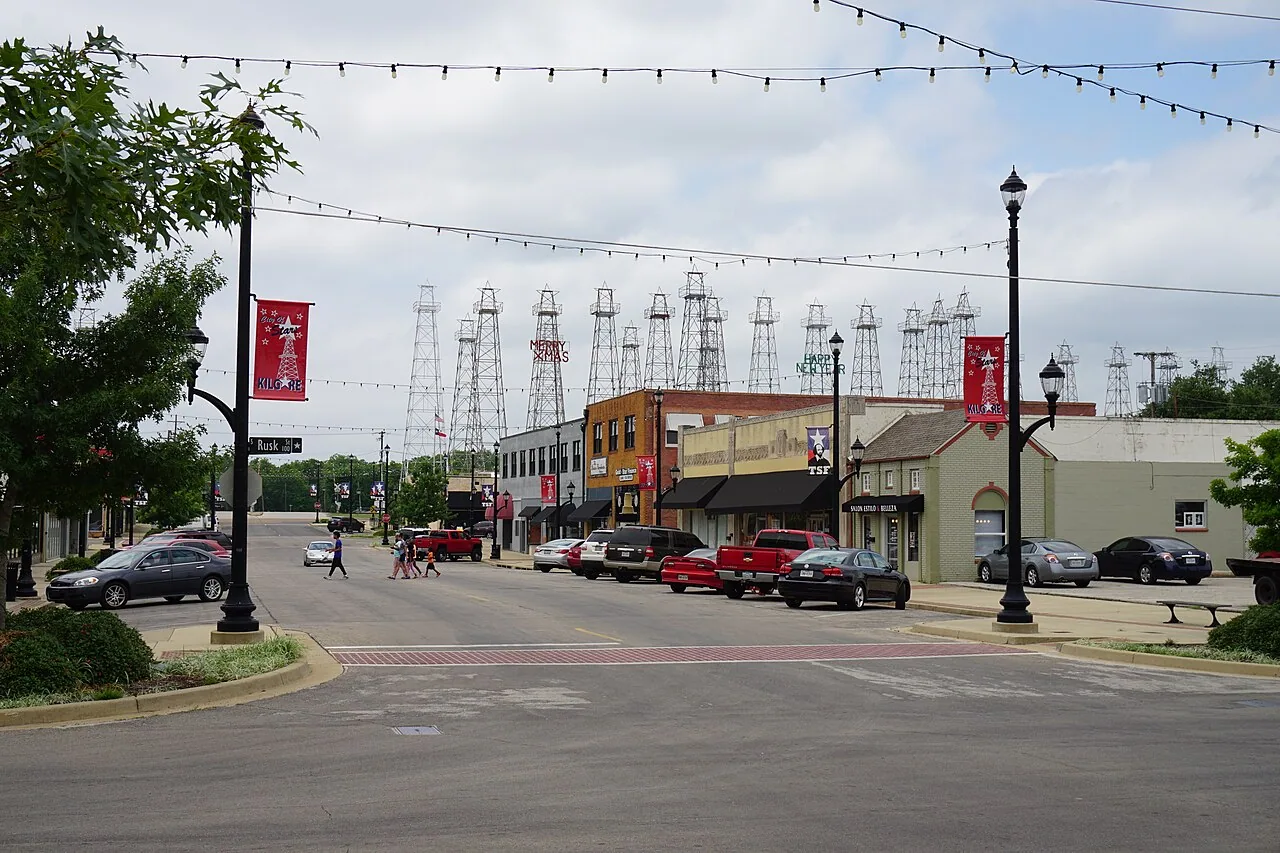
Commercial roof work in Kilgore can serve manufacturing, distribution, electronics, education, government, and laboratory properties. The city’s economic-development network emphasizes connections by highway, airport, rail, and port, while the local labor draw includes more than 70,000 goods-producing workers within an hour. Those facts describe the market’s reach, not any building’s roof size or system. We inspect the property, trace the reported condition, and plan work around operations and safe access.
Kilgore lies on the I-20 corridor, within the wider Longview commercial region. Longview's July normal high is near 94 degrees, and documented hail and tornado events make roof drains, seams, edges, and equipment transitions useful inspection points. A site visit identifies which detail is confirmed, what area remains hidden, and whether a repair can tie into stable material. The recommendation is based on the individual building and records available.
Match the service plan to the facility operation
A laboratory, production site, school, or government facility can have different access rules and work windows. The operations contact should identify which rooms or processes cannot be interrupted, whether an escort is needed, and where lifts or materials may be staged. At the roof, label the affected building and zone, check nearby penetrations and drainage, and record any mechanical work that occurred recently. If the inspection covers several structures, use separate asset records and schedules.
Kilgore’s employer base includes manufacturing, distribution, electronics, education, government, and laboratory businesses. That local mix can inform the conversation about access, but it does not reveal a roof assembly. A commercial inspection can document the visible details, while equipment curb service can check penetrations and supports. The system is verified from documents and field conditions before a repair material is specified.
For a manufacturing or distribution site, ask the operations lead where trucks, overhead doors, or production lines constrain a ladder route. A laboratory or public building may have other access approvals, escort needs, or occupied-hour restrictions. The same roof inspection can be sequenced differently depending on those controls. We identify which section the crew will reach, how long the route is available, and what protection is required below before setting the work order. If a later visit needs a test opening, the report names the approval contact and the interior area to protect.
Coordinate the route from the highway to the roof
The city’s highway, airport, rail, and port connections support commercial movement around Kilgore. Before a roofing visit, the property team still needs to provide the exact gate, site address, roof access point, and safe staging plan. Confirm whether trucks, rail-side operations, or tenant deliveries limit arrival times. The map should show which building is included and which areas are excluded from the visit so a later report does not imply a full-site inspection.
For a property in Synergy Park, we plan access around the site contact, truck routes, and the industrial operation. Owners with other facilities can request service in Longview, with a separate roof record for each city. Those links do not combine the properties into one asset. We keep each roof plan, warranty, access contact, and work history with the facility it describes.
Find where water enters the building
Record the room, time, weather, and recent work associated with a water report. Then inspect the corresponding roof zone, following slope toward seams, drains, curbs, wall transitions, and previous patches. A drip inside can be offset from the roof opening, so the report distinguishes the symptom from a confirmed defect. If more than one detail could carry water, note what test would identify the source instead of sealing every nearby joint.
Kilgore's I-20 location supports regional commercial access. We trace a reported leak from the building interior to the roof detail rather than infer its cause from the route. A leak investigation can focus on the active report, and a drain review can examine outlet conditions in the same zone. If the roof needs moisture testing, mark the proposed opening and explain how the result could change the scope before the owner approves the work.
Separate measured repairs from future needs
A small repair may be sufficient where the failure is localized and surrounding material remains attached. If a test exposes wet insulation, damaged cover board, or a compromised deck, document it and obtain approval before increasing the work boundary. For facilities with several roof sections, measure each separately. The estimate should state the preparation, repair length or area, access needs, and allowances for conditions that remain concealed.
For a building that supports production or distribution, a repair window can be planned around shipment schedules and process constraints. A phased reroof can establish daily stopping points, while replacement planning can outline removal, dry-in, equipment coordination, and closeout. The owner can compare these options once the field evidence shows whether the concern is isolated or extends across multiple roof zones.
Preserve the service history by building
Closeout includes the building label, roof zone, documents reviewed, repair preparation, materials, photos, tests, and the boundary of work completed. Identify any area the crew could not inspect and what access is needed next. If another trade opened or modified a penetration, note the contractor and date. This record lets facilities staff compare a later problem with the prior repair and assign the correct next step.
Kilgore’s goods-producing labor draw and transportation connections can support regional operations, while Longview’s market contains additional manufacturing, healthcare, distribution, and education employers. The roof asset record can keep each site’s repairs and warranty papers separate. For an owner with several sites, we keep each building’s condition report and service history on its own record.
When more than one building sits under a facility manager’s responsibility, record the roof-zone identifier on every photo and invoice. A portfolio schedule can group visits by route, but each report should remain attached to the correct property and system record. That makes it easier to compare maintenance needs over time without carrying one building’s repair scope into another asset.
Prepare the file for a useful inspection
Provide roof plans, system and warranty documents, service history, leak locations, access requirements, and any production, lab, or public-service schedule that could affect work. Identify who can approve testing, coordinate equipment, and protect the interior. For an urgent call, emergency response is available around the clock, every day and on holidays. A safe roof route and a direct site contact help the crew begin water control promptly.
The Kilgore visit ends with a roof-zone record, photographs, and a priced recommendation tied to the observed condition. When moisture testing or design review could change the remedy, the written scope identifies that pending decision before work expands. The property contact can authorize the repair, test, or renewal option with its limits clear.
Before a follow-up visit, confirm the roof access contact and keep the current site plan with the building’s service record.
Record the inspection date and the roof zones the crew reached.
Commercial Roofing Questions
What types of commercial properties do you service in Kilgore?
We work with commercial, industrial, education, government, and other facility teams. The roof system and scope are confirmed at each property.
How do you establish the repair area on a Kilgore roof?
We measure the affected roof zone from field conditions and available plans, then list the repair area separately from any concealed-condition allowance.
Can you schedule around production or shipping?
Yes. Share the site’s operating windows and access requirements so the crew can plan safe staging and daily closure.
What should I send before an inspection?
Provide roof plans, warranty papers, prior repairs, the interior leak location, equipment work orders, and site access instructions.