
Commercial Roofing in Henderson, TX
Henderson
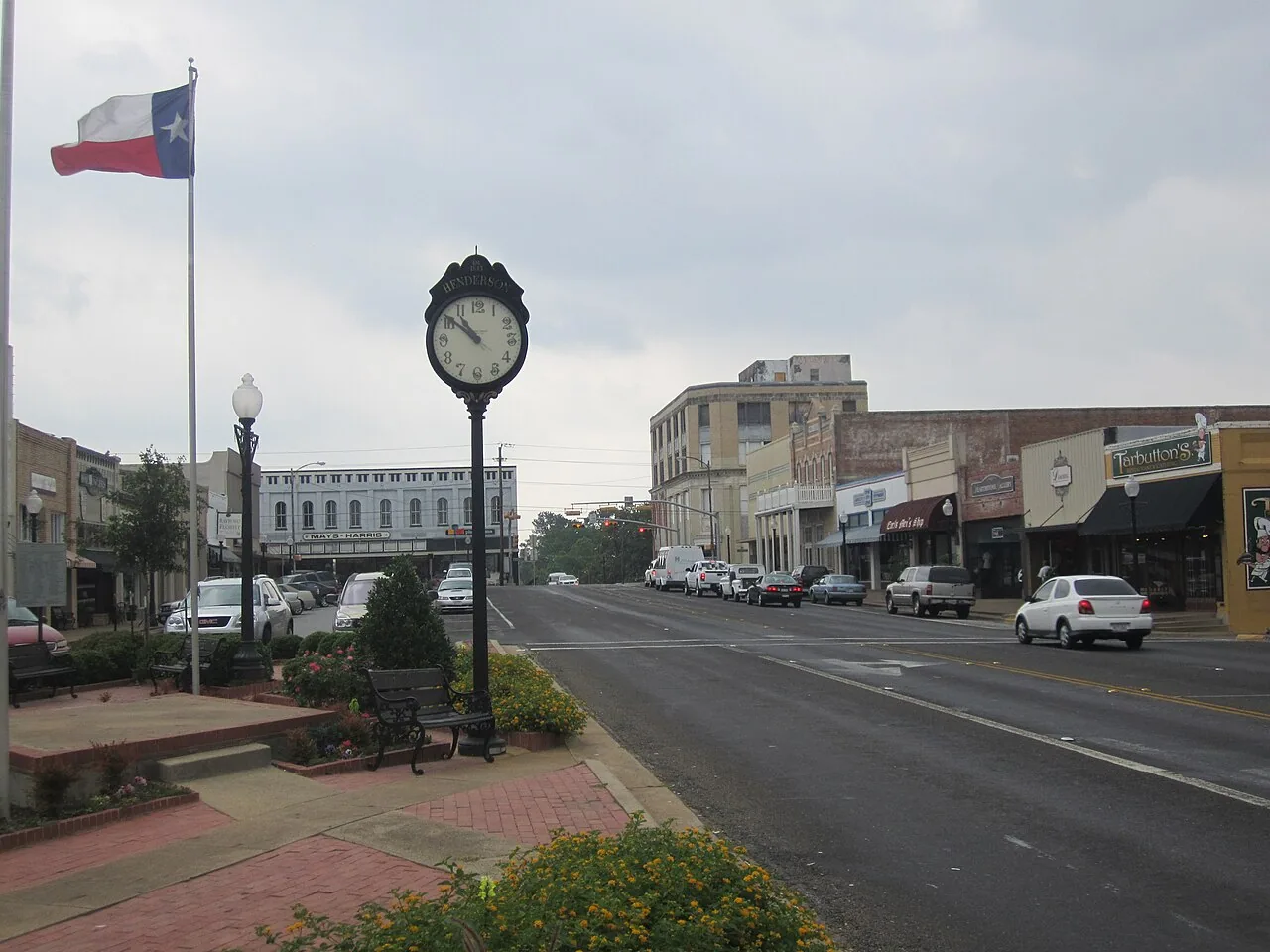
A water report above a shift's work area deserves a roof map before anyone authorizes a repair. Henderson's industrial activity includes agriculture, food processing, metal fabrication, timber-related work, and specialty manufacturing. We use that context to ask about roof access, shutdown limits, exhaust, and deliveries, then inspect the actual assembly rather than assume what covers a building.
Henderson also has highway service and a short-line railway. Those logistics details can shape a facility's daily schedule, but the roof recommendation still comes from visible conditions and records. Send the building plan, affected room, past repair notes, and an operations contact. A commercial roof inspection can record seams, curbs, drainage, and the likely water path before the work boundary is priced.
Keep roof work clear of production
On a processing or fabrication site, a useful service plan starts with the areas that cannot be interrupted. Identify production hours, sanitation or housekeeping limits, deliveries, overhead equipment, and any roof zone that requires an escort. If the crew needs to move materials across a yard, confirm the route and staging area first. That lets the field visit cover the right details without crossing an active work path.
Longview's industrial market includes manufacturing and distribution facilities, and Synergy Park in Kilgore is oriented toward modern manufacturing. Each operation and roof file remains separate. The team maps the Henderson building's affected area and notes which exterior or interior access is authorized. A planned maintenance visit can then be timed around the site calendar, with items grouped by roof zone instead of interrupting the full facility.
Food-processing, timber, or metal-fabrication work can involve rooftop exhaust, service lines, or frequent equipment changes, depending on the building. We inspect only what is present and record the details around it. If a mechanical contractor has recently worked above the reported leak, include the service date and equipment location. A newly disturbed curb or pipe penetration may need attention, while an unrelated rooftop unit should not expand the repair scope without field evidence.
Find the entry point before opening the roof
A ceiling mark may sit downslope from a failed seam or curb. We compare the interior report with roof slope, drainage outlets, equipment transitions, wall terminations, and older repairs. When the route is not clear, the inspection records each plausible path and the evidence needed to distinguish them. That keeps a small room stain from turning into an arbitrarily large roof scope.
Longview's hot, humid summer conditions and documented storm exposure apply to the regional market, not as proof of damage at a particular Henderson facility. After a storm, preserve photographs of visible punctures, displaced metal, or interior changes and note which roof areas were accessible. A hail-damage roof review can document impact evidence, while a condition report connects photographs and observations to a marked plan.
For a leak that appears only during a certain process or shift, record when the water starts, which equipment is running, and whether washdown or condensation could be involved. The crew then checks the roof zone against the interior timeline. A moisture reading, test cut, or other verification should answer a defined question. The report separates a confirmed opening from an area that may need more access before the owner approves permanent work.
Match the repair to the installed roof
Industrial property does not identify whether a roof is TPO, metal, modified bitumen, or another assembly. We compare project records with visible edges and transitions, especially where additions or equipment work changed a section. The inspection identifies the material we can verify and calls out any area where a drawing, warranty, or test is needed. That protects the repair from relying on an assumed system description.
Once the assembly is known, the crew checks whether the surrounding material can accept the proposed preparation and tie-in. Metal work may require attention to fasteners, panel movement, laps, and perimeter flashing. A membrane repair may need a clean receiving surface and a seam detail consistent with the installed product. Modified-bitumen system service applies only when records and field details support that identification.
When a test cut shows saturated insulation, failed cover board, or deck deterioration, we photograph the exposed layers and hold at the agreed boundary. The owner reviews that evidence before approving additional removal. A replacement evaluation may be the better course when defects span separate zones or the existing material cannot receive a reliable repair. The written options separate immediate protection from permanent renewal.
Set a work sequence the facility can support
Henderson's short-line rail connection and industrial mix make delivery and yard coordination relevant to many facility schedules. Before a lift or material shipment is booked, identify the receiving contact, vehicle entrance, staging restrictions, and any time when a loading lane must remain open. The roof plan should also show which doors or production areas need interior protection if a repair exposes the deck.
For a site that remains operational, divide the repair into work zones and define how each will be left at the end of a shift. A temporary cover, exposed seam, or open test area must have a clear protection plan if weather or production delays permanent closure. Emergency service is available around the clock, seven days a week, including holidays. The facility contact should be ready to direct the crew to the affected area and approve safe access.
A complex scope may require coordination with engineering, a mechanical vendor, or the local plan-review process. Longview's Building Inspection Division reviews commercial building plans under adopted codes; Henderson work should follow the applicable local authority's requirements. We document the roof condition and proposed construction detail, while the owner coordinates any design, permit, or review decision required for the property.
Give the next manager a usable service history
Closeout should identify the Henderson building, roof zone, observed system, work performed, preparation, photographs, and any test result. If a section could not be reached, the report states the barrier and the access needed for a return visit. Preserve the roof plan and warranty documents beside the service record so a later manager can match the repair to the correct section.
Owners managing assets across Henderson, Longview, and Kilgore can use a common file standard without combining the properties. A Longview roofing visit or service at Synergy Park in Kilgore gets its own map, photos, and approval record. That makes differences in roof assembly and operating rules visible when a portfolio team compares work across East Texas.
Before requesting service, send leak locations, roof plans, repair invoices, system records, access hours, and the person who can approve testing. We will inspect the accessible area and return a defined recommendation. If maintenance is the right next step, the schedule can note which drains, seams, or equipment transitions require attention and when the facility can make those areas available.
Commercial Roofing Questions
Can roof work be scheduled around a Henderson production shift?
We can plan access and staging around hours and shutdown limits supplied by the facility, then divide work into protected zones where the roof scope allows it.
Does a food-processing or fabrication use tell you which membrane is installed?
No. We use the project file and field details to confirm the material, attachment, and transitions before selecting a repair method.
What should I do if a leak starts during a storm?
Protect people and equipment inside, note the affected roof zone, and call for emergency response. The crew will document the opening and safe next step.
When might a test opening be needed?
A test is useful when concealed moisture or a deck condition could change the repair. We identify the question first and seek approval before opening the roof.