
Aircraft Hangar Roofing in Longview, TX
Aircraft Hangar Roofing
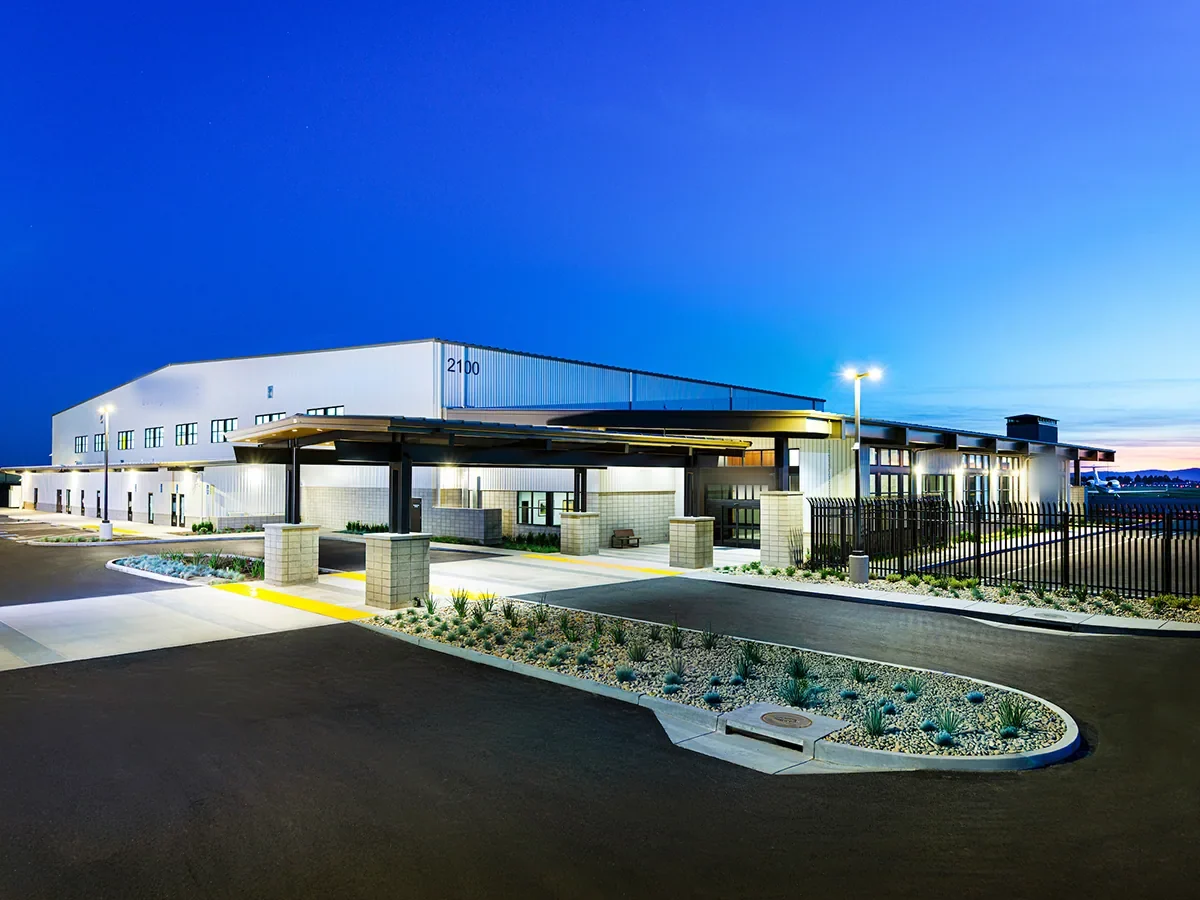
A hangar roof has to stay clear of door movement, aircraft servicing, and overhead equipment while keeping water out across a long span. We inspect the roof field, perimeter, door-head flashing, gutters, and penetrations before setting a repair limit. A leak near a track or support may involve movement at the interface rather than a failure in the center of the roof. The inspection records which assembly is present and how the facility can maintain access during work.
Gregg County identifies a 300-acre industrial park and Foreign Trade Zone associated with East Texas Regional Airport, which serves Longview and the surrounding region. Gilmer also lists Fox Stephens Aviation Industrial Park and an airport used by local industries. Those aviation settings make access coordination relevant across the market, but they do not establish a hangar's roof condition. We confirm door schedules, airside rules, equipment clearances, roof drawings, and prior repairs with the operator.
Coordinate roofing with hangar operations
Aircraft movement and maintenance work can limit when a crew reaches the roof or stages materials. We identify the hangar door that must remain operable, service zones below the work, vehicle routes, and any escort or check-in process the operator requires. If an area must close, staff receive the boundary and schedule before the crew arrives. Equipment lifts are placed where they do not interfere with doors, taxi lanes, or emergency access.
East Texas Regional Airport offers daily American Eagle service to Dallas/Fort Worth. Before work, the site contact confirms facility schedules and access requirements. We follow the operator's site procedures rather than assume an access route. A phased work sequence can keep one hangar bay available while another roof area is repaired, if the roof geometry and tie-ins allow a safe separation. Every shift ends with exposed sections protected against weather.
Inspect the door head and perimeter assembly
Large hangar doors move against tracks, guides, and structural framing. We inspect the roof-to-wall transition above the opening, door-head flashing, fasteners, sealant, and nearby gutters. Door vibration or movement can stress a termination, and water may follow the frame before appearing inside. The repair scope distinguishes roof membrane work from door-system work and states whether a door technician must adjust or verify the assembly before closeout. We also confirm whether the door can cycle during the work or must remain parked in one position.
At sidewalls and corners, we check coping, metal edges, downspouts, and the connection between roof and wall panels. A edge and gutter correction can restore a loose or open perimeter detail. If the leak follows a membrane seam, a leak investigation traces the entry before any broad patch is applied. Photos show the track and roof zone so later maintenance can find the same interface.
Match the repair to a long-span roof
Hangars may use metal roof panels, low-slope membranes, or a combination across additions and attached shops. We identify panel profile, membrane type, fastening, insulation, and prior coating before selecting a repair. On metal, a loose fastener, failed panel lap, or damaged curb calls for a different correction than a puncture in a single-ply membrane. The scope notes the substrate and tie-in requirements rather than treating all large roofs as the same system. Long spans also need a safe access method that avoids unapproved loading on panels or suspended equipment.
On a metal hangar, long panel runs, exposed fasteners, and door-end transitions need a close look where heat and movement stress the details. We photograph a loose fastener or open seam and confirm the panel profile before specifying a repair. A standing-seam assembly needs panel-specific detailing; TPO uses welded seams and compatible flashing. The installed material controls the method.
Keep roof runoff away from doors and equipment
Runoff can collect at low points or discharge near a hangar door, apron, or service entrance. We inspect gutters, downspouts, drains, scuppers, overflow routes, and the roof slope leading to each outlet. A blocked route may be maintenance; a failed connection or low section needs a repair decision. Water direction matters because a correction should not move discharge toward a door track or equipment staging area.
A hangar's broad roof can expose drainage and perimeter problems across several bays. We check the outlet path, door-line flashing, and panel or membrane transitions, then identify the affected bay on the roof plan. If water remains after outlets are cleared, we check slope and substrate before specifying an adjustment. A drain and scupper repair can restore a failed outlet detail.
Separate hangar repairs from aviation equipment
Lighting, ventilation, exhaust, fall-protection systems, and suspended utilities can complicate access over an aircraft. We identify each item, keep service clearances in the plan, and coordinate disconnection with the facility's qualified technician. A roof repair should not leave a wire, duct, or support without its original attachment. The owner receives a scope that identifies roofing work and any separate equipment action required before the area returns to service. The closeout records any temporary removal and confirms which system owner signs off on its return.
For a roof with several additions, a building-by-building inspection can prioritize active leakage, loose metal, and repair history. A flex-industrial roof plan shares attention to mixed systems and tenant operations, while hangar work adds door and aviation access controls. A warehouse roof review can address loading and logistics access, while the hangar scope focuses on its doors, clear-span structure, and aviation operations.
Return the aircraft operator a usable roof record
Closeout records the hangar bay, roof zone, material, perimeter or door detail, and completion photos. We note any door, equipment, or drain item that another technician must confirm. The operator can then connect the work with maintenance records without relying on a memory of where the crew stood. If part of the roof remained inaccessible, the report names the limitation and the return visit needed. We also state whether temporary weather protection remains in place and who is scheduled to remove it.
For aviation facilities in Longview, provide roof drawings, door schedules, airside procedures, equipment maps, and leak reports before inspection. We coordinate with the operator and return a defined work boundary with a weather-protection plan. The same record supports the next inspection and helps staff keep aircraft movement, maintenance, and roof access coordinated.
Around a hangar door, inspect the roof edge and wall junction without allowing a repair plan to interfere with door movement or aircraft clearance. The facility contact should identify any safety limits before the crew stages tools. Photograph the perimeter detail and check water direction at the door head, downspouts, and adjoining field. If the opening is large or wind exposure is a concern, document the actual securement and design questions separately rather than treating a visible sealant gap as the entire problem.
Commercial Roofing Questions
Can a hangar remain in use during roof repair?
Often, if the work can be divided by bay and door movement, aircraft access, and staging are coordinated. The facility operator sets any airside or service restrictions before mobilization.
Why inspect the door head during a roof leak?
Water can enter at the roof-to-wall transition and follow the door frame before reaching the interior. We inspect the track, flashing, membrane edge, and nearby drainage together.
Can you repair both metal and membrane hangar roofs?
Yes. We identify the existing assembly first, then choose a compatible panel, seam, flashing, or membrane repair method for the actual roof zone.
What access details should an airport operator share?
Door schedules, check-in and escort rules, aircraft or equipment locations, lift limits, and emergency routes help set a safe plan for the roof work.