
Commercial Roof Insurance Claim Assistance in Longview, TX
Commercial Roof Insurance Claim Assistance
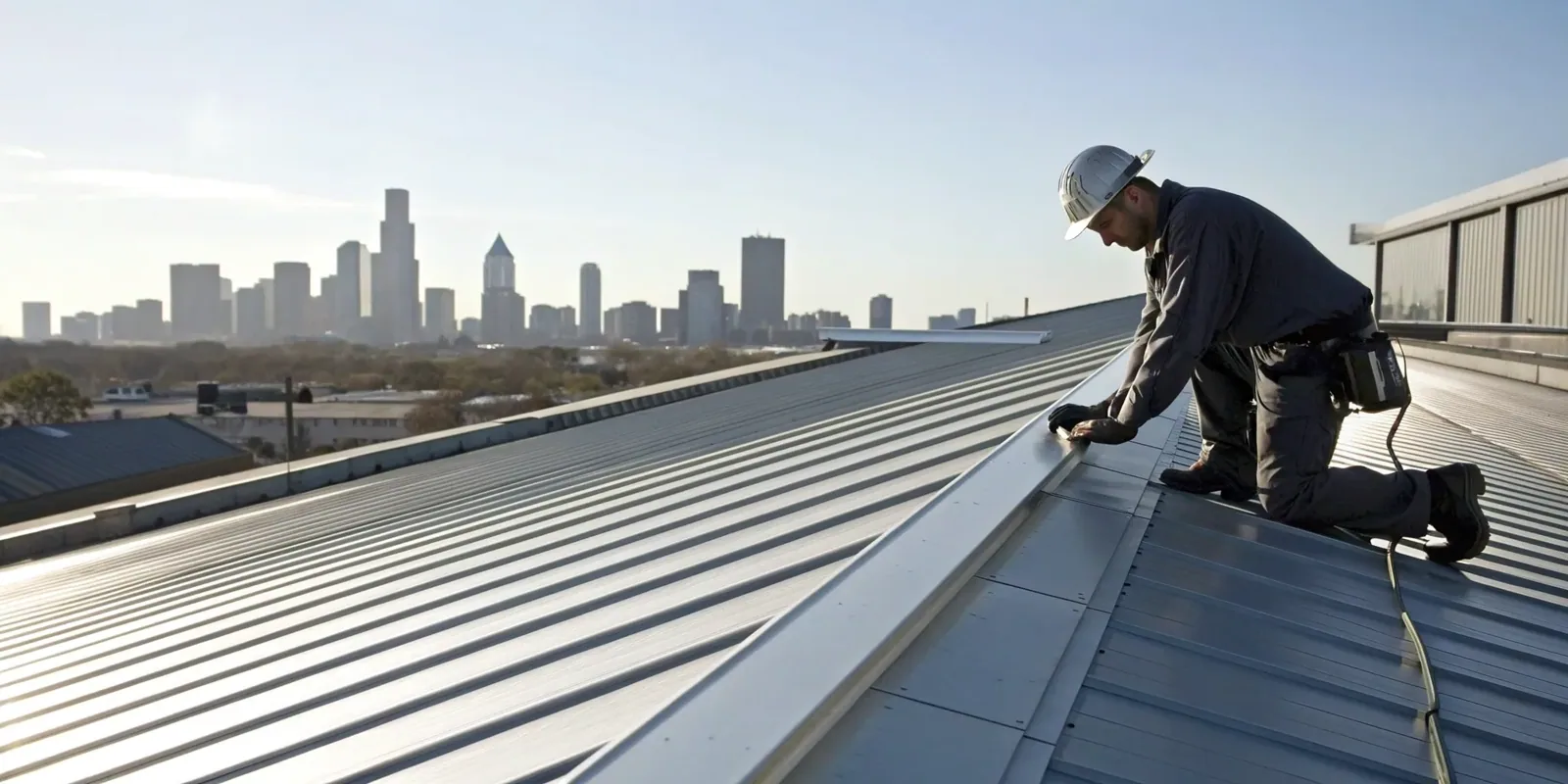
A roof claim file is only useful when the photos, inspection notes, and repair scope point to the same roof zones. In Longview, TX, we document observed conditions after a reported event, explain how water could enter the assembly, and separate emergency protection from permanent repair. The owner receives a field record tied to actual openings, seams, metal details, and interior symptoms. We do not decide coverage or interpret policy language; the insurer makes that determination. Our role is to make the roofing evidence clear enough for the owner and claim representatives to review.
Longview’s record includes hail and a tornado track that caused roof and tree damage in the city. This supports storm readiness, not a damage conclusion at any address. A property may also have prior leaks, patches, or aged details. We record what was visible and tested, and where timing remains uncertain. A Longview Business Park warehouse and a downtown office bring different access needs; each claim record follows field conditions.
Stabilize active water entry and preserve the condition
When water is entering, we first confirm whether roof access is safe and identify what can be protected below. A temporary cover or localized weatherproofing may reduce exposure until a permanent detail can be repaired. We photograph the condition before and after stabilization when circumstances allow, label the measure as temporary, and state what remains open to weather. If wind, lightning, standing water, or damaged access equipment prevents a safe roof walk, we stop at a clear boundary and arrange a return visit. A rapid emergency repair response can limit immediate exposure without substituting for a full damage survey.
We organize the inspection around when water appeared, where it showed indoors, what temporary steps were taken, and prior repairs. Those details are compared with the roof plan and drainage direction. Since water can travel inside the assembly, marked photographs identify the suspected entry point rather than relying on a broad label such as “north side.”
Record observations without overstating cause
The roof survey checks field seams, perimeter metal, coping joints, curb corners, penetrations, skylights, drains, and nearby wall transitions. For suspected hail, we record marks on membrane, coatings, metal, and accessories, noting whether damage is distinct from existing wear. For wind, we examine edge securement, open laps, displaced flashing, and rooftop attachments. If an assembly opening is needed to determine insulation or deck condition, we identify the test location and photograph each layer. The record distinguishes direct observation from interpretation, especially when an older patch or deferred maintenance complicates the timeline.
Longview has a recorded hail report in Gregg County and a 2008 tornado track that damaged roofs in the city. We inspect the affected building and document the observed condition for the claim file. We note weather and access limits rather than using regional reports as proof of site damage. A commercial roof inspection documents accessible zones; storm damage repair turns confirmed conditions into a scope.
Build an evidence file the owner can follow
A well-organized roof file includes the inspection date, event information provided by the owner, areas reached, photographs with location labels, test openings, observed materials, and recommended work. We show broad views for context and close views of the specific seam, flashing, impact mark, or puncture. If moisture is found, the note says where it was measured or observed and what sample was opened. If a roof area could not be reached, that limitation is named rather than hidden. These distinctions make later review more direct and help avoid treating an uninspected zone as confirmed sound.
We separate immediate protection, permanent repair, and optional investigation. The estimate describes preparation, materials, removal limits, tie-ins, and closeout photos. Concealed conditions remain a field-confirmation item. An organized condition report can join the property’s maintenance file and help staff compare roof zones.
Keep claim coordination within the roofing scope
Owners often need a consistent point of reference as the building operator, insurer, adjuster, and repair team review the roof. We can explain our inspection findings, identify photographs, and clarify how the proposed work addresses a specific detail. Policy interpretation, claim negotiation, coverage decisions, and approval remain with the insurer and the owner’s chosen representatives. If additional roof areas are requested for inspection, we note the new scope and any access needed. When a hidden condition appears after repair starts, we photograph it, protect the opening, and wait for direction before adding work outside the approved scope.
Longview includes industrial, distribution, healthcare, education, and retail operations, each with possible loading, equipment, and access limits. We plan around those restrictions and record any roof zone not reached. Along I-20, deliveries may shape staging; Downtown Longview can require attention to pedestrian and tenant routes. These logistics affect the field plan, not coverage.
Move from inspection to a repair decision
The owner can compare temporary stabilization, targeted repair, replacement, or further investigation. Each option is tied to material condition and its proposed boundary. A seam repair may fit dry adjacent membrane; widespread wet insulation or deck damage can require broader removal. If cause remains uncertain, a test may answer more than another patch.
Repair timing depends on safe access, material availability, surface dryness, weather, and the need to keep operations open. A phased occupied-building sequence can protect entries and work zones when the facility remains active. Before work begins, we review approved limits, equipment constraints, staging, and daily dry-in expectations. At completion, photographs show repaired details and any excluded area requiring separate attention. The final record is roofing documentation; it does not state that an insurer has accepted the claim or that payment is assured.
Leave the owner with a complete roof record
Closeout should connect the initial condition to the completed work. We provide dated repair photos, materials used, completed limits, concealed conditions encountered, and items needing follow-up. If the insurer or owner requested a particular document, we identify whether it was included or remains outstanding. Maintenance staff can then compare future leaks with the claim repair and see whether the issue returned at the same tie-in or appeared in another roof zone. Good records are practical operating documents as well as claim support.
Share the event date, roof plan, prior repair history, leak locations, photographs, access limitations, and any scope already provided by the insurer. We will inspect the assembly, document observed conditions, and provide a clear roofing scope for your review. For a Longview property, a commercial roof inspection in Longview should include the details and operations that matter at that specific building, not a generalized statement based on local storm history.
Commercial Roofing Questions
Will your inspection determine whether the insurer must pay?
No. We document roof conditions and repair needs; coverage depends on the policy and the insurer’s review. Our report separates field observations from unresolved questions so the owner has a clear roofing record to share with the appropriate claim representative.
Can you inspect before an adjuster visits?
Yes, when access is safe and the owner authorizes the inspection. We photograph conditions, record temporary measures, and identify areas that need opening. The report gives the owner a dated record of observed conditions, photographs, and repair options to share with the insurer.
What if the roof already had leaks before the storm?
We record known repair history and distinguish visible prior work from conditions observed during the current visit. Where a roof walk cannot date a defect, we say so. Comparing dated photographs, work orders, and test openings can clarify what changed without assigning unsupported cause.
Can repair work begin while the claim is under review?
Urgent protection may be needed to limit ongoing water entry, but the owner should coordinate documentation and authorization with the insurer. We can record the temporary action and prepare a permanent scope. Work beyond the agreed limits requires review before the scope expands.