
Carlisle SynTec Commercial Roof Service in Longview, TX
Carlisle SynTec Commercial Roof Service
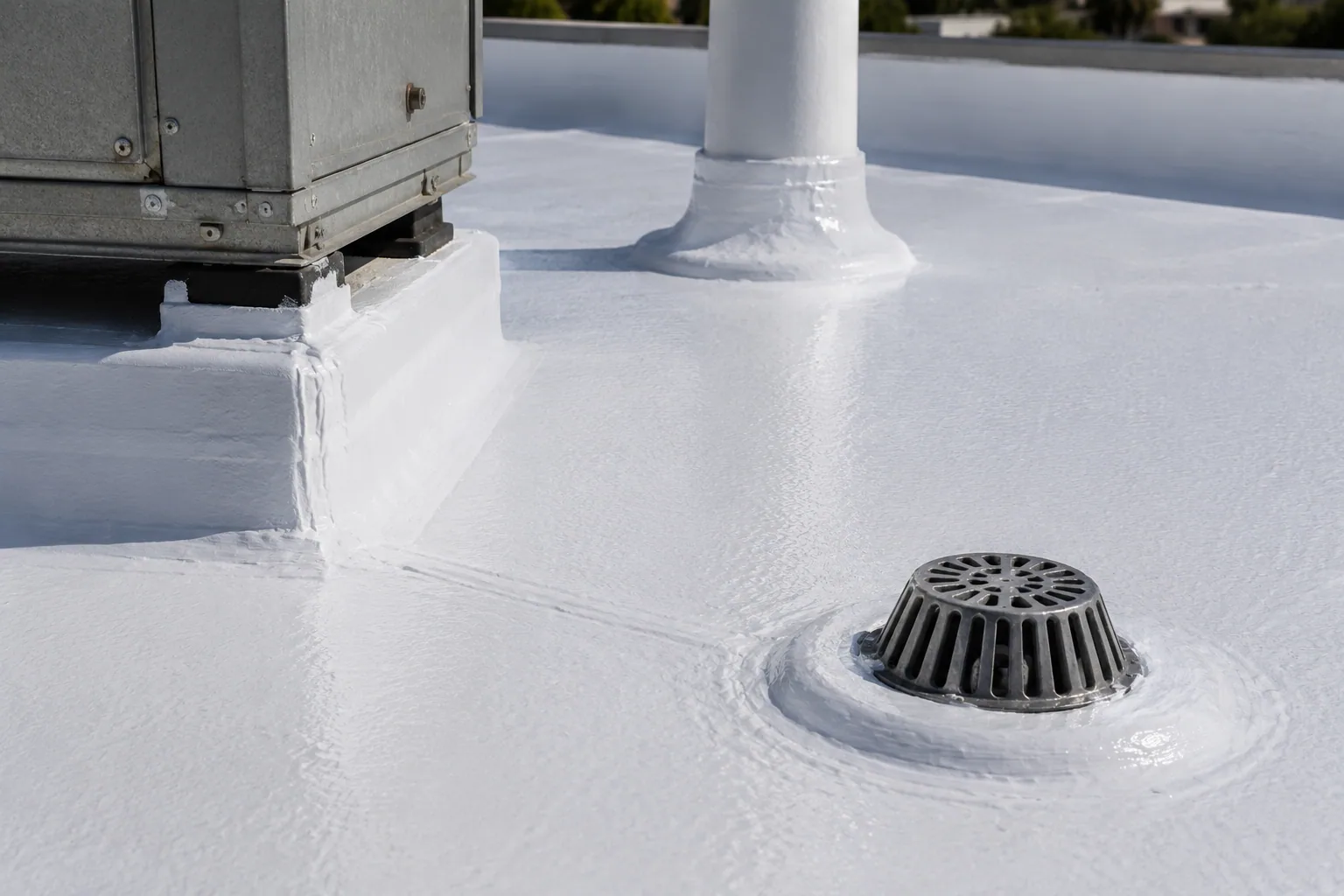
A Carlisle SynTec record can cover a specific roof assembly, but the brand name alone does not confirm which material, attachment, or warranty applies to a building. We review available submittals and repair files, compare them with visible seams and transitions, and record what can be verified. When water is reported, the inspection connects the roof zone to the likely entry path and identifies whether a repair can tie into stable material.
Downtown Longview includes planned reuse of historic buildings and infill, while the East Texas Regional Airport Airpark is an aviation-oriented commercial area with highway and rail access. These settings can affect staging, rooftop access, and operating windows. They do not identify the roof system or its condition. We confirm the building's records and site rules before applying any manufacturer-specific detail to the work scope.
Verify the installed assembly before selecting a detail
Review the executed warranty, product data, installation records, prior repairs, and any available roof map. Check whether a later overlay, coating, equipment change, or patch altered the original assembly. At the roof, inspect visible seams, membrane transitions, perimeter terminations, curbs, and drain details. If documents conflict with the field, document the discrepancy and identify what label, sample, or opening would resolve it.
We do not assume that every roof carrying the Carlisle SynTec name uses one repair approach. The actual material, substrate, existing layers, and written system instructions control the scope. A Johns Manville system review and Versico documentation can involve other product histories. Keep each building's records separate and use the installed system to guide preparation, tie-in, and field verification. Record the roof section, seam orientation, drainage points, cover layers visible at existing edges, and any transition between original construction and later additions. When project files show more than one phase, the field report should map where each material changes instead of applying one description across the entire footprint. If no representative edge is accessible, state what can be confirmed from the current view and what would require an opening. That distinction helps an owner request the right records before approving a repair.
Follow the seam and termination through the roof zone
A leak near a seam may begin at a curb, parapet, drain, or previous patch instead. We inspect the full visible lap and its ending points, check surrounding material for movement, and compare the reported interior location with slope and drainage. A separated joint, a puncture, and a failed edge are recorded as different conditions. The report states which part is confirmed and whether concealed moisture or substrate condition needs a separate test.
Longview's commercial stock includes industrial parks, retail areas, healthcare facilities, and downtown properties. For each asset, roof access and interior operations affect how far a crew can inspect in one visit. An inspection visit can map adjacent details, and leak tracing can focus on the active water report. Neither service replaces manufacturer documentation when a covered detail is involved. We can create a repair map that shows the seam or perimeter location, adjacent penetrations, and extent of any test performed. A manager can compare this map with the original construction drawing and determine whether a later project crossed the same joint. If a leak returns, the next inspection begins with the previous work record and checks whether water is entering at the repair, a nearby detail, or an unrelated area. That process reduces repeat visits that only restate the original complaint.
Prepare the surface for a compatible repair
Before a patch or flashing correction, we identify whether the existing surface is clean, dry, attached, and compatible with the proposed material. Loose layers, old sealant, coating, or a prior patch can affect adhesion or weld quality. If an opening shows wet insulation or damaged cover board, the owner sees the finding before the repair expands. We define what material will be removed, what will remain, and how the repair reaches sound substrate.
Longview's July normal high is about 94 degrees, so we check surface temperature and product requirements before installation or repair. The crew checks actual roof and material conditions against current product instructions. A coating restoration scope requires suitable adhesion and substrate; it is not a default solution for an unknown assembly. If the roof needs broader evaluation, replacement assessment should show why repair cannot address the observed condition.
Coordinate warranty and project decisions with the owner
The property owner should review the written Carlisle SynTec warranty for notice, maintenance, and repair-approval requirements before altering a covered roof. We can document the condition, provide photographs, and describe the proposed repair. The manufacturer or warranty holder determines whether the terms apply and whether a repair is authorized. If the warranty cannot be located, the report says so and identifies what document the owner should request.
Longview's Building Inspection Division reviews commercial building and site plans under adopted codes. A project changing the assembly, drainage, or equipment can require design and municipal coordination. The roofing visit provides field observations, not a permit decision. A warranty tracking file can keep notices and service records with the asset. The contractor should not represent a warranty as active or transferable without the responsible party's confirmation.
Return details the next service team can verify
Closeout names the roof zone, system information available, material used, repair length or area, surface preparation, photographs, and field check completed. If the work opened the roof, the report notes the visible substrate and any material removed. Remaining test needs, access limits, and maintenance recommendations are listed separately. These records help the next crew identify the installed repair before selecting another product or opening a nearby detail.
For a building in East Texas Regional Airport Airpark, Downtown, or another Longview commercial area, share roof drawings, service history, warranty papers, leak locations, and access requirements before the visit. We will return the observations and repair boundary tied to that asset.
Send records before the roof visit
Include the building map, product submittals, warranty correspondence, known leak locations, repair invoices, and any restriction on equipment shutdown or roof access. If a separate vendor works on the rooftop units, identify the contact who can approve its activity. We will confirm what the field team can inspect and which system questions may require manufacturer or designer input.
The result is an owner-ready record of visible conditions, proposed repair, and unanswered questions. That lets the facility decide whether to proceed, test, or defer without relying on a brand label alone. Keep the report with the system file and note who approved each follow-up. If a repaired location is monitored, identify the observation date and the roof detail to revisit. A named zone lets maintenance staff compare the later visit with the same seam or transition, even if the original caller or service vendor is no longer available.
Commercial Roofing Questions
Does a Carlisle SynTec label identify the full roof assembly?
It is a starting point. We compare project records with roof details and note any later changes or unresolved material questions before proposing a tie-in.
Can you repair a leak on a Carlisle SynTec roof?
Yes, when the installed material and surrounding substrate support a compatible repair. The scope follows the observed failure and written system instructions.
Do you contact Carlisle about warranty approval?
The owner controls warranty notices. We can supply photos and field observations, while the warranty holder determines approval and coverage.
What information helps the repair visit?
Send the roof plan, warranty or product documents, prior repairs, active leak area, site access rules, and contact for rooftop equipment.