
Solar-Ready Commercial Roofing in Longview, TX
Solar-Ready Commercial Roofing
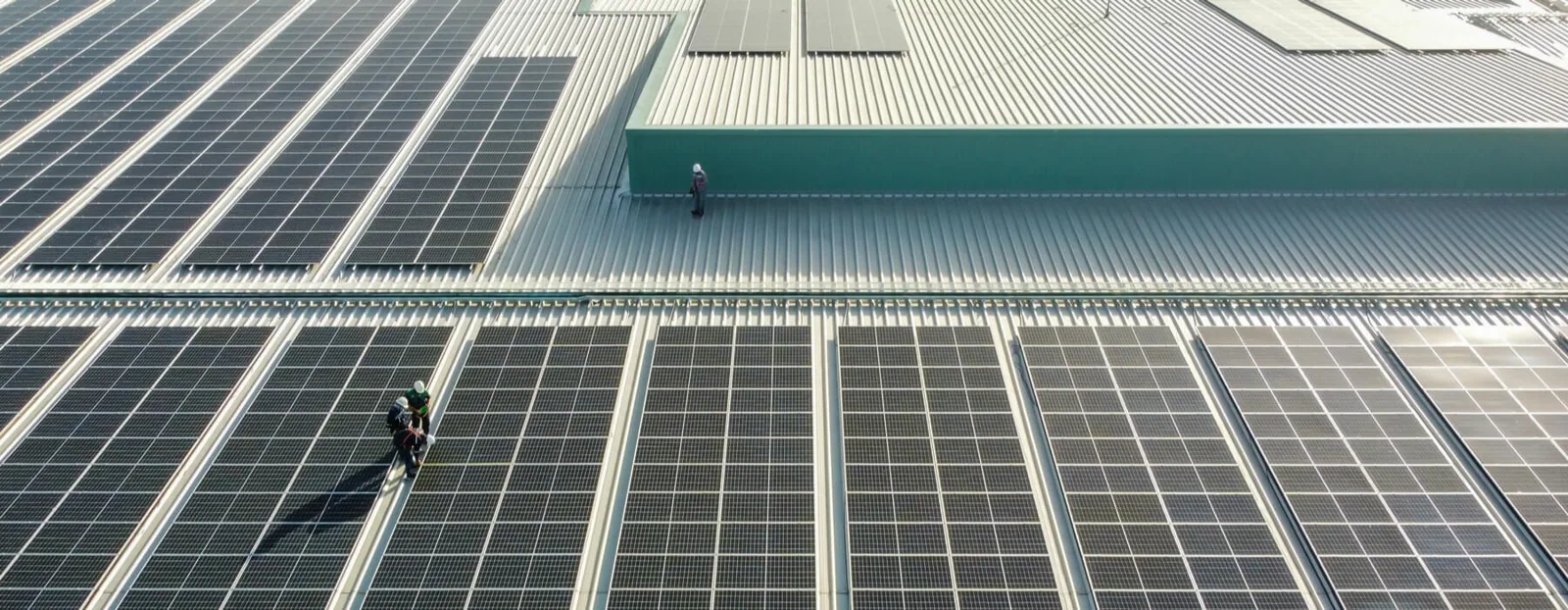
Solar equipment adds penetrations, supports, service routes, and loads to a roof that still needs to shed water. Before an array is installed, we check membrane condition, attachment, drainage, curb height, and the roof's remaining service life. A new array can make future repairs harder to reach, so the roof plan needs to address access beneath and around the equipment. The roofing scope identifies compatible attachment and flashing details without assigning structural capacity that requires an engineer's review.
Longview's hot summers make roof exposure and access important parts of solar planning. The designer can evaluate array output after the building's structural capacity, roof condition, and electrical scope are reviewed. A building near the South Longview and I-20 planning area may have different access and construction constraints from a facility in Longview Business Park. We document roof zones, mechanical equipment, walk paths, drains, and penetrations so the solar designer can coordinate with the existing assembly. The project begins with roof condition and operational requirements, not a panel layout alone.
Check roof life before adding long-term equipment
An array should not be installed over a roof that is near failure or has unresolved wet insulation. We inspect seams, flashing, field membrane, prior repairs, and the deck where accessible. If a roof replacement is likely within the array's planned service period, doing the roof first may prevent later removal and reinstallation costs. A commercial roof inspection can identify active defects and the next tests needed before the owner selects a solar schedule.
Longview has hot summers and documented severe-weather exposure, including an EF1 tornado track that reached the city in 2008. Before adding solar equipment, confirm the existing assembly, repair history, drainage, and access zones during a roof inspection. If moisture is suspected beneath the membrane, an infrared moisture survey can help choose test cuts. We confirm the findings through openings and make a repair or replacement boundary before rooftop equipment blocks access to the area.
Separate roofing attachment from structural design
Solar racking transfers dead, wind, and maintenance loads through attachments or ballast to the roof and structure. The roof contractor reviews the proposed penetration or attachment detail, coordinates membrane compatibility, and flags conditions that require structural design. We do not determine load capacity from a roof walk. The engineer and solar designer need building information, equipment layout, attachment reactions, and any applicable project criteria before approving a mounting plan.
On a low-slope roof, the array can also change wind exposure at parapets and corners, create shade, and complicate drainage. A project team should preserve access to drains, expansion joints, roof hatches, and HVAC service zones. Longview's Building Inspection Division reviews commercial building and site plans under adopted codes. Set the project schedule around the applicable permit and plan-review steps, and coordinate roof details with the design team before rooftop equipment is installed.
Detail penetrations and protect the drainage plane
Each attachment that passes through a membrane creates a transition that needs a compatible boot, curb, or engineered flashing detail. We coordinate the mounting plan before installation so penetrations do not land in a seam, drain sump, or area that cannot be reached for future repair. Flashing must turn into the roof system and maintain its termination height after any cover board or protection layer is added. If the array uses a non-penetrating design, ballast weight and its effect on drainage still need review.
Longview's I-20 corridor and South Longview include commercial and institutional activity with operating buildings that may not have long shutdown windows. We plan the roof work around access, deliveries, and equipment status, and identify how each open penetration will be secured if work pauses. A drain and scupper review checks whether array rows or cable paths interfere with existing runoff. A perimeter detail review can address attachment and flashing where the array approaches roof edges.
Reserve service paths for roof and solar equipment
Roof technicians need clear routes to drains, HVAC units, hatches, and electrical equipment after solar panels are in place. We mark walk pads and service lanes on the roof plan and coordinate panel spacing with access requirements. The array should not block a curb that needs periodic service or cover an area where a future repair may require membrane access. Cable trays and conduits also need support that does not abrade the roof or direct water toward a flashing detail.
Before mobilization, the owner should establish who is responsible for moving panels if a future roof repair reaches beneath the array. We record the contact and access requirements with the roof documents. A phased occupied-building plan can coordinate the roofing portion with tenant schedules and solar installation windows. If the property includes several buildings, a multi-site roof program can sequence condition checks and access by asset.
Plan repairs around installed panels
For a roof with an existing array, the first step is a coordinated access plan. We identify panels, supports, wiring, junction boxes, and the repair zone, then determine whether the roofing crew can reach the failure without disturbing energized equipment. The solar contractor may need to de-energize or temporarily remove equipment. We do not cut or move array components without that coordination. Roof repairs should leave wiring supported and clear of standing water and foot traffic.
If a leak appears under or near the array, we trace the path across the roof and inspect attachment points, seams, flashing, and adjacent drainage. A leak repair evaluation can identify the roof correction, while a condition report can document areas that remain inaccessible. The report states what was checked and where a panel lift or additional test is required, so the facility manager can arrange work with the solar service provider.
Keep the roof and array records together
Closeout should include roof plan revisions, attachment and flashing details, service routes, drain locations, and any work completed around the array. Photos show penetrations and tie-ins before they are covered. The owner should retain both the roof assembly information and the solar equipment layout so later maintenance crews can locate concealed transitions. If structural or electrical review is pending, the record identifies that separate responsibility rather than treating the roofing scope as complete.
In Longview, share the proposed array drawing, current roof records, leak history, equipment locations, and expected operating schedule. We will inspect the roof and coordinate the membrane work, drainage, and access details with the project team. A solar-ready roof decision is strongest when it resolves roof life and serviceability before the panels limit access.
Before adding supports or planning a future array, review the roof map, remaining service needs, drainage, and access route for maintenance. A structural professional must evaluate the proposed loads and attachment design; the roofing inspection records the membrane and penetrations but does not replace that analysis. Keep each planned support location coordinated with the system detail and warranty requirements. If the roof needs repair or renewal first, sequence that work before solar equipment blocks the area or adds new penetrations.
Commercial Roofing Questions
Can solar panels go on any commercial roof?
No. The roof condition, remaining service life, structure, drainage, access, and attachment method all matter. We inspect the assembly and coordinate structural questions with the project engineer.
Should the roof be replaced before solar installation?
That depends on its condition and the expected timing of future roof work. If failure or replacement is near, addressing the roof first can avoid removing panels later to reach the assembly.
Who checks the roof structure for solar loads?
A qualified structural professional reviews the proposed loads and building structure. We coordinate the roofing attachment and membrane details with that design, but do not certify structural capacity from a roof inspection.
Can a roofer repair a leak beneath installed panels?
The array and electrical equipment need coordinated access. We locate the roof failure, then work with the owner and solar provider to make the equipment safe and reach the repair area.