
Commercial Roofing in Tyler, TX
Tyler
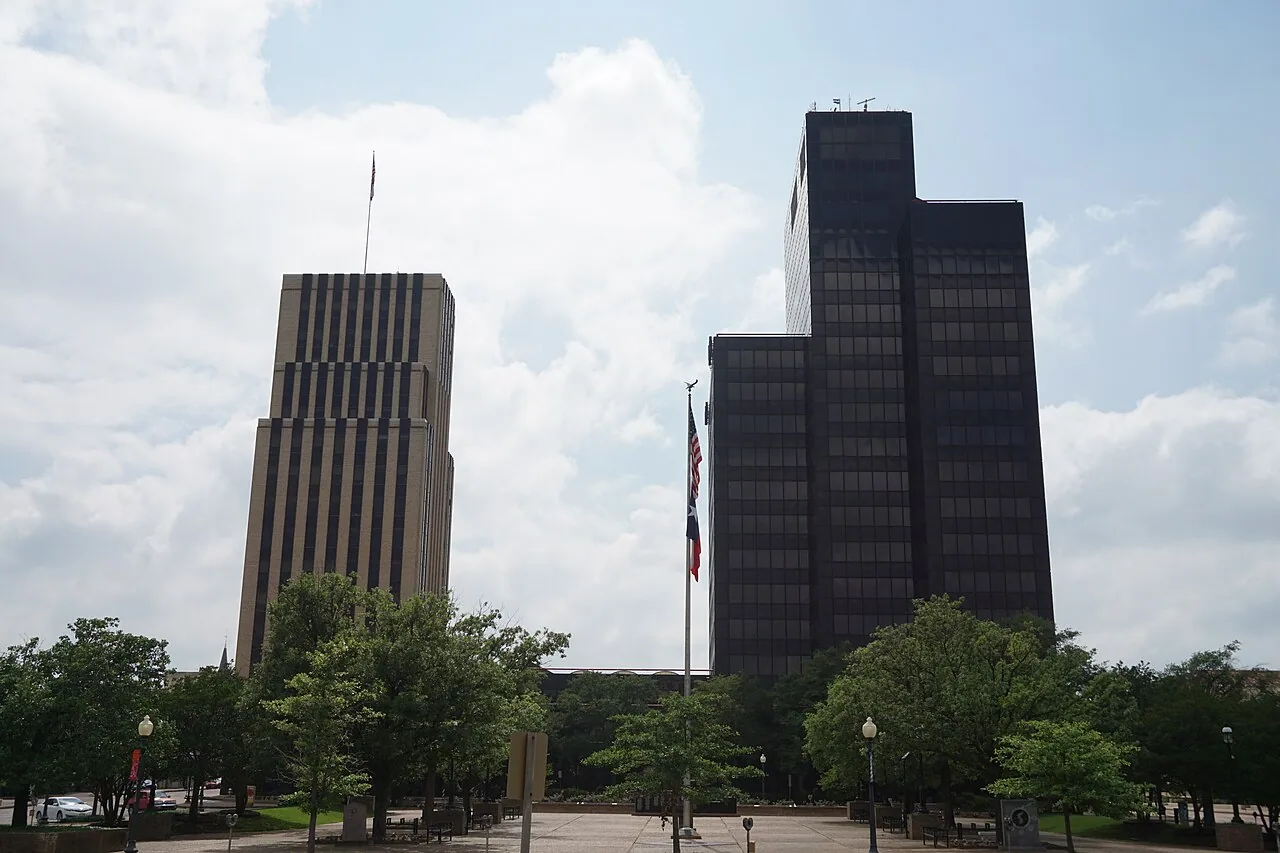
A water mark near a mechanical room or occupied office should lead to a roof map, not a patch placed directly above the stain. Tyler serves as an East Texas center for higher education, healthcare, and economic development. We use that building context to ask who controls access and what operations must continue, then inspect the actual roof zone, trace the likely water path, and document what a repair can address.
Tyler's planning program includes focus areas for Midtown, North End, Texas College, and UT Tyler. These districts help locate planning activity; they do not identify the roof material at a particular property. Provide the site plan, leak history, interior location, and operating schedule. A commercial roof inspection can record visible conditions and establish whether a controlled test is needed.
Coordinate roof access with the people inside
Healthcare and education buildings may need escorts, restricted hours, interior containment, or a clear route for emergency equipment. Confirm the contact who can open the hatch, the person who can approve a test, and any room that must remain protected. For campus visits, identify which entrances stay active, whether lift staging conflicts with student or patient traffic, and who can arrange interior protection. If the property is split among departments or tenants, mark the roof zone for each affected area so the work does not interrupt unrelated operations.
Tyler's Midtown, North End, Texas College, and UT Tyler planning areas reflect different parts of a growing city. A property near one of those districts still needs its own access plan. For a campus building, identify class periods, events, and any rooftop equipment that cannot be shut down. A phased reroofing plan can divide work into protected daily zones while the facility remains in use.
Before a repair, we ask whether mechanical, electrical, or solar work recently changed a curb, conduit, or roof penetration. Include vendor dates and drawings with the service request. A new leak may involve disturbed flashing, a nearby seam, or a separate water route. The inspection records the actual detail and determines whether another trade must coordinate before the roofer closes the area.
Follow the path above the interior report
Water may travel along a deck or beneath a membrane before appearing inside. We compare the room location with roof slope, drain position, seam direction, wall transitions, and earlier patches. When two paths remain possible, the notes state which one is supported by visible evidence and what test or access would resolve the question. A ceiling stain alone does not define the repair area.
Longview's hot, humid summers and documented hail and tornado events shape regional service planning. For a Tyler property after severe weather, keep dated photos, identify the affected roof zone, and record what the field inspection confirms. Hail-damage roof service can document impact evidence, while a moisture survey can help prioritize further checks when the assembly and conditions support that method.
For a leak that returns after each storm, compare the current report with previous service records and note whether the water appeared in the same room. A new mechanical service call or a clogged drain may change the path. The crew inspects the surrounding details and separates confirmed openings from possible causes. If wet insulation is suspected, a test opening or suitable verification should support that conclusion before removal is priced.
Identify the assembly before preparing a tie-in
For a campus, clinic, office, or retail building, compare submittals and warranty records with accessible edges, seams, attachment, and transitions to confirm the installed assembly before selecting a repair. Where additions are present, the roof plan should show the phase line and any change in assembly. The report identifies what was verified and what still requires documentation.
Membrane repairs require a receiving surface that can be cleaned and joined using the correct method. Metal panels call for attention to laps, fasteners, clips, and movement at the perimeter. If the records confirm a PVC roof system, the crew can evaluate its seams and flashing against that installed assembly. Product selection follows the field evidence and applicable details, not a nearby district or campus name.
If removal reveals wet insulation, damaged cover board, or deck deterioration, photograph the exposed layers and stop at the authorized boundary. The property manager reviews the finding before expanding the job. The estimate separates measured work from hidden-condition allowances and lists preparation, material removal, flashing, and field checks. When defects cross several roof zones, a replacement evaluation can compare a broader project with repeated repairs.
Keep each work zone safe and weather-tight
Longview July climate normals reach daily highs near ninety-four degrees. At a Tyler property, the actual roof temperature, forecast, surface condition, and system instructions determine when the crew can prepare a seam or install a flashing detail. If weather may interrupt the work, the plan states how an opening will be protected and which contact will approve a schedule change.
Emergency response is available at all hours, including weekends and holidays, for active water entry. Give the dispatcher a safe entrance, roof access method, affected room, and any escort or shutdown requirement. The crew can stabilize the opening and document the permanent work still required. A scheduled maintenance program can return to drains, curbs, and seams after the immediate issue has been corrected.
When a site cannot pause, break the roof work into sections and agree on a protected closeout at the end of each shift. Keep equipment paths and interior routes clear, and confirm whether a tenant or department must be notified before a test. If a roof transition sits above a critical room, plan temporary interior protection before material is opened.
Leave a clear record for the facility team
Closeout should identify the Tyler building and roof zone, the system information confirmed, photographs, repair limits, and any test performed. If one section was inaccessible, record the reason and the access needed for a return. Keep the work record with the roof plan, warranty, and service history. A future facilities manager should be able to see where the repair stopped and what question remains.
Owners coordinating Tyler, Longview, or Lindale properties can use the same map and photo standard while keeping each asset's conditions distinct. The Longview service area and Lindale commercial roof service have separate access contacts and roof records. That lets a portfolio team compare priorities without assuming that a repair detail transfers from one property to another.
Send the site plan, leak notes, system documents, previous invoices, access hours, and the contact authorized to approve testing. We will inspect the reachable roof, explain the evidence, and return a scope with the work boundary and next decision. If a planned project changes drainage or equipment, include its drawings so the roofing details can be coordinated before construction.
Commercial Roofing Questions
Can you coordinate a roof visit around healthcare or campus operations?
We plan access, interior protection, escorts, and work zones around the facility's schedule and restrictions supplied by its contact.
Do Tyler's planning districts identify roof condition?
No. District plans locate development areas, while inspection records and field details identify a building's assembly and current condition.
What should I provide for a recurring leak?
Send the affected room, dates water appeared, past service reports, roof map, nearby equipment work, and the access procedure.
When should a moisture survey be followed by a test opening?
Use a test when concealed moisture could change the repair and the survey alone does not confirm the material condition. We define the test area first.