
Commercial Roofing in Lindale, TX
Lindale
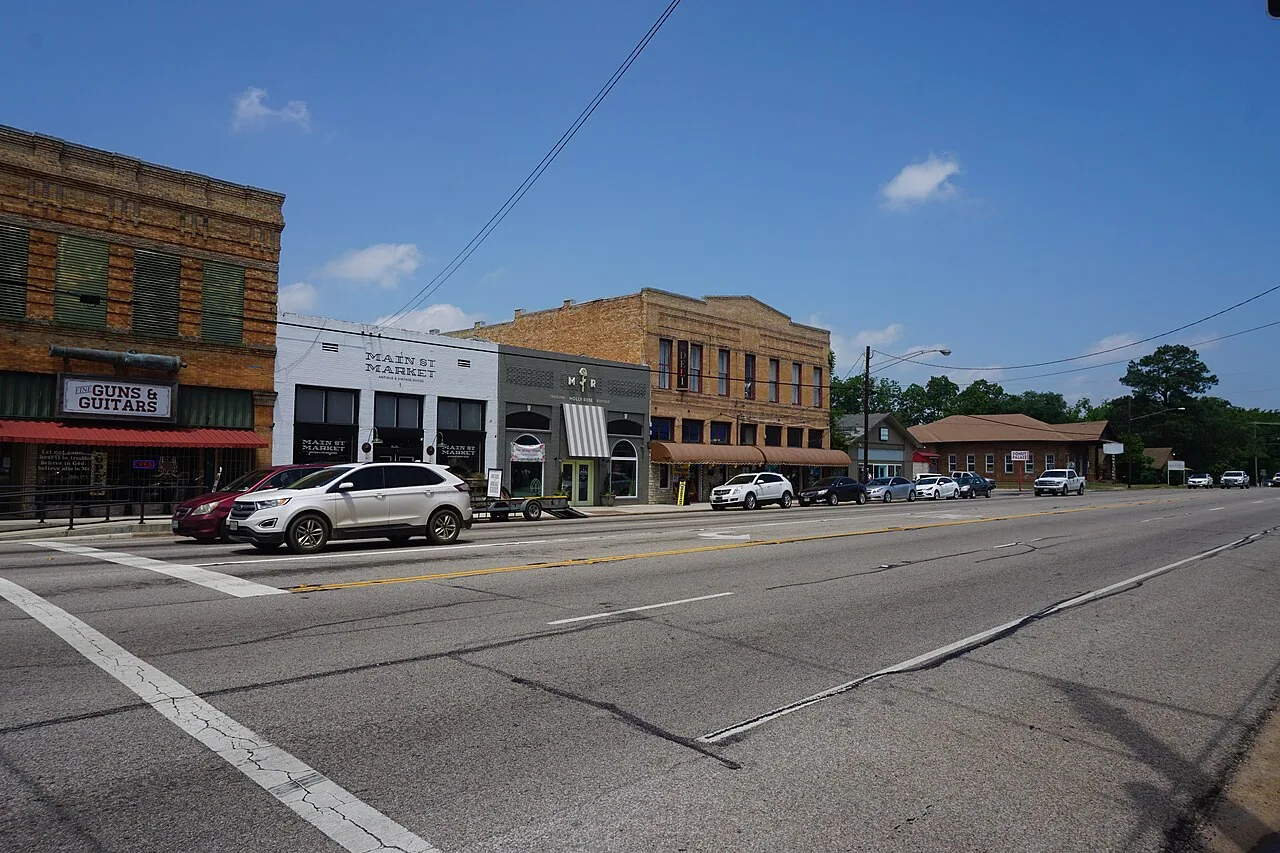
A leak that appears after a heavy rain needs a roof inspection that connects the interior report to the correct drain, seam, curb, or wall transition. In Lindale, we start with the building and roof zone under service, then check the installed assembly and likely water route before selecting a repair. The city has business and industrial parks with serviced sites for several commercial uses, but each property needs its own inspection and access plan.
Lindale sits at Interstate 20 and U.S. Highway 69. Those routes help a facility coordinate dispatch and deliveries, while the owner confirms the actual entrance, staging area, and roof access. Send the property plan, prior roof records, affected room, and work hours. A commercial roof inspection can map the visible system and identify what a test would resolve before permanent work is priced.
Plan access around the property use
Lindale's serviced business and industrial sites support logistics, manufacturing, office, hospitality, retail, and service uses. Those uses can require different roof-access windows, loading routes, and interior protection. The facility contact should state what applies at the building: delivery peaks, tenant hours, equipment shutdowns, escorts, and rooms that cannot be interrupted. We can then sequence the roof visit without assuming that one operating plan fits every site.
For a logistics building, the crew may need a clear yard route and a lift location away from receiving. For an office or hospitality property, the priority may be keeping an entry or occupied room protected. A distribution center roof review can focus on loading and drainage details when that is the actual building use. For sites elsewhere in East Texas, a Tatum roof service visit carries its own access contact and property record.
Water, wastewater, road, and workforce investments support business expansion in Lindale. A property project that changes roof drainage or equipment should be reviewed against its current site plan. If a mechanical contractor adds a curb or conduit, include the scope and date so the roofing inspection can check the transition afterward. We document what the crew sees and identify which other trade needs to restore a disturbed flashing.
Match the interior report to a roof detail
Water can travel below a membrane or along a deck joint before it reaches the room where it becomes visible. We compare the stain with roof slope, seams, drainage outlets, wall terminations, and earlier patches. The report distinguishes the visible leak location from the roof detail confirmed as the entry. If the path remains uncertain, it names the test or return access needed rather than treating an assumption as a repair boundary.
Across the Longview service market, hot, humid summers and seasonal storms make regular checks of seams, flashings, and outlets useful. After a storm, record the date, affected room, and visible roof changes before setting the repair boundary. Wind-damage service can document displaced edge metal or flashing, while drain inspection and cleaning can address outlet restrictions when water is sitting near a low point.
If the leak occurs only during one direction of rain or after a mechanical cycle, include that timing with the work request. A rooftop unit, wall transition, or former repair may change the path. We inspect the surrounding zone and note which condition is confirmed. When hidden moisture could alter the repair, a controlled test opening should answer a specific question and be approved before removal begins.
Verify the membrane or metal before making a tie-in
The citywide business mix does not identify a building's roof system. We check project submittals, warranty records, exposed edges, seam layout, attachment, and earlier repairs. If a facility has an addition or separate wing, mark where the roof phase changes. That lets the owner and crew keep each material description with the section it actually represents.
On a membrane roof, the repair needs a clean receiving surface and a seam or flashing method suited to the installed assembly. On metal, fasteners, laps, panel movement, and perimeter conditions may control the work. If the file and field do not agree, settle that difference before choosing material. A TPO system service is appropriate only after the roof is confirmed as TPO.
If an opening reveals wet insulation, damaged cover board, or a deck concern, photograph the condition and stop at the agreed limit. The owner can decide whether to authorize more removal after seeing the exposed layers. The estimate separates measured work from allowances for concealed conditions and identifies preparation, flashing, material, and the final field check. Recurring failures across multiple zones may warrant a broader replacement review rather than another patch.
Set the weather and staging plan before mobilization
Longview's July normal high is about ninety-four degrees. That regional heat can shorten the period available for surface preparation, but actual roof temperature, humidity, and product instructions control work at a Lindale property. The crew checks those conditions before installing a seam, flashing, or coating. If rain could interrupt the job, the plan should say how the exposed section will be covered and who will check it.
Emergency service is available around the clock, including holidays, for active water entry. Give the dispatcher the affected room, property entrance, roof access method, and person authorized to approve temporary work. If permanent repairs need to wait for a dry window or additional testing, the owner receives a separate description of interim protection and the remaining scope.
Where building operations continue, divide the roof into zones that can be completed and protected during the approved work window. Confirm where a lift can stand, how materials reach the roof, and whether interior traffic needs a detour. A maintenance schedule can revisit drains, seams, and equipment transitions when the property can provide safe access.
Preserve the roof history for the next manager
Closeout should identify the Lindale property, roof zone, assembly details verified, photographs, repair limits, and any test result. If a section was inaccessible, record the reason and the next access step. Keep the marked plan beside the warranty, contractor invoices, and prior maintenance notes. That gives the next manager a usable record rather than a list of work dates with no roof location. Retain the last rooftop vendor and equipment work dates so a later leak review can separate roofing repairs from changes made by another trade.
Facilities with assets in Lindale, Longview, and Tatum can share a filing format while keeping each building's conditions separate. The Longview commercial roofing area represents a separate set of sites and access procedures. A roof asset file can carry maps, inspection dates, and repair history into a capital review without assuming the same system across a portfolio.
Send the roof map, system documents, prior repairs, leak notes, site contact, and operating hours when requesting service. We will inspect the reachable area, record the water path and observed condition, and return a scope with a defined limit. If another trade is scheduled to work at a rooftop unit, include its work plan so the finished flashing can be checked after the change.
Commercial Roofing Questions
Which Lindale properties can you inspect?
We service commercial low-slope and metal roofs across the city, with access and work limits confirmed for the specific property.
Does a business-park designation tell you the roof construction?
No. The building record and roof inspection establish the material, attachment, and condition that guide a repair.
How do you keep deliveries moving during roof work?
The facility contact identifies receiving peaks, vehicle routes, and staging limits. We use those details to sequence access and roof zones.
What should I do if water returns after a prior repair?
Send the earlier report, repair location, current leak notes, and photos. We will compare the roof zone and inspect adjacent transitions.