
Commercial Roofing in Synergy Park, Kilgore, TX
Synergy Park, Kilgore
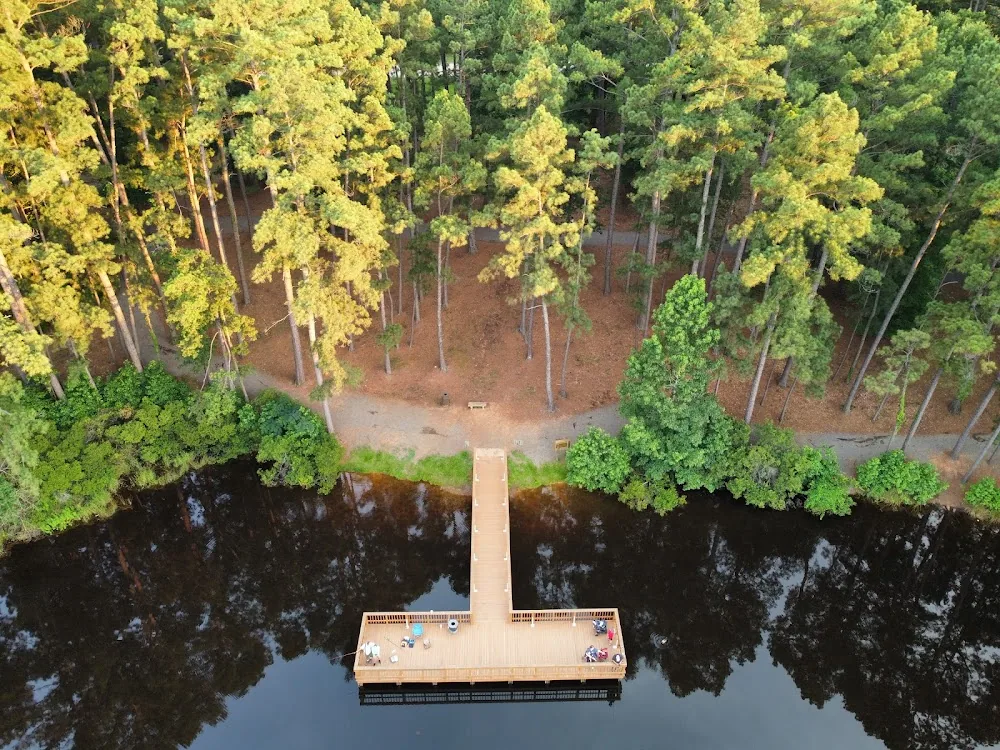
Manufacturing and distribution facilities in Synergy Park need commercial roof service that fits active equipment, loading routes, and production schedules. Kilgore identifies the park as a Foreign Trade Zone sub-zone oriented toward modern manufacturing, with industrial infrastructure and direct access to major transportation routes. We inspect each building's installed assembly, trace leaks, and plan repair or replacement around its access rules, loading routes, and production schedule.
Kilgore's industrial sites connect by highway, airport, rail, and port routes. Synergy Park's Foreign Trade Zone designation and modern-manufacturing focus make facility coordination important. Set delivery and staging around the operation, then inspect drainage, perimeter details, and penetrations on the roof. The report can distinguish a localized repair from testing or a broader project.
Because the park serves manufacturing and distribution employers, a roof plan should identify where exhaust, process equipment, and material handling cross the roof field. We do not assume those features exist on every facility; the property map and operations contact confirm them. Where equipment or service work has changed a penetration, record the date, contractor, and restoration detail. For new work, coordinate supports and flashing before a membrane is installed, then photograph the connection at closeout while it remains visible.
Coordinate roof work with the production schedule
Before the crew arrives, identify the facility entrance, escort, roof hatch, loading periods, and areas that cannot be crossed. If a lift or material pallet is needed, choose a staging point that does not obstruct shipping or emergency access. Mark the building and roof section on the site plan. A business park can have multiple operators and structures, so a request that gives only the park name is not enough to set the service sequence.
A commercial roof inspection can map accessible details, and occupied-building reroofing can phase work around operations. Tell us whether a test opening needs a separate permit inside the facility or approval from a safety lead. The crew will then plan protection below, set a stop point for each shift, and identify how weather changes will be handled if the repair remains open. For a facility with several bays, list the sequence by building and roof zone so a shutdown affects only the planned work area. Tell the safety lead before any test opening, protect the aisle and equipment route below, and record the tie-in to check at shift end. The next shift should receive the same roof-zone label used in the work order.
Verify the system before selecting the tie-in
Review the warranty, approved submittals, closeout drawings, service history, and any record of a later recover or addition. At the roof, compare those documents with visible seams, edge metal, drains, curbs, and transitions. If an equipment project changed the roof, identify the affected zone and which contractor restored the opening. Compare each brand reference with the roof zone, installation date, and area named in the invoice before using it to plan a repair.
Kilgore identifies Synergy Park as a Foreign Trade Zone sub-zone oriented toward modern manufacturing, with industrial infrastructure and transportation access. A curb and support review can document mechanical transitions, while insulation and cover-board service can evaluate a specific roof layer. If a hidden condition changes the repair decision, the scope explains what test would confirm it and how the test area will be restored.
Trace the reported leak across the industrial roof
Record the interior location, time of the report, and recent work above the area. Then inspect the likely roof path through seams, curbs, drains, wall flashing, and earlier patches. A water mark may appear downstream from the entry point, so the report separates the symptom from the field condition. If the inspection finds more than one candidate, show what supports each one and what verification would rule it in or out.
At Synergy Park, a leak repair visit follows the active report, and drain work addresses an outlet problem confirmed during inspection. For a larger suspected moisture area, we identify a test zone and use an opening to determine whether insulation needs removal.
Set the repair limit before production is interrupted
A localized fix can work where the failure is confined and the surrounding material is stable enough for a compatible repair. If an opening reveals wet insulation, soft cover board, or damaged deck, document it and obtain owner approval before expanding. The work order should define material removal, preparation, tie-in, field check, and the protection needed for the area beneath the roof. Measured work stays separate from allowances for concealed conditions.
At an operating plant or distribution facility, an open roof can affect processes, inventory, or loading. A rapid response can limit water intrusion; a replacement plan can sequence larger removal and dry-in. The property contact should name which production window can accept noise or equipment shutdown and how to communicate a change in scope. Each decision should remain tied to the inspected zone.
Keep the maintenance file with the correct operator
Closeout records the facility name, roof-zone label, system information confirmed, repair preparation, material, photographs, tests, and any remaining question. If the crew could not access an area, state the reason and the next step. Attach the mechanical work order when a curb or unit changed. These details help a different shift or service contractor understand where the repair occurred and whether a later leak concerns the same boundary.
Synergy Park is in Kilgore, a city with its own industrial and transportation connections. Our Kilgore service area and Longview commercial roofing service can support separate facilities on coordinated schedules. Keep each roof map and warranty record with its own building. A roof asset file can hold the record under each property’s own identifier.
For an owner with more than one operator at the park, keep service authorization and warranty contact information with each building record. One site may have a current manufacturer file while another needs an assembly check. The maintenance schedule should track roof zones separately and show the person responsible for closing each open item.
Prepare the site contact and project file
Send the roof map, submittals, warranty, previous service records, leak location, and access instructions. Identify the person who can authorize a test opening, the safety contact, the mechanical contractor, and the hours when production can be interrupted. If the facility has a loading or rail route, explain where materials can be staged and what must remain clear.
We will inspect the defined roof zone, document what is visible, and return a repair or renewal scope tied to evidence. If design review, testing, or another trade is required, the report will state the next decision and the information needed. That gives operations a roof plan that can be coordinated with production rather than a generic service ticket.
Provide a current plan revision and label access points clearly.
Keep the authorized contact with the service file.
Mark each roof zone on the drawing.
Attach the updated plan to closeout.
Keep its date visible.
Commercial Roofing Questions
Does the Foreign Trade Zone designation identify the roof system?
No. It describes the park’s economic designation. We use the building’s installation records and field details to identify the assembly.
Can you inspect during manufacturing operations?
Yes. We coordinate escorts, access, staging, shutdowns, and interior protection with the facility team before the roof visit.
What should be documented after a repair near equipment?
Keep the roof zone, equipment work order, material, preparation, photos, field checks, and any follow-up with the facility’s service file.
How do you handle a repair that grows after opening the roof?
We photograph the new condition, show the owner the changed boundary, and obtain approval before adding concealed work.