
Commercial Roofing in Hallsville, TX
Hallsville
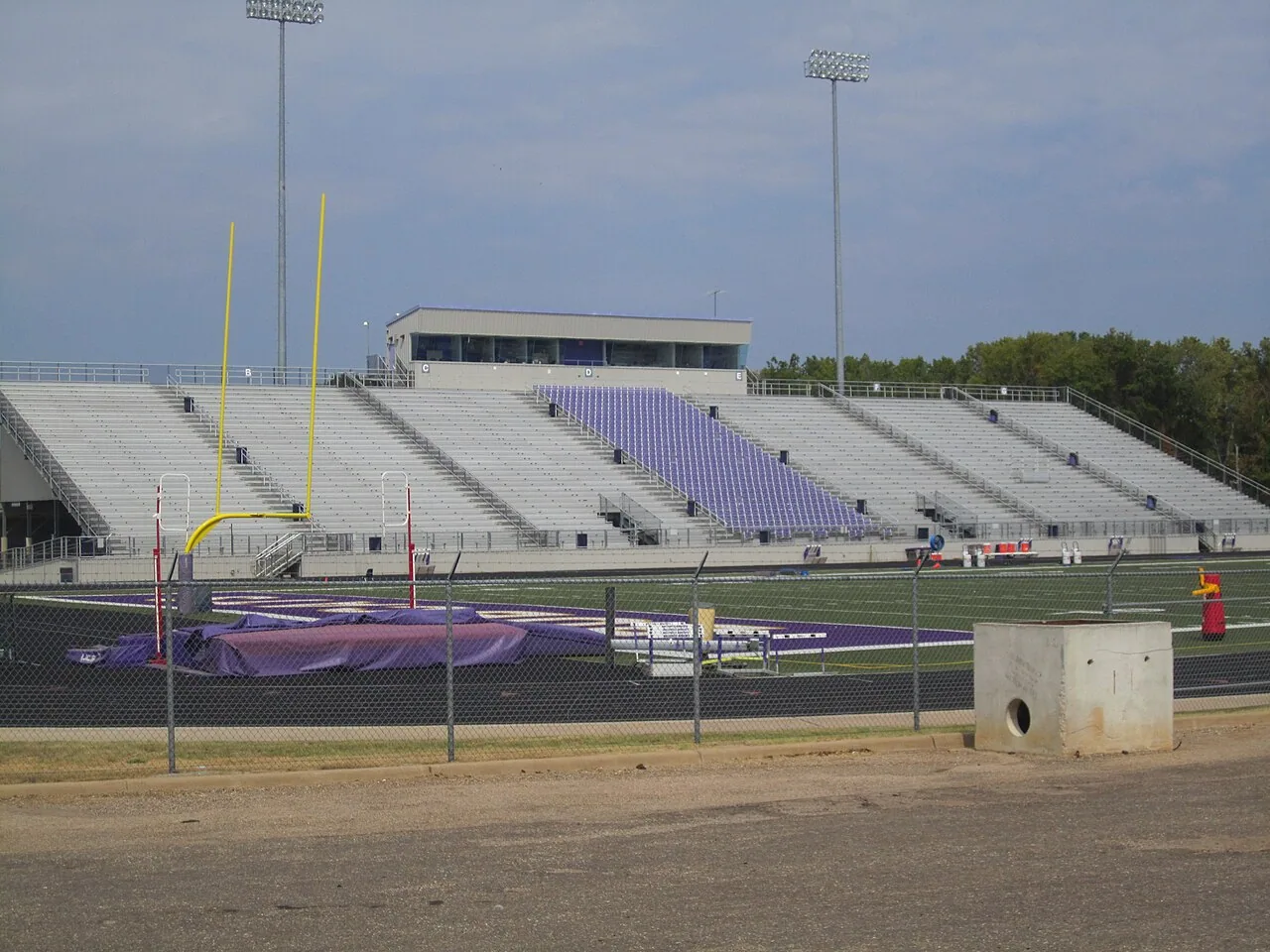
Hallsville’s zoning map includes general-business and light-industrial districts alongside residential and institutional areas. The property contact confirms current use, access controls, and work hours; we coordinate gate entry, roof access, and lift staging around those operating limits. If a repair sits above occupied rooms or equipment, identify the responsible contact for interior protection before an opening is made. We service commercial roofs across those property settings, beginning with the building plan, reported condition, and access route. Hallsville's general-business and light-industrial districts include different commercial property uses. Before a service visit, identify the building, roof access, operating schedule, and any addition or renovation that affects the inspection area. Before leaving, review the marked roof plan with the facility contact and confirm which repair, test, or return visit has been authorized.
Longview’s hot, humid summers and seasonal storms shape the wider service area. A roof inspection checks actual seams, drains, flashing, edges, penetrations, and repair history. If water is reported, we trace it from the interior symptom through the roof zone and distinguish what is confirmed from what needs a test. The owner receives a scope tied to the building’s plan, service record, and observed roof details.
Use the site plan to understand the property
Before the visit, review the property plan, roof map, warranty, system records, service history, and the specific room or area where water appeared. Hallsville’s zoning materials identify general-business and light-industrial areas, plus residential and institutional districts. Confirm the current building contact, operating hours, roof-access route, and any tenant or equipment restrictions before scheduling the inspection.
A commercial roof inspection can establish the visible assembly, while condition reports preserve a dated photo map. On the roof, label each section, note inaccessible areas, and compare visible details with the records. If an addition or prior overlay changed part of the assembly, document its boundary and identify which drawings apply before selecting a repair material.
For a building being sold, renovated, or assigned to a new property manager, obtain the roof plan and recent service file before approving a large repair. Compare the documents with field details such as drain locations, parapet changes, curb bases, and the edges of any earlier patch. If a roof section cannot be seen from the surface, we identify whether an opening or another test could change the recommendation. The owner receives the specific question, the test boundary, and the repair decision it will inform.
Keep each revision dated and connected to one roof zone.
Include the repair date in the caption.
Do not infer current construction from town history
For an older commercial building or a recent addition, compare roof drawings, renovation files, warranty papers, and service invoices with visible seams, edges, drains, and penetrations. Tie each plan to the structure and phase it covers, then label any area that needs a separate field check.
For a business property, a drain and scupper review can document outlets, and a perimeter inspection can check edge metal and wall transitions. These details may have changed since original construction. If the materials cannot be confirmed from exposed edges or records, note what test opening would establish before describing the concealed assembly.
Trace the leak path across the roof
Start with the interior location, time, and any roof or equipment work shortly before the report. Follow the roof’s drainage direction through seams, curbs, walls, penetrations, and prior repairs. Water may move under the surface before it reaches the ceiling. We record the symptom, likely path, and visible defect separately; if more than one route remains possible, identify what test or follow-up observation would resolve the question.
Longview’s market climate is hot and humid through summer, with documented hail and tornado exposure. For Hallsville properties, we inspect the reported zone and document visible conditions before recommending work. A leak repair visit follows the observed condition, and moisture screening can help prioritize test locations. We distinguish thermal patterns from confirmed wet insulation and document any opening before the material is covered again.
Choose the repair boundary from field evidence
A repair may be enough when the failure is confined and the surrounding material can hold a compatible tie-in. If a test exposes wet insulation or damaged cover board, photograph the finding and show the owner the changed scope before proceeding. The work order identifies preparation, removal limits, material, field checks, and any allowance for concealed conditions. A broader replacement recommendation should explain which observed conditions make a localized patch insufficient.
For a light-industrial or business property, coordinate the visit around deliveries, yard activity, tenant access, or any area that should not close. Phased reroofing can set a secure stopping point for each workday, while replacement planning can include temporary dry-in, staging, and equipment coordination. The facility contact should identify the route and work hours before materials are delivered.
Cost and timing depend on the size of the affected zone, safe access, material removal, substrate condition, protection below, and the work window the facility can provide. A small opening may still require a broader repair if the tie-in cannot reach stable material. We describe those drivers before work begins and keep extra quantities tied to a condition the crew actually finds. For a phased project, the owner can approve the next area after reviewing the current photos.
Keep the roof file clear as the property changes
Closeout should include the building and roof-zone labels, system information available, preparation, materials, photos, repair dimensions, and test results. Note any area that was not inspected and the access needed for a return visit. If another trade touched a curb or penetration, attach that work order. These details help a future manager distinguish a new failure from water near a previous repair.
Hallsville's zoning map includes business and light-industrial districts. Keep each building's roof map, warranty, inspection baseline, and repair history together in its property record. For a property in Longview or Kilgore, keep a separate roof map, warranty, inspection baseline, and repair history. A roof asset record can preserve the warranty, inspection baseline, and repair history without blending separate municipalities.
Prepare the documents before a site visit
Send the roof plan, project records, warranty, prior repairs, leak locations, and access rules. Identify who can approve a test opening and whether interior protection or equipment coordination is needed. If the property is occupied, include tenant or business hours and any delivery periods that should remain clear. Emergency roofing service is available at all hours, seven days a week, and on holidays; the contact should provide a safe roof-entry route.
We will inspect the accessible area, document the reported condition, and return a repair or renewal scope with photos and clear limits. If the next decision depends on testing or design input, the report will name the open question and explain what information would resolve it. That gives the owner a focused next step for the Hallsville property.
Commercial Roofing Questions
Does Hallsville’s railroad history tell you how old a roof is?
No. Building age and roof assembly are confirmed from property records and the current field, not the town’s historical development.
Can you service a building in a light-industrial area?
Yes. We coordinate site access and operating needs, then inspect the actual roof system before selecting a repair.
What if the roof plan does not match the visible details?
We record the discrepancy, identify which section is uncertain, and explain what record or test would clarify the assembly.
Can work be scheduled around deliveries or business hours?
We coordinate lift placement, staging, and daily work limits with the facility contact before mobilization.