
Fitness Center Roofing in Longview, TX
Fitness Center Roofing
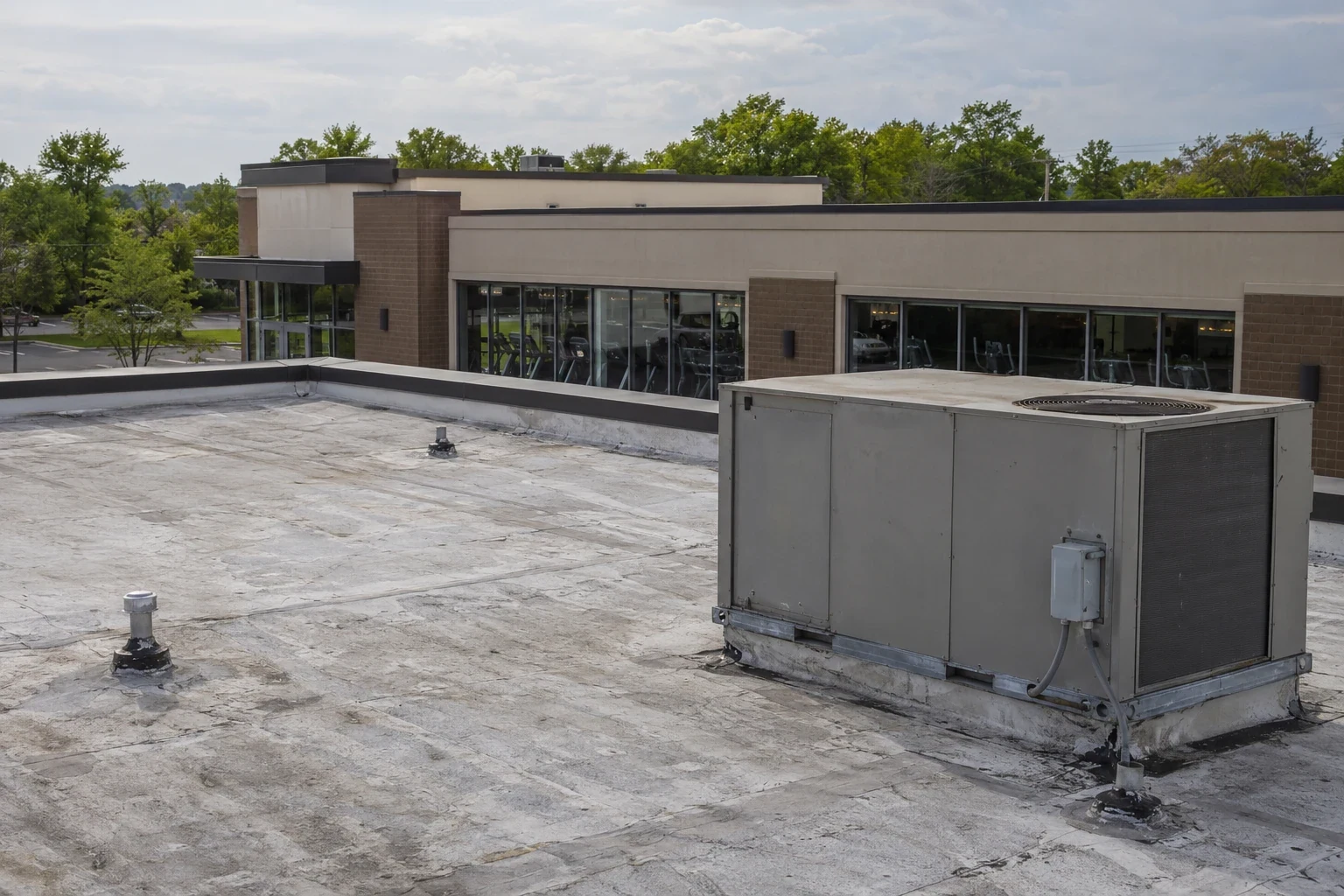
Water over a fitness floor can affect classes, equipment, locker rooms, or a pool area if the facility has one. We inspect the assembly above the report, trace the water path, and coordinate any room restriction with the manager before opening the roof. The source may sit at an HVAC curb, drain, edge, or seam rather than directly above the ceiling mark. The repair plan should keep members away from active work and preserve a safe route through the building.
Longview's Downtown plan includes entertainment, retail, and mixed-use activity, while the Mobberly Avenue project addresses sidewalks, crossings, and street lighting between Cotton Street and Estes Parkway. Those broader city conditions can affect arrival and staging, but they do not show how a particular fitness center is built. We verify class times, roof plans, HVAC locations, leak reports, and access rules with the operator before choosing an inspection and repair sequence.
Fit roof access between classes and peak hours
Fitness facilities often run early, late, and through weekends, with classes and equipment use shifting across the day. We ask when studios, courts, locker rooms, and entry areas are busiest, then schedule lifts and noisy work around those periods where possible. If a work zone sits above an active room, the operator sets a temporary closure and member notice. The crew keeps its route separate from class traffic and returns each area only after barriers and overhead work are clear.
At a neighborhood facility, parking and delivery routes may be shared with nearby tenants. We verify where equipment can be staged and who manages the common area before mobilization. A phased occupied-building sequence can divide a larger roof so classes continue in unaffected rooms. For school gyms, a school roof plan has similar large-room protection needs but follows the academic and athletic calendar instead of member schedules.
Inspect HVAC and roof penetrations
Heating and cooling loads can be high when a facility has changing occupancy, lighting, and exercise equipment. We inspect rooftop units, exhaust fans, curbs, condensate lines, duct penetrations, and nearby membrane seams. A unit that cycles or vibrates can stress its base, while a blocked condensate route may look like a roof leak indoors. The repair record identifies which condition is confirmed and whether the mechanical contractor needs to check operation after roofing is complete.
Locker-room exhaust and kitchen or juice-bar equipment, when present, also need clear service access. We coordinate unit shutdowns and avoid leaving an opening unprotected between trades. A curb and support repair can restore a failed flashing transition. If the leak path is uncertain, a targeted leak investigation compares the equipment zone with drains and seams before the crew expands the repair area.
Protect rooms with finishes and equipment
Exercise flooring, electrical controls, sound systems, and stored supplies can be sensitive to water and construction debris. Before opening the roof, we coordinate interior covers, equipment relocation, and any room closure with the operator. If a wet ceiling must be opened, the facility identifies who handles interior drying or finish repair. The roof scope keeps those responsibilities clear while recording whether moisture reached insulation or the deck. A suspended speaker or lighting grid may also need a protected work zone so debris cannot fall onto a class area.
Longview has humid summers and seasonal thunderstorms. The combination supports routine attention to seams, penetrations, and drainage, but it cannot diagnose a particular building. We photograph the observed roof condition and distinguish recent movement from an older patch or surface discoloration. A roof inspection can document additional zones, while an infrared review may guide where direct testing could be useful if moisture is suspected under the field.
Keep water moving off the roof
Large fitness spaces may have broad membrane areas above courts, studios, and mechanical rooms. We inspect drains, scuppers, gutters, strainers, overflow openings, and the roof slope that carries water toward them. A blocked outlet can be cleaned, while a failed drain collar, low area, or damaged edge needs a distinct repair. The report shows which paths were clear and whether water had a secondary route when the primary outlet was restricted.
Longview's July normal high is about 94 degrees, and thunderstorms can produce concentrated runoff. Exposed seam and outlet condition matter more during these cycles, so we check them during maintenance visits. A drain and scupper correction can restore a failed connection. A church building may also have a large gathering room and lower roof transition; a worship-facility roof plan addresses a different event calendar but similar water-path questions.
Compare a local repair with wider renewal
A localized repair can work when the surrounding membrane is stable, dry, and able to accept a compatible tie-in. If several roof zones show wet insulation, open seams, or repeated curb failures, the owner may need to compare broader repairs with recover or replacement. We document the assembly and visible condition, note test limits, and show why the repair boundary includes each area. The decision can then account for class interruption and any scheduled facility upgrades.
At a Longview facility, an assembly change can bring the proposed work into the City's commercial plan-review process. We provide the roof detail for the owner to coordinate any required submission under current adopted codes. When several fitness areas need renewal, a replacement scope lists which systems are included and how the crew can sequence noisy work around classes. The budget should also identify insulation, edge metal, drainage, and equipment details disturbed by the work.
Return members and staff to a ready facility
Closeout lists the roof zone, materials installed, drain or curb detail, photos, and any follow-up that remains. We confirm temporary barriers can be removed and that equipment access is restored. The facility manager can add the notes to the maintenance record and compare future leak reports against the same roof map. If an area was not inspected because access was limited, the report identifies what is needed for a return visit.
For a fitness property in Longview, share the class calendar, room map, roof plans, HVAC list, leak history, and member-access rules before the inspection. We will coordinate with the manager and return a scope tied to the actual roof condition. A clear record helps keep the next maintenance check focused on developing issues rather than reconstructing the last repair.
A fitness facility may run early and late hours, so agree on a roof-work window before loud preparation begins. Confirm the location of pools, locker rooms, showers, and major air-handling equipment when tracing a moisture complaint. The roofer can protect a test zone and coordinate any interior ceiling access with management. Closeout should say which room or operating area was affected and when it can return to normal use, without treating a roof observation as an indoor air assessment.
Commercial Roofing Questions
Can a fitness center remain open during roof repairs?
Often, if class rooms, member paths, equipment, and noisy work periods are coordinated. A specific room or roof zone may need a temporary restriction while other areas stay open.
Could HVAC condensate be mistaken for a roof leak?
Yes. We inspect the unit, condensate path, curb, roof seams, and drainage together, then identify which source is supported by the field evidence.
How do you protect exercise equipment below a repair?
We agree on interior covers or temporary relocation with the operator before opening the roof. The work area and return-to-use time are included in the daily plan.
What should be checked after a Longview storm?
Reported leaks, equipment curbs, exposed seams, drains, and perimeter details can be inspected. The repair recommendation comes from the facility's observed condition.