
College and University Roofing in Longview, TX
College and University Roofing
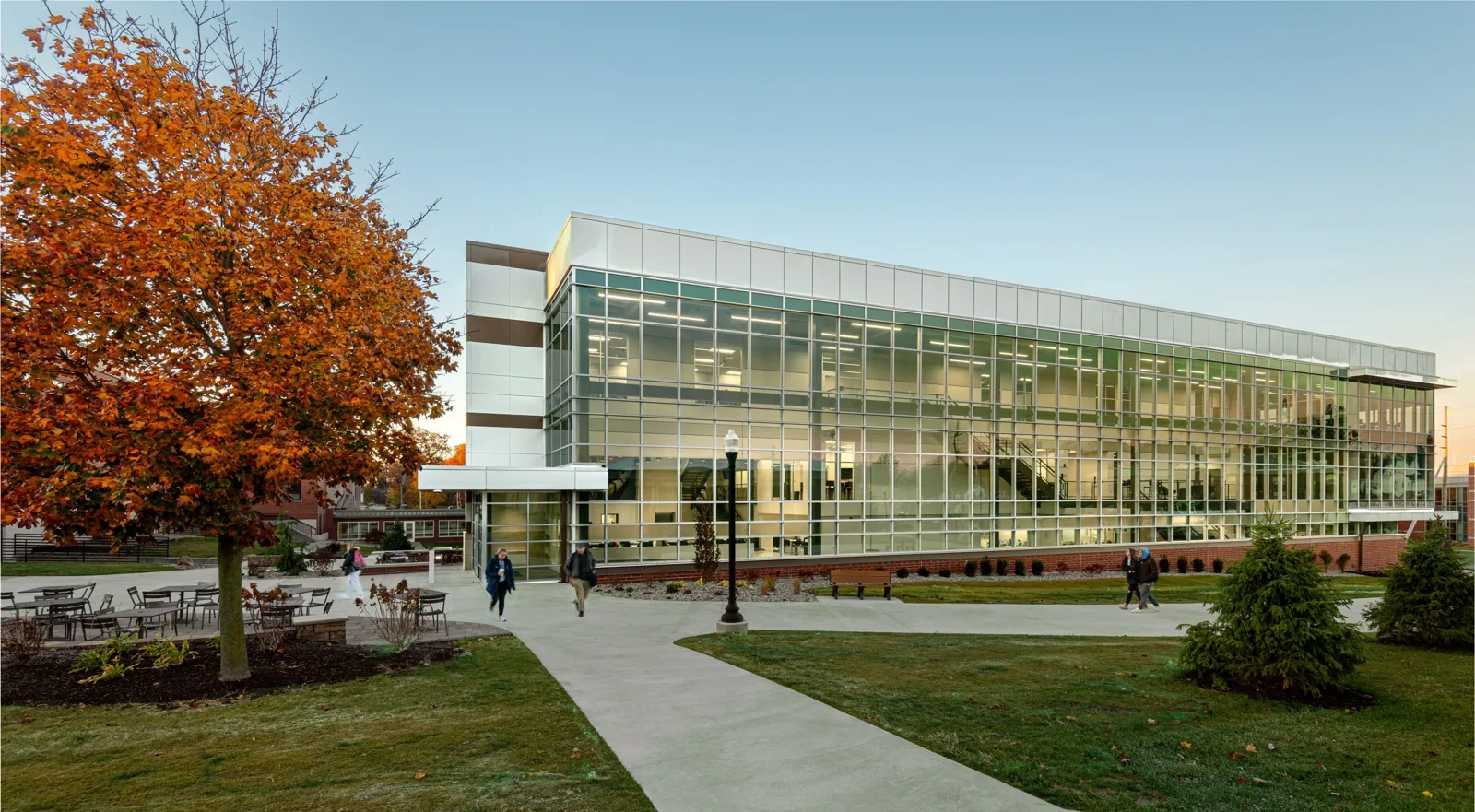
A campus roof rarely covers one kind of building. Classrooms, residence halls, labs, offices, dining facilities, and athletic spaces can have different assemblies, access rules, and operating hours. We inspect by building and roof zone, then match the repair plan to the use below. A leak over a lab may require different protection from a loose edge on an administrative wing. The work scope identifies the affected system, the activity below it, and the sequence that keeps the campus functioning.
LeTourneau University lies in Longview's South Longview area near the I-20 corridor. Campus access can depend on class schedules, visitors, deliveries, and special events. Those operating details shape staging, while inspection records and field evidence establish roof age and system. We review the building inventory, roof drawings, maintenance records, and the university's access process before selecting inspection and repair zones.
Separate campus buildings by use and roof system
We begin with the campus roof list and group structures by system, age if records support it, and operating use. A gym or fieldhouse may have long spans and high-volume exhaust; a residence hall may have numerous penetrations and occupied rooms; a laboratory may restrict access or photography. We identify each building’s roof from records and field details before setting repair quantities. The roof map gives each crew a shared reference for observations and work boundaries.
For a leak report, we trace the interior point to likely seams, curbs, drains, and wall transitions. A campus-wide roof inspection can identify defects across several buildings, while leak repair addresses a confirmed entry path. If moisture may extend under the membrane, test openings or an infrared moisture survey can guide the next inspection step. Each building's findings remain separate in the report, with the covered elevation and roof zone identified.
Fit roof work between campus activities
Academic calendars offer periods when some buildings have fewer occupants, but research, housing, dining, and athletics may continue. The campus contact identifies class periods, exams, move-in dates, event schedules, and any building operations that cannot pause. Material delivery and lift staging are planned to keep pedestrian walks, accessible routes, and emergency lanes available. The job plan sets the work boundary and explains when a roof zone or room needs temporary restriction.
Longview's US 80/Marshall Avenue corridor and the south-city I-20 gateway present different approach routes and staging conditions. The campus contact confirms the approved access route, laydown area, and security procedures before the crew mobilizes. A phased occupied-building sequence can divide replacement into buildings or wings, with daily tie-ins completed before the next activity period.
Protect laboratory and mechanical systems
Labs and specialized classrooms may rely on exhaust, air handling, rooftop utilities, or sensitive equipment below the roof. We identify intakes, exhaust discharge, service clearances, and any room-level controls that affect work. If a curb or penetration must be opened, the facility contact coordinates system isolation and confirms when the equipment can return. Roof material and debris are controlled so the repair does not interfere with campus air-handling or research operations.
At equipment bases, we inspect flashing, support movement, conduit routing, and nearby drainage. A curb and support repair can restore a compromised transition while preserving service access. If outlets are blocked or their membrane tie-ins are failing, a drainage correction may be required. We coordinate these details with the mechanical team and record which trade owns each part of the work.
Review heat and storm exposure by roof zone
Longview's July normal daily high is about 94 degrees, and documented tornado and hail events have affected the city. After a reported weather impact, we inspect edges, roof-mounted equipment, and drainage at the campus building before defining repairs. We photograph the actual membrane condition and distinguish recent impact from age, movement, or prior repair. After a storm, the university can request a focused review of buildings where leakage or visible damage has been reported.
Scheduled maintenance can clear drains, inspect seams, document repairs, and keep roof records current before student or event activity intensifies. A preventive maintenance visit can also flag areas that need a more detailed inspection. We note which roof zones were checked, who accompanied the visit, and any access limitation. This makes the next inspection more efficient and helps campus staff compare findings over time.
Sequence capital work with campus requirements
When roofs are at different stages, the capital plan should distinguish active leaks, developing defects, and sections that are stable for continued service. We document roof assembly, visible condition, repair history, and testing limits by building. The owner can then compare localized repair, recover, and tear-off without treating every campus roof as one project. A roof capital plan can organize work by risk, academic schedule, funding window, and equipment coordination. Each project brief should state the roof zones included, the operating windows, the tie-in assumptions, and the contingency process for concealed wet material. For a multi-year program, we keep the condition record consistent enough to compare one year's repairs with the next inspection, while marking changed conditions instead of carrying an old assumption forward.
Longview's Building Inspection Division reviews commercial building and site plans under adopted codes. A larger assembly change may need review coordination, depending on the project. We provide roof scope details to the university and identify information the project team should confirm with the City. If a campus includes administrative offices and residential buildings, a school building plan and an office roof scope can share phasing considerations while preserving the distinct university use.
Leave campus facilities a building-level record
At closeout, we provide building and roof-zone labels, repair photos, materials, completed transitions, and any unresolved condition. The record notes access restrictions, equipment coordination, and whether a follow-up test is needed. A campus manager can attach the notes to asset records and share them with maintenance staff without confusing one building's repair with another.
In Longview, provide the campus map, roof plans, event calendar, access procedures, and known leak reports before the visit. We will coordinate with facilities to inspect the right buildings and keep work boundaries clear. A useful closeout identifies what is complete, what remains, and which roof zone should receive the next scheduled review.
A campus roof visit should use the building name, wing, and roof-zone number consistently across work orders, photos, and the facilities map. Coordinate access around classes, lab activity, and maintenance shutdowns identified by the campus contact. If several buildings are under one capital project, inspect and document them individually before comparing priorities. A shared campus schedule does not mean the roof systems or repair boundaries are identical from one building to the next.
Commercial Roofing Questions
Can roof repairs be scheduled between semesters?
Often, if the affected buildings are available and equipment or research operations allow the work. We coordinate the sequence with facilities because housing, dining, labs, and athletics may continue year-round.
How do you inspect roofs across a multi-building campus?
We map buildings and roof zones separately, identify each assembly where possible, and record findings against the campus plan. That keeps repair priorities tied to the correct structure.
What roof details need special attention around laboratories?
Exhausts, intakes, utility penetrations, curbs, and equipment service paths need coordination with the facilities team. The roof scope should preserve access and protect sensitive operations below.
Will the report identify roofs that need immediate work?
Yes. Findings can be grouped by active leakage, developing failure, routine maintenance, or additional testing so the university can sequence repairs by risk and campus schedule.