
Big-Box Retail Roofing in Longview, TX
Big-Box Retail Roofing
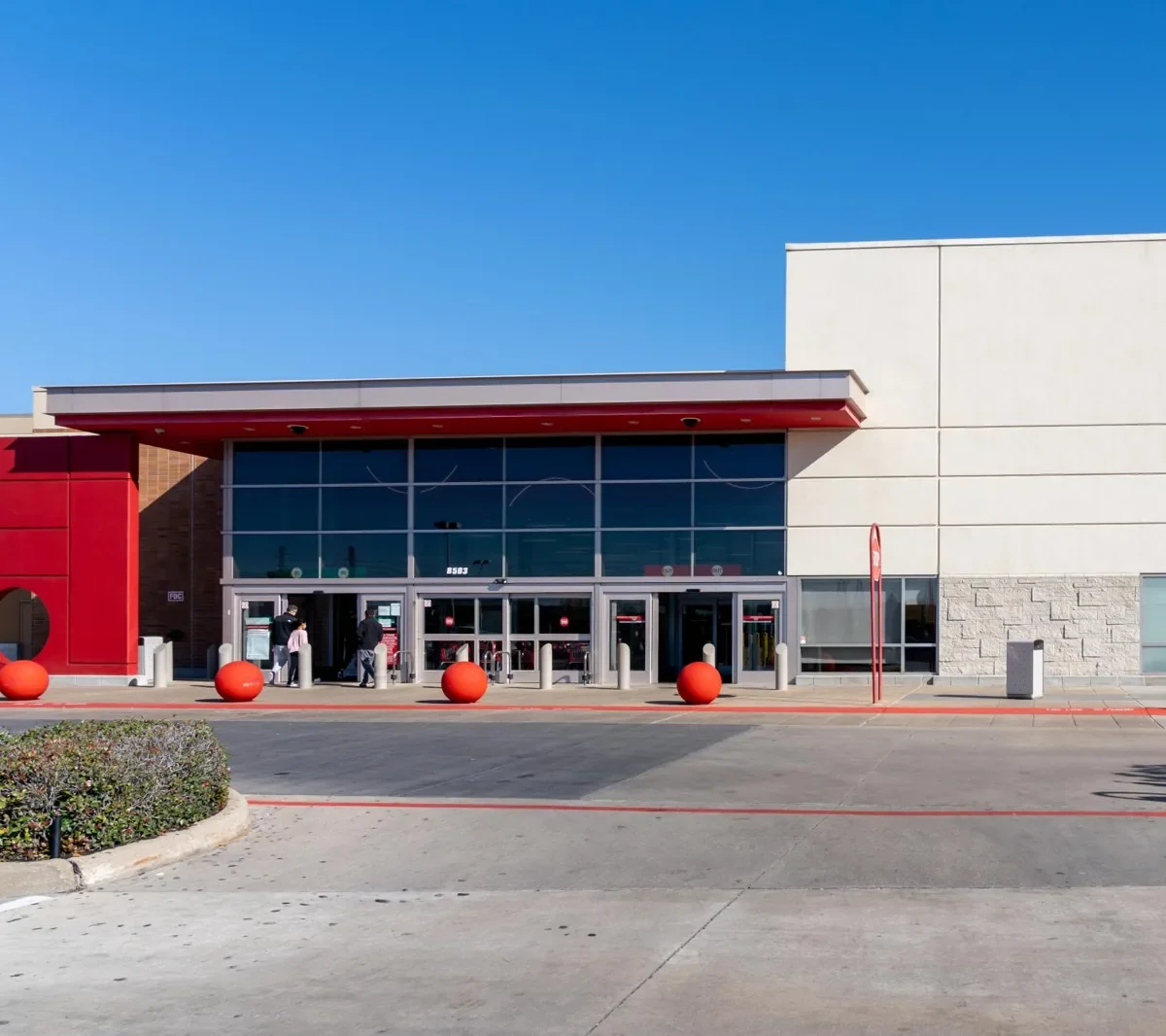
A large retail roof can look uniform from the parking lot and still contain several assemblies, repair generations, and drainage zones. The service desk, stockroom, loading dock, and sales floor each place different limits on access below. We identify the roof system and divide the building into workable zones before deciding whether a leak needs a local repair, a wider tie-in, or a replacement study. The scope stays tied to observed conditions, not the building's retail label.
Longview's commercial corridors include US 80/Marshall Avenue and Estes Parkway, while its industrial parks sit near US 259 and I-20. US 80, Estes Parkway, US 259, and I-20 give property teams distinct approaches for delivery and staging. Before a roof visit, we confirm the store's dock schedule, equipment map, roof plans, and prior repair history with the facilities contact. A useful visit records which zones were inspected and what remained inaccessible.
Keep sales and receiving on separate schedules
Work over a sales floor may need a different sequence from a repair above a stockroom or receiving area. We coordinate lift placement, material movement, noisy work, and debris control with store operations. Loading doors, fire lanes, customer paths, and delivery windows remain part of the daily plan. If one roof zone can be isolated while another remains open, the scope identifies those boundaries and the time required to move between them.
Stores supplied from regional distribution routes can have little flexibility around scheduled freight. We confirm truck windows and the path for any crane or lift before material arrives. A phased occupied-building reroof can separate roof sections and protect active departments below. For a retail building with several tenants or service entrances, a shopping-center roof plan uses similar coordination but accounts for shared common areas and separate tenant access.
Map the roof before pricing the work
Long roof runs can include field seams, expansion joints, drain lines, rooftop units, and perimeter details that do not fail at the same rate. We mark the building into zones and record membrane type, visible patching, equipment, and drainage direction. This lets the owner compare the affected area with the rest of the roof without assuming that a single leak represents the entire assembly. Where records are incomplete, field verification comes before quantity or material assumptions.
A commercial roof inspection can document condition across the building, while a leak repair visit follows a reported entry path. If the roof contains multiple sections added at different times, the map should show their tie-ins and edge conditions separately. We note which areas were inspected from the roof surface and which would need testing or safe access arrangements before a final scope is set.
Follow drainage across the full footprint
A broad roof can send runoff through several internal drains, scuppers, gutters, and overflow routes. We inspect each outlet, the membrane around its bowl, and the slope leading to it. Debris at a strainer is easy to remove; a low area, displaced drain ring, or failed flashing calls for a different repair. When ponding remains after outlets are clear, the report records its extent and whether further review of the deck or insulation is warranted.
Longview's July normal high is about 94 degrees, and the region sees seasonal thunderstorms. Heat can stress exposed details, while a heavy rain makes blocked outlets visible, but only a roof inspection can establish the condition of a specific store. A drain and scupper correction restores a failed outlet detail. For recurring low-area water, the scope begins by distinguishing a blocked outlet from a slope or substrate concern.
Coordinate rooftop equipment with roof repairs
Packaged HVAC units, exhaust fans, refrigeration lines, and communication equipment need service access even after roofing work is complete. We inspect curb flashing, counterflashing, support attachment, conduit transitions, and clearances around each unit. A mechanical replacement may leave an old curb exposed or introduce a different footprint. Before repairing that zone, the property team and mechanical contractor should agree who disconnects equipment, who handles the curb, and when the system can return to service.
We keep the roof scope distinct from equipment work and identify any detail that needs another trade. Curb and support repair can address an opening at a unit base. Warehouse roof coordination often has different interior access and loading needs, while grocery properties add cold-chain equipment and receiving hours. The crew records each roof transition by zone so later service does not disturb an unrelated repair.
Compare a patch, recover, and replacement
A localized repair is appropriate when the membrane around the failure is stable and there is sound material for a compatible tie-in. Repeated leaks, wet insulation beyond the opening, widespread seam separation, or an uncertain deck can change the decision. We describe what is visible, what was tested, and what remains concealed. That gives the owner a basis to compare immediate repair with a broader assembly scope without turning an unknown condition into a claim.
Longview's Building Inspection Division reviews commercial building plans under the City's adopted codes. If an assembly change or larger project triggers review, the owner and design team coordinate with the City on applicable requirements. A replacement assessment can compare repair, recover, and tear-off by roof zone, including the effect on store operations. The scope should also account for insulation, edge details, drainage corrections, and access needed to maintain the system.
Leave facilities with a zone-based record
Closeout should show where work occurred, what material was installed, which drain or curb was corrected, and whether any additional testing is recommended. Photos and a roof-zone map help staff locate the repair after store personnel change. We separate completed work from conditions that were observed but not part of the approved scope. If a temporary protection or follow-up visit remains, the record names it clearly rather than leaving the owner to infer the next step.
For a Longview property near Longview's commercial service area, share the roof plan, store hours, dock schedule, equipment list, and leak history before the inspection. We will coordinate with the facilities contact and return a scope that can be reviewed against the building's operating calendar. Clear zone labels also make later maintenance more useful because each new observation can be compared with the same roof map.
A large retail roof can contain multiple drains, tenant improvements, and rooftop service routes. Start with a roof plan that marks the reported bay or store zone, then inspect the nearest drainage path and penetrations. Coordinate with the store lead so work does not block receiving, customer entrances, or fire lanes. If several areas show wear, record them separately; one leak ticket should not become an unmeasured full-roof scope without evidence of broader failure.
Commercial Roofing Questions
Can a big-box store remain open during a reroof?
Often, if the work can be divided into safe roof zones and the customer, loading, and emergency routes stay clear. The schedule is set with store operations before mobilization.
How do you know whether a leak is isolated or part of a larger failure?
We trace the water path, inspect nearby seams and drains, and compare the repair area with the surrounding membrane. Testing may be needed if moisture extends below the visible opening.
What information speeds up a roof inspection?
Roof plans, prior repair records, unit locations, interior leak reports, and delivery windows help define safe access and focus the inspection on the right zones.
When should a store compare repair with replacement?
A broader comparison is useful when leaks recur, wet insulation extends beyond a patch, or several roof details are failing. The report should show the evidence behind each option.