
Commercial Roof Due-Diligence Surveys in Longview, TX
Commercial Roof Due-Diligence Surveys
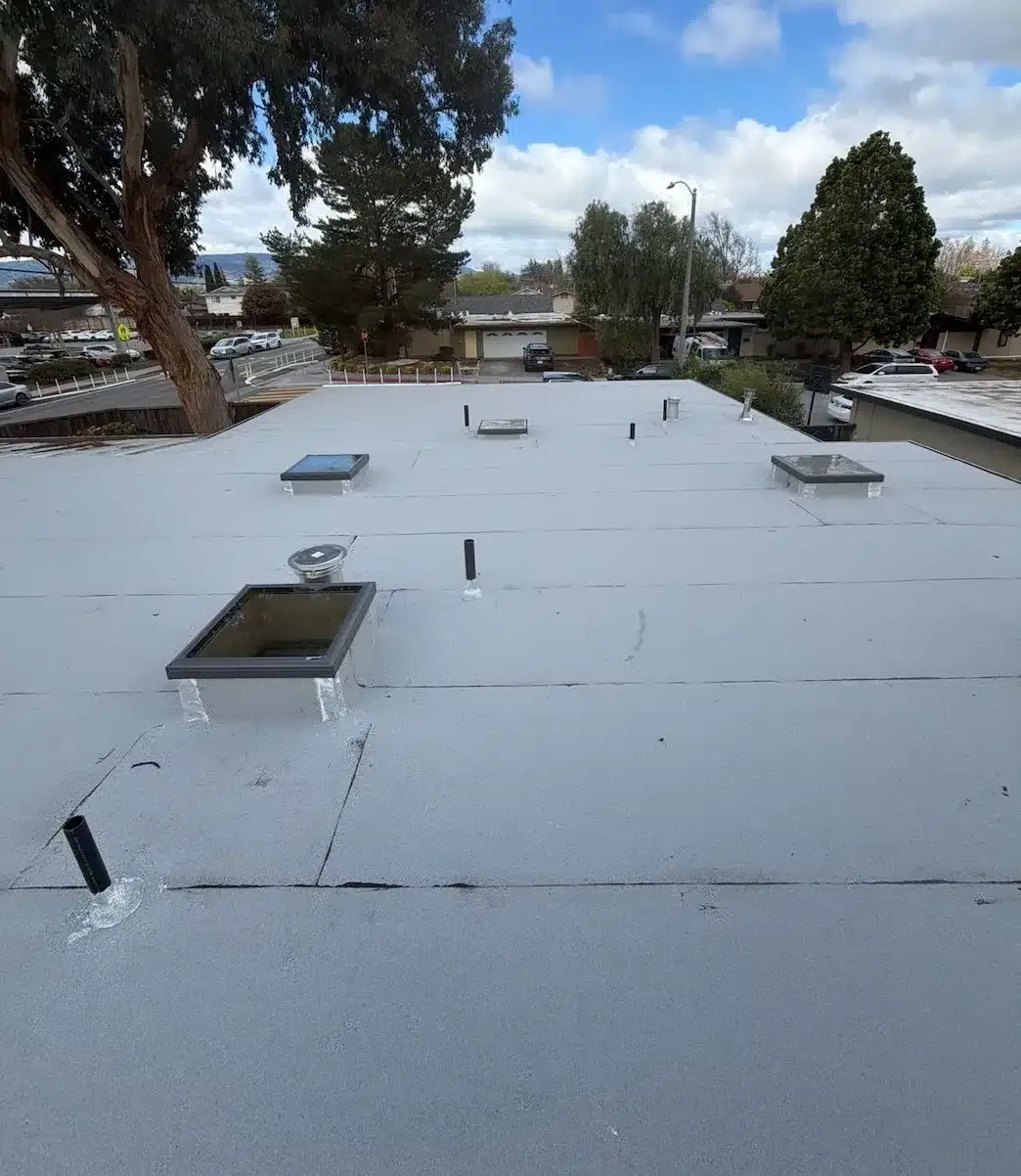
A buyer or lender needs a roof survey that distinguishes what was inspected from what remains unknown. We review available roof records, access the areas approved for inspection, identify the visible assembly, and document repair needs by roof zone. The report separates current water entry, observed deterioration, deferred maintenance, and conditions that could change after testing. The transaction survey answers roof-condition questions; structural, code, and full design issues require review by the appropriate project professionals.
Longview is the Gregg County seat at the intersection of I-20 and US 80, and it serves a regional commercial market with downtown, retail, industrial, healthcare, and education properties. Its location can make access, staging, and operating hours relevant to a transaction survey. We verify property plans, tenant restrictions, prior repairs, and available warranty records before stating inspection limits. We also record whether roof access, testing, or weather prevented a complete view.
Set the inspection question before the deadline
A survey may be requested before acquisition, refinancing, lease renewal, or an ownership transfer. The client should identify the due date, buildings included, requested report format, and who can authorize roof access or test openings. We confirm whether the scope is a visual survey, a review of available records, or a more detailed investigation. Any exclusions, unsafe areas, or unavailable drawings are stated before the report is relied on.
For a Longview asset, a building's use and access route matter to the inspection schedule. Downtown offices may have tenant-controlled doors. At industrial sites, we confirm any safety briefing or lift plan with the owner's representative before the visit. A investor roof review can connect field findings with asset questions, and property management records may provide the repair history needed for context.
Compare drawings and service records with the field
Before the visit, we review roof plans, system submittals, warranties, previous inspection reports, invoices, leak tickets, and known alterations. We note conflicts such as a repair log that names a different assembly or a drawing that omits a later rooftop unit. We note which record or visible feature supports each system detail and mark any area we could not confirm from the field. That helps a buyer ask the seller for a missing record before closing instead of carrying a guess into a capital plan.
Longview Business Park is a 475-acre light-industrial area along US 259, about one mile north of I-20, while Downtown has a separate plan for reuse and infill. A property in either setting still requires a building-specific review. We document visible seams, drains, edges, equipment curbs, penetrations, and interior leak reports against the actual roof map. A roof inspection supplies the field evidence, and asset management records can preserve the resulting baseline for future owners.
Separate visible defects from questions that need testing
We describe what can be seen without implying concealed deck, insulation, or structural condition. A soft area, blister, staining, open seam, or failed flashing is recorded by location and photograph. If thermal mapping, a test cut, or another investigation could resolve uncertainty, we state the question and likely decision impact. The client can then approve further testing, request a seller response, or accept the limitation in the transaction file.
Longview's July normal high near 94 degrees and documented hail and tornado exposure can influence when a roof is accessible and how an active opening is protected. A moisture survey can identify candidate areas under suitable conditions, while direct confirmation may still be needed. We distinguish the screening observation from a confirmed wet area and do not count a candidate location as a measured repair quantity. If the seller authorizes a test cut, agree on the location, patch responsibility, and documentation before access. Where destructive testing is not permitted, state that the conclusion is limited to the visible surface and available records; the buyer can price additional investigation separately.
Translate findings into repair and reserve questions
A transaction report can identify immediate repairs, deferred maintenance, recurring leak zones, and potential capital work. Each recommendation should include its evidence, a clear repair boundary, and what is not included. If a test opening is needed to determine insulation removal, the estimate can present that work as a separate decision. The buyer can compare the known repair with the unresolved exposure rather than treat a broad allowance as a confirmed defect.
For proposed changes to drainage, insulation, or rooftop equipment, we identify the roofing details for the owner and design team to coordinate with Longview's Building Inspection Division. A replacement assessment can explore an assembly change after field evidence supports it. A capital plan can then phase work by observed condition and operating needs without making a transaction decision for the client.
Make reliance limits clear in the report
The report names the inspection date, buildings and zones visited, records reviewed, roof access method, conditions observed, and areas not reached. It identifies whether measurements are approximate and whether photographs correspond to the full roof area or a representative sample. The client should know which findings depend on information supplied by the seller or operator. When an active repair or tenant access restriction limits inspection, the report explains the effect on the conclusion.
For a property near Downtown Longview, US 80, Longview Business Park, or South Longview, the transaction team should arrange site escort and roof access before the survey date. We return a document with a summary, location-specific findings, questions for follow-up, and evidence the next owner can place in its asset file.
Provide a useful baseline for the new owner
A completed survey should give the buyer a baseline: observed system, current repair limits, supporting photographs, tests completed, and unresolved items. That record can be carried into a maintenance plan after closing. If access improves or seller records arrive later, a follow-up can update the baseline. The report can also list the repairs the seller completed after inspection and whether the buyer needs confirmation that work was finished to the specified detail. We do not state an expected life or warranty status without documentation that supports it.
Send the transaction schedule, roof plans, service history, warranty documents, tenant access procedures, and any lender reporting format before the field visit. We will confirm which buildings can be included and identify decisions that need additional testing or professional review.
For a transaction, keep the observation date and access limits visible with the roof findings. A roof area hidden by equipment or not safely accessible should be listed as uninspected, not assumed to match an adjacent field. The buyer can then decide whether to request a lift, selective opening, or follow-up visit before closing. We separate observed condition from repair pricing and identify the assumptions that would change a scope. This creates a usable record for both the current review and later ownership.
Commercial Roofing Questions
Can a roof survey tell us the exact remaining roof life?
A visual survey can document observed condition and records, but a precise remaining-life conclusion may require additional testing, design input, and system documentation.
Can you complete a survey before a real-estate closing?
Yes, if the transaction team provides the schedule, site access, roof records, and report requirements early enough to inspect the agreed buildings.
Will you inspect concealed insulation?
Only where the scope includes an approved opening or suitable test. The report identifies concealed areas that remain unverified and what access could resolve them.
Can the survey estimate near-term repair needs?
It can identify visible repair recommendations and separate them from work dependent on testing. A final contractor scope may need measurements or design after the survey.