
Commercial Roofing for Public Agencies in Longview, TX
Public Agencies
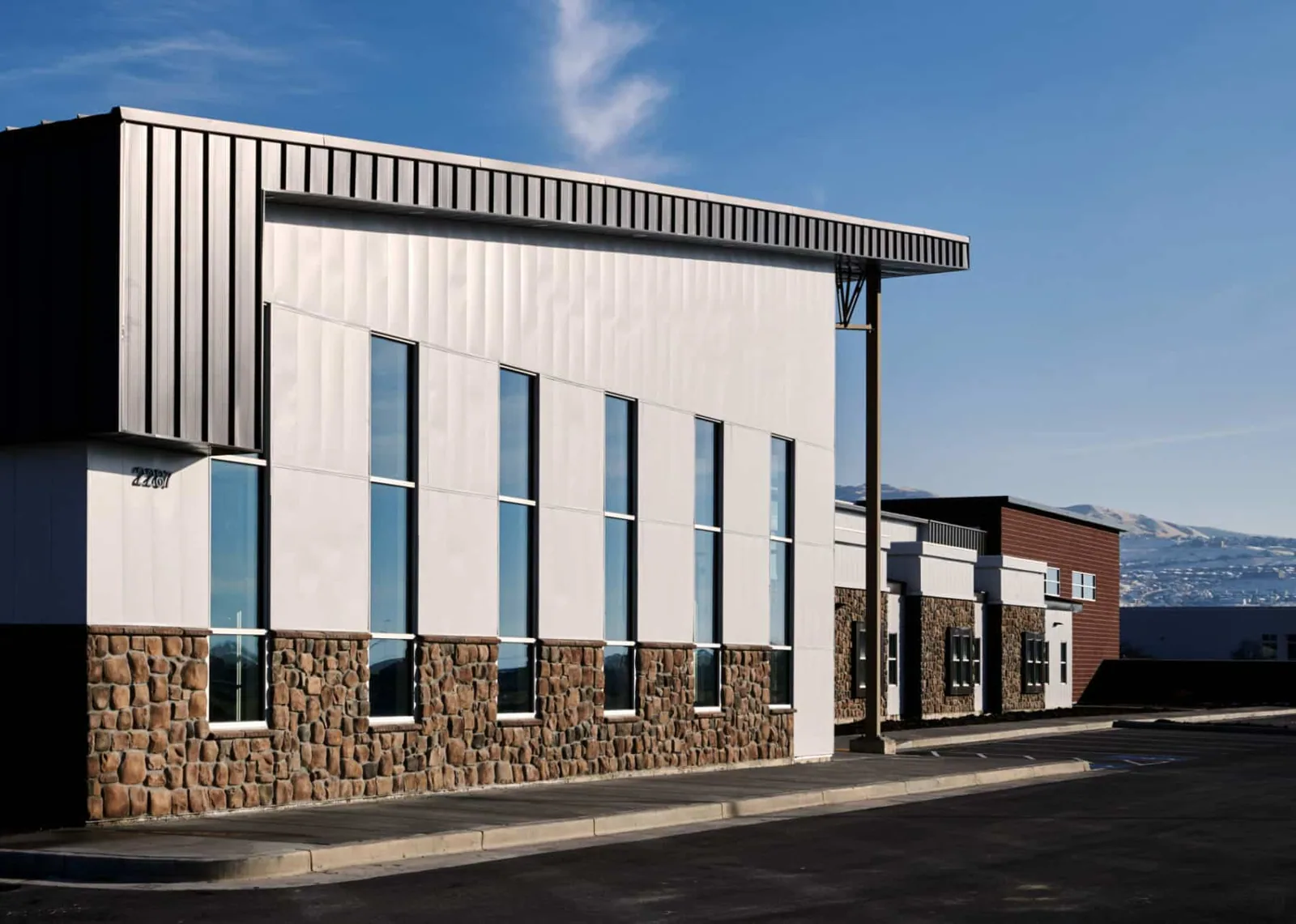
Water at a public counter, records room, or staff work area can force a decision about service availability as well as roof repair. We identify the building zone and entry path, then show what the evidence confirms before an agency commits funds. We inspect the roof assembly and explain which repair boundary the evidence supports. A ceiling mark or work-order description alone does not tell the agency whether the issue is a seam, drain, curb, or concealed moisture problem.
Longview is the Gregg County seat and sits on I-20 and US 80, while Downtown's small-area plan addresses public spaces, historic reuse, and mixed commercial activity. Those citywide facts describe the service environment, not any one building's roof. Public works, facility staff, and project representatives should identify restricted areas, public entrances, procurement constraints, and the official who can approve access. The roof visit then produces a field record that can support the agency's own review process.
Keep public entrances and essential services available
Before a lift arrives, staff identify service counters, accessible entrances, emergency exits, parking, and public meeting schedules. We set a staging plan that keeps the public route clear and establishes how a temporary barricade will be maintained. If work takes place above an occupied room, the agency decides whether to close it, relocate service, or use another protection procedure. The crew's scope states when noise, odor, or material handling could affect the building and who will receive schedule updates.
Public agencies often operate several building types with different hours and security needs. We divide the roof into locations the facility team can recognize and plan any work that requires restricted access in advance. A public-building work sequence can keep daily tie-ins and service routes visible. The district-level requirements still come from the agency. Where school buildings are part of the portfolio, student-safety controls can add separate work zones, secured access, and coordination with district staff.
Make findings clear enough for review and procurement
A useful roof report names each observed condition, the location, photographs, and whether the finding is confirmed or needs testing. We distinguish a repairable seam from wet insulation, a loose edge, a damaged drain, or a suspected deck issue. If an agency needs a bid package, scope language should identify material, tie-in limits, quantities observed, and assumptions that remain unverified. Keeping those categories separate makes it easier to compare proposals without making allowances look like known roof defects.
Longview's Building Inspection Division reviews commercial building and site plans under adopted codes. An agency planning a roof alteration should confirm permit and plan-review requirements through the City and its design professionals. The roofing inspection supplies field information; it does not replace the public authority's review. A condition-report package can organize zones and evidence, while asset records help staff track previous work, warranty terms, and future inspections across departments.
Trace water entry before authorizing a broad repair
Water can move across a deck or along a pipe before appearing in a public office, storage room, or service counter. We compare the interior report with roof slopes, wall transitions, penetrations, seams, drains, and previous patches. If a concealed condition may change the repair, we identify the proposed test area and what it can confirm. The agency can then approve a focused opening, monitor the area, or proceed with another supported step instead of treating the whole roof as suspect.
Longview's hot summers and seasonal thunderstorms make drainage routes and temporary protection important parts of an inspection. We check whether the drain is open, whether its flashing is intact, and whether an overflow route remains usable. A prompt visit after a reported storm lets the crew inspect the affected zone and document repairs needed at that public facility. A drain and scupper repair can address a failed outlet detail, and a leak investigation can follow a specific interior report to the roof. Each result is logged under the correct public asset.
Coordinate design, construction, and code review
Repairing a small detail is different from changing roof insulation, assembly, electrical routes, drainage, or rooftop equipment. We identify the existing materials we can see and note where drawings or a test opening are needed. If a design professional has a capital project underway, the roof scope should connect to that work rather than assume a membrane choice or warranty extension. The agency decides what procurement path applies and who can approve a change in quantity, detail, or schedule.
Longview's commercial plan review is handled by its Building Inspection Division. Public works or facilities staff can coordinate the proposed scope with the City's current requirements before bid, permit, and construction stages. We can provide measurements, photographs, and repair details for that discussion. For damaged assemblies, a storm repair assessment separates urgent water control from permanent work. A healthcare system roof program offers another example of how site use changes sequencing, while public owners retain their own approval rules.
Leave a complete asset and payment record
Closeout should include the building and roof-zone identifier, approved scope, field photographs, materials installed, completed details, test results, and any remaining action. If a condition is not resolved, the report names the responsible party and the next decision instead of labeling the whole roof complete. Public agencies may need records that support invoice review, warranty tracking, future procurement, and public accountability. We organize the roofing evidence so it can be filed with the right asset and contract without adding personal or restricted information.
For facilities in Downtown Longview or other city and county service areas, share available roof plans, access rules, operating hours, procurement contacts, prior repairs, and any requested bid format before scheduling. A review of the asset history may identify a useful next inspection, but final scope and contract approvals remain with the agency. We return a clear, field-supported document the staff can use for its next action.
Define the approval question before the site visit
Tell us whether the agency needs an active leak located, a roof condition documented for procurement, a storm-related scope, or a comparison between repair and planned replacement. Those are different inspection questions and may require different access, testing, or trade coordination. We will confirm the requested outcome with the facility lead and identify what records are needed. If records are incomplete, we can label the limitation rather than fill it with an assumption.
When the visit is complete, the agency receives a prioritized list of observed conditions, the evidence supporting each item, and the next step that would reduce uncertainty. That format helps a reviewer distinguish a current water-entry issue from a future maintenance need and budget for each appropriately.
For a public facility, include purchasing and access requirements before an inspection is scheduled. The project contact can identify bidding rules, background checks, occupied hours, and who has authority to approve a test opening. Keep the roof report factual and easy to attach to a maintenance or capital file. We can provide photos, observations, and a defined scope; the agency retains its own procurement, code, and approval decisions.
Commercial Roofing Questions
Can you prepare a roof scope for a public bid?
We can document observed conditions, repair limits, materials, quantities, and assumptions in a clear field scope. The agency and its design or procurement staff set the bid and approval requirements.
Does a roof inspection replace City plan review?
No. We report roof conditions and proposed work details; Longview's Building Inspection Division and the agency's design professionals handle applicable plan review and code decisions.
How can public access be maintained during repairs?
The facility identifies entrances, service hours, restricted rooms, and emergency routes. We plan staging and barriers around those controls and confirm daily closure before leaving.
Can one report cover several public buildings?
Yes, if findings remain separated by asset and roof zone. The report can summarize priorities while retaining the evidence and scope details for each individual building.