Commercial Roofing for Hospitality Groups in Longview, TX
Hospitality Groups
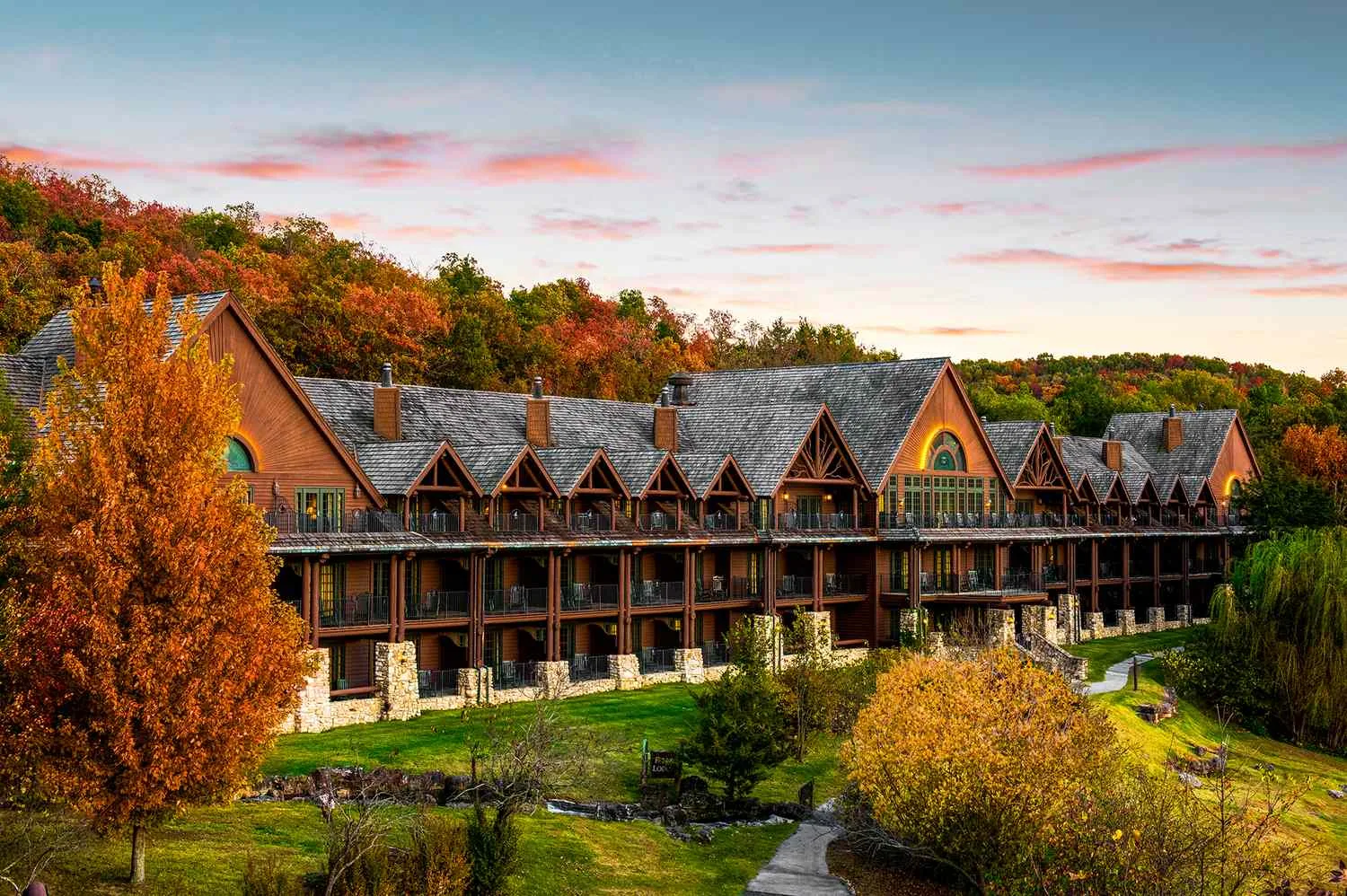
Guest-room water marks can trigger relocation decisions before the roof entry is clear. We trace the reported room to the roof zone, inspect the assembly along the likely water path, and set a repair boundary from what is visible or tested before the hotel commits to permanent work. The property team needs to know which rooms, entrances, or amenities could be affected and whether the proposed work requires temporary relocation.
Longview's commercial activity spans Downtown's restaurant and entertainment plans, the US 80 and Marshall Avenue corridor, and South Longview near I-20 and LeTourneau University. East Texas Regional Airport also connects the area to regional travel. For each hotel, we confirm occupancy, service hours, lift access, guest circulation, kitchen schedules, and the contact authorized to coordinate a room or floor restriction before setting the roof work plan.
Protect guest routes and hotel operations
Before setting a lift or opening the roof, we review guest entrances, valet areas, luggage paths, pool access, event spaces, and staff loading. If a repair sits over occupied rooms, the hotel decides whether to block a room, move guests, or use another protection plan. The roofing supervisor coordinates signage, noise, material movement, and daily cleanup with the property's operating contact. A work area should not unexpectedly close a banquet entrance or service corridor. For a repair above a guest wing, we confirm whether the roof access point opens over occupied rooms, how debris will be contained, and where the crew can stage without crossing guest routes.
Hotels also run around the clock. A quiet-hours window may permit inspection but not disruptive tear-off; a kitchen or event schedule may constrain access to a roof above those spaces. A guest-aware roof sequence can divide work by wing or roof zone and document each daily tie-in. For multi-site owners, investor roof records can support asset review while keeping each hotel's condition separate from the portfolio summary.
Trace a room report to the roof assembly
Water can travel above a ceiling before reaching a guest room, corridor, ballroom, or kitchen. We compare the reported location with roof transitions, drains, wall flashing, seams, curbs, and recent work. If the team has multiple reports, we log each room and time separately and look for a common path without assuming a single cause. The report distinguishes an observed defect from a candidate area and explains what additional test could narrow the source.
The property controls guest privacy and interior access. We can often begin with the roof zone and then request a limited interior observation if needed. A room-specific leak investigation targets an active report; a moisture survey can help select areas where further confirmation may be useful. The results are shared with the facilities contact, not placed in a guest-facing area, and do not require the roofing team to collect personal guest information.
Inspect kitchen exhaust, equipment curbs, and outlets
Hotel roofs can support exhaust fans, make-up air, condensers, plumbing vents, satellite equipment, and access platforms. We check curb corners, metal transitions, sealant, supports, and service clearances. If a unit needs shutdown or removal, the hotel's mechanical vendor handles that work. The roofing scope identifies the roof detail to restore and the time the opening must remain protected. A kitchen manager should know if exhaust work will affect food service before the repair window is scheduled.
Drain bowls, scuppers, and gutters need a clear path to move rain away from roof zones and exterior entrances. We inspect the outlet, flashing, and overflow route and note whether the roof plane feeds the detail. Longview's hot summer weather and seasonal storms influence work timing, but only the actual inspection identifies a blocked or separated outlet. A equipment curb repair treats the roof interface, while drainage service addresses a failed water outlet.
Choose a repair scope that respects the building
A patch is a reasonable option when the surrounding assembly is stable and a compatible tie-in can be made. If repeated leaks, wet insulation, movement, or damaged edge metal extend beyond the initial zone, a wider scope may be needed. We show the extent of the inspected area, note what remains concealed, and separate confirmed quantities from work that depends on a later opening. That gives the hotel a decision path without turning a service visit into an unsupported replacement recommendation.
When hotel work changes insulation, drainage, rooftop equipment, or the assembly, the owner should confirm the City's current review path with its design team before the project schedule is set. For an aging or broadly deteriorated roof, a replacement assessment can document the supporting field conditions. A manufacturing roof scope presents a different operations context; hospitality work places greater weight on room access, guest movement, and quiet periods.
Leave notes the facilities desk can act on
The closeout identifies roof section, material used, repair photographs, test results, any temporary measure, and the next inspection or trade coordination item. It should let an evening engineer find the location without relying on the original caller. The hotel can keep room numbers within its own restricted work-order system and use roof-zone labels in the contractor report. If a condition was not confirmed, we state what would resolve the uncertainty and who needs to approve access.
For properties around South Longview and the LeTourneau area, Downtown, or the airport corridor, provide roof plans, guest and event calendars, kitchen restrictions, lift rules, prior repairs, and any warranty documents before scheduling. We can return a short operational summary with a detailed field record so the general manager and maintenance lead understand what needs action and what can wait for a planned window.
Coordinate the visit before guests are affected
When requesting service, identify the reported room or amenity, the time the leak appeared, any weather at the time, and whether staff already contained water. Include who controls roof access, how guests are routed, and whether a meeting, wedding, or group arrival limits the work window. If a room must remain available, say so at dispatch so the proposed inspection can account for that restriction.
We will confirm the inspection question, access plan, and likely evidence needed before mobilizing. Once on site, the crew documents what it can verify and returns a repair option with its limits. The hotel decides room status and operating changes; the roof scope supports that decision with a clear account of the assembly and work area.
A guest-facing property may need roof access scheduled away from deliveries, event turnover, and high-occupancy periods. The site contact can identify loading routes, freight lifts, and areas where equipment noise must be limited. We plan inspection stops and material staging with those constraints in mind, then list any inaccessible zone in the report. That lets an operations manager decide whether to reserve a second visit rather than treating an incomplete roof walk as a full assessment.
Commercial Roofing Questions
Can roofing work be done while hotel rooms are occupied?
Yes, when the property approves a work zone and protection plan. The hotel controls room access and guest routing while we coordinate roof access, noise, materials, and daily closure.
Will a roof crew need to enter guest rooms?
Not always. We begin with the roof and use an interior observation only if it helps identify the water path. The hotel controls any room access and guest privacy procedures.
Can repairs be scheduled around a banquet or event?
The event calendar can shape lift, noise, and material windows. Send those restrictions with the work request so we can define a feasible sequence before arrival.
What does the closeout report include?
It records the roof zone, observed assembly, repair materials, photographs, test results, and outstanding actions, using roof labels rather than guest details.