
Commercial Roof Heat and UV Damage Repair in Longview, TX
Commercial Roof Heat and UV Damage Repair
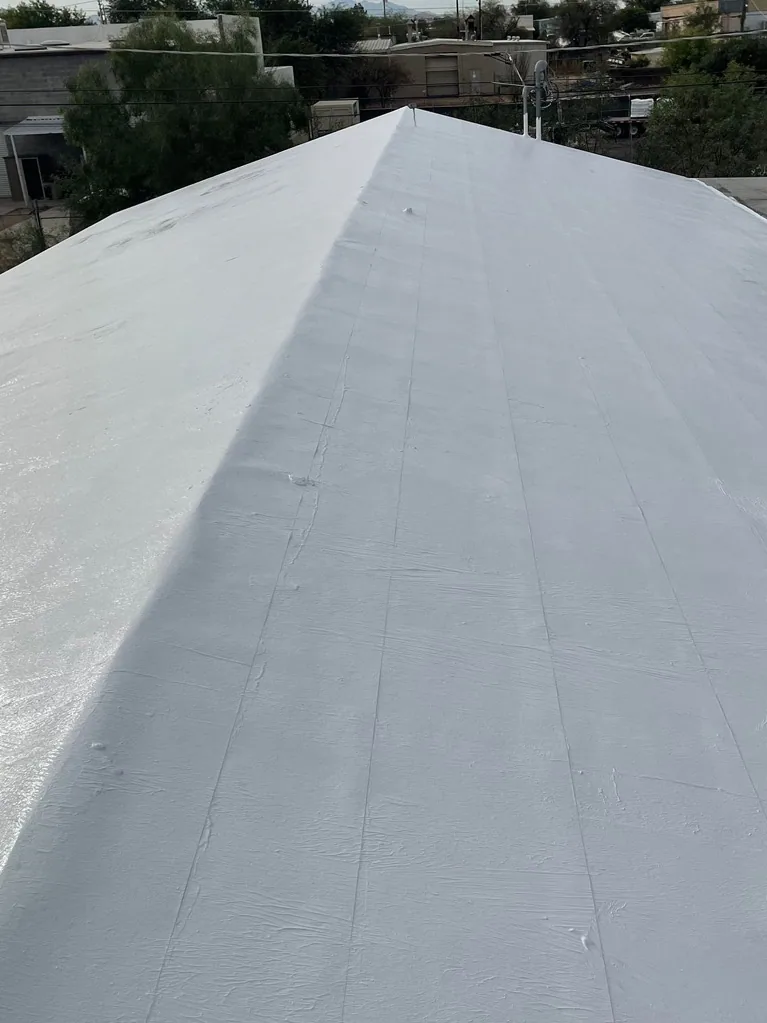
A brittle surface, shrinking membrane, worn coating, or split seal at a roof transition can follow years of heat exposure, but appearance alone does not show how far the condition extends. We inspect the assembly, check seams and flashings, and determine whether the surface still supports a compatible repair. The report distinguishes weathering from active water entry and identifies any area that needs testing below the membrane.
Longview's July normal high is about 94 degrees, and the hot season can make roof access and installation timing important. Downtown Longview's reused commercial buildings and the industrial parks along US 259 present varied assemblies and shade patterns. Those facts frame the inspection context; the roof material and field condition establish what work is appropriate. We confirm system records, repair history, and locations of interior reports before selecting a scope.
Check the exposed surface and the material beneath it
We look for chalking, exposed reinforcement, surface checking, blisters, shrinkage at penetrations, open seams, loose fasteners, and coating wear. Each observation is tied to a roof zone and compared with the area around it. A uniform color change may be cosmetic, while a small split can interrupt water shedding. We identify whether the membrane remains flexible, whether seams are bonded, and whether the existing coating is attached well enough to accept another layer. We also note the difference between a surface that has lost color and one with exposed reinforcement, cracked edges, or material separation. Those details help avoid specifying a new coating where the old layer cannot serve as a stable base.
Heat can affect different assemblies in different ways. Thermoplastic membranes, rubber sheets, asphaltic systems, metal panels, and coatings have distinct repair requirements. We identify the material from records or field details and do not choose a repair solely from color or surface texture. A roof inspection can document the overall condition, while seam repair applies when a lap has separated and needs its own bond evaluation.
Inspect seams, edges, and penetrations for movement
Thermal movement can stress a curb, expansion joint, parapet, or edge termination. We check whether metal has slipped, sealant has split, fasteners have loosened, or membrane has pulled from its backing. A rooftop unit may also shade a surface or constrain access, so we coordinate any service movement with the facility's mechanical contractor. The roof report shows each transition and notes whether it remains watertight or needs a closer test.
Longview has hot, humid summers, and a roof can retain moisture beneath an aged surface even when the top layer appears continuous. We document test results rather than infer wet insulation from the season. A moisture survey can help prioritize areas for direct confirmation. If a surface opening or split is active, puncture repair addresses a localized break, while flashing repair treats a wall or curb transition.
Decide whether the system can accept restoration
Repairability depends on adhesion, membrane thickness, substrate condition, wet insulation, and the amount of stable material around each defect. A small area may accept a patch or compatible coating after preparation. If the surface is brittle across multiple zones, the existing coating releases, or moisture is widespread, adding another layer may not be supported. We measure the conditions observed and explain what the field evidence says about local repair versus wider work.
Changes to insulation, drainage, assembly, or rooftop equipment should be routed through the owner's designer to confirm which Longview reviews apply before work begins. We report the roof condition and proposed field detail, not code approval. A coating restoration scope can address a suitable existing substrate; a replacement evaluation may be appropriate when the assembly cannot support a durable repair boundary.
Protect the building while the surface is evaluated
If heat-related splits allow water entry, the first scope may need a local patch before the full roof plan is complete. We identify the active path, protect the opening, and record what remains untested. Work should be scheduled for suitable surface temperatures and dry conditions required by the selected material. The supervisor plans access, staging, and a daily closure point so an open repair does not remain exposed to afternoon weather.
South Longview's I-20 planning area includes redevelopment near LeTourneau University, and the US 80 corridor connects commercial activity across the city. Site access and operating hours vary by property. We confirm the roof's safe access route and any tenant or equipment limits instead of assuming conditions from the district. A temporary protection visit may stabilize an active opening, while wind-damage evaluation can inspect a separate displaced edge after a storm.
Give facilities staff evidence for the next budget step
The report identifies assembly, observed aging, seam and penetration condition, photographs, test locations, and any repair performed. It records what was not opened and where access was limited. If the owner needs a capital comparison, the inspection should distinguish immediate leak work from future renewal needs and note which quantities are based on measurement. We do not describe a general lifespan from one visual inspection; the next decision follows system records and actual condition.
For commercial roofs near Longview Business Park, Downtown, or the I-20 corridor, share the roof plan, previous coating or repair records, equipment layout, and water reports. A capital planning record can organize the findings by zone and project timing after the owner decides which work to fund. It is useful to preserve photos and repair details for the next maintenance cycle. If funding is staged, note which areas remain under observation and which need a defined repair date. Do not combine monitored aging with an active leak in one unqualified risk label; each condition should retain its own evidence and action.
Close with the repair limit and follow-up interval
After repair, we photograph the prepared surface and completed detail, identify the material used, and note the field check performed. Any remaining brittle area or untested section is described as a follow-up item, not silently folded into the completed work. If another contractor will service rooftop equipment, the record identifies the repair zone and any access precaution. Facilities staff can then inspect the same detail on a future visit and compare its condition over time.
Provide site contact, roof access rules, system documentation, and any reported leak location when requesting service. We will confirm which roof zones can be inspected safely and return an evidence-based scope suited to the installed assembly.
A hot roof can soften sealants, age exposed accessories, and make existing movement easier to see, but inspection must identify the actual failure. Record which seams or flashings have changed, whether the surface remains attached, and if insulation or cover board shows damage at a test opening. A single weathered area does not define the whole roof field. Compare the affected zone with representative sections and provide the owner a repair boundary that follows the observed condition.
Commercial Roofing Questions
Does a faded or chalky roof need replacement?
Not by appearance alone. We inspect membrane condition, seams, substrate, moisture, and repair history to determine whether a local restoration is supported.
Can a coating correct heat damage?
A coating is appropriate only when the existing surface and attachment can support it. We check preparation, adhesion, and the underlying assembly before recommending a coating scope.
How does Longview summer heat affect roof work?
It affects safe access, material handling, and installation conditions. The crew schedules the work around the system requirements and the roof's actual surface state.
What information helps evaluate an older roof?
Send system records, repair and coating history, roof plans, equipment changes, interior leak locations, and any prior moisture test results.
Related roofing work.
- Commercial Roof Inspection
- Commercial Roof Seam Failure Repair
- Infrared Roof Moisture Survey
- Commercial Roof Membrane Puncture Repair
- Commercial Roof Coating Restoration
- Commercial Roof Replacement
- Emergency Commercial Roof Repair
- Commercial Roofing in Longview Business Park, Longview, TX
- Commercial Roof Capital Planning