
Commercial Roofing along US 59 in Marshall, TX
US 59 in Marshall
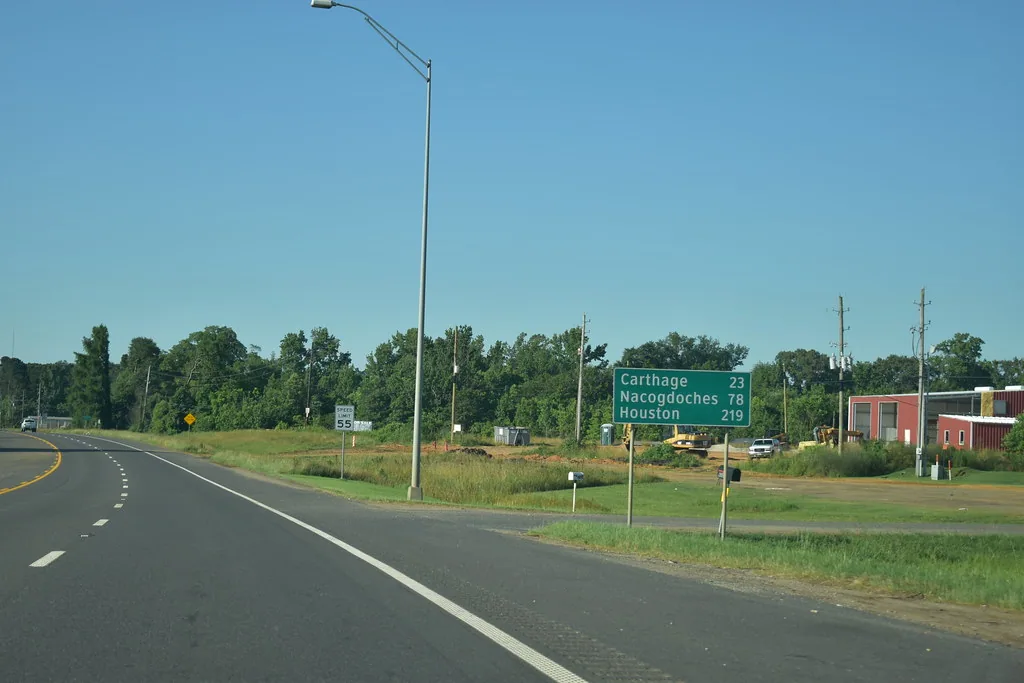
A roof repair beside a customer entrance or delivery lane needs a work boundary that protects the business below. Along Marshall's US 59 commercial corridor, we inspect the reported building, map the affected roof zone, and check where water can travel across seams, drains, curbs, and wall transitions. The corridor's retail and commercial properties need site-specific access planning, from customer entrances to loading lanes and rooftop equipment routes.
Marshall's economic-development office works to recruit and retain retail and quality-of-life businesses, while the local development corporation supports employer expansion and private investment. That commercial context makes access and tenant coordination practical parts of a roof visit. Send the leak location, roof plan, service history, and work hours. A commercial roof inspection can establish what is visible before a repair scope is set.
Keep entrances and deliveries usable
Retail properties can have customer doors, receiving areas, and tenant schedules that compete for the same staging space. Identify the entrance that must stay open, where deliveries turn, and when a lift or material pallet can be placed. The building contact should also mark any interior room where temporary protection is needed. The crew can then plan access by roof zone instead of blocking an entire frontage.
U.S. 59 intersects I-20 in Marshall, and local institutions include two four-year universities, a state technical college, and a junior college. Those are separate activity centers, not assumptions about every US 59 property. If a building serves a campus or retail tenant, identify its own operating calendar and access rules. A phased reroof plan can define daily work areas while keeping a path open for employees or customers.
Before mobilization, confirm who can approve roof access, testing, and any shutdown of rooftop equipment. A tenant manager may control the interior but not the roof hatch; a property manager may need to authorize work at the perimeter. Include those names in the service request. Clear responsibility helps avoid delaying a repair after the crew reaches the site and finds that no one can approve an opening or move a vehicle.
Follow the water path above the affected room
Water above a sales floor may enter at a parapet or curb and run below the roof surface before it reaches a ceiling tile. We compare the interior location with slope, drains, seams, rooftop equipment, and earlier patch work. If those details do not identify one confirmed entry point, the report lists the likely routes and the test or access needed to narrow them.
Longview's market has hot, humid summers and documented hail and tornado exposure. We use Longview's seasonal record to schedule regional maintenance and post-storm visits; the Marshall inspection checks the reported zone, roof details, and repair history at that property. Record the event date, visible changes, and affected rooms. A hail-damage assessment can document impact findings, while roof-drain service can check outlets and overflow paths when water is reported near a low point.
When a leak repeats at the same storefront or office, compare the new water path with the prior repair map. A stain in a different bay may indicate another transition rather than an extension of the original defect. We photograph the area, identify the roof details above it, and separate a confirmed failure from a possible route. This gives the owner a scope tied to evidence, not a broad patch that may miss the entry.
Choose work that fits the confirmed assembly
The same commercial strip can contain roofs with different materials, additions, and repair histories. We check submittals, warranties, accessible edges, seams, and flashing before identifying the assembly. Commercial uses can sit beneath different roof assemblies. Check product labels, submittals, seams, and edge details before selecting a compatible repair; mark project phases separately on the roof map.
If the defect is isolated and the surrounding material can accept a compatible tie-in, the repair scope can stay local. If a test opening exposes wet insulation, a damaged deck, or a larger failure, the crew records the finding and pauses at the approved limit. Leak repair service can trace and document a current opening. When deterioration reaches multiple zones, a replacement evaluation can compare the cost and timing drivers without treating every roof section as identical.
Price depends on what must be removed, access and staging, material compatibility, flashing complexity, and whether a test or design review could change the work. The estimate states measured quantities separately from allowances for hidden conditions. If work can be divided around tenant hours, each phase should end with a protected surface and an agreed route below. That keeps the roof scope tied to the building's schedule as well as the confirmed defect.
Set a repair window around trading hours
Along a commercial roadway, a short access window can affect delivery setup, customer parking, and service calls. Confirm the quietest work period, any day when the entrance must remain open, and whether the property can accept a lift from its own lot. The roof crew needs an authorized contact who can close a work area if wind, rain, or an unexpected opening changes the sequence.
Longview's July climate normals reach daily highs near ninety-four degrees. For Marshall work, actual surface temperature, forecast, and product instructions determine when a seam or coating can be prepared. A hot day may shorten the time available for material handling, while a storm forecast may require temporary protection before permanent work. Emergency response remains available around the clock, including holidays, for active water entry that needs prompt stabilization.
Marshall's US 59 corridor and I-20 junction bring separate approach routes to properties in the area. Provide the exact entrance and vehicle restrictions in the work order, especially when a site shares circulation with other tenants. A Marshall commercial roof service visit can address properties elsewhere in the city; this corridor route remains focused on the broader US 59 business area rather than one storefront or address.
Leave the owner with a traceable scope
The closeout should show the roof zone, material identified, repair boundary, photographs, work completed, and any test still needed. If a portion could not be accessed, note the reason and the next step required to inspect it. Keep the roof plan, warranty, and service history with the property record so future repairs can be compared with the same landmarks.
Property teams with assets along US 59, in Marshall's institutional district, or in Longview can use a shared reporting format while keeping each building's condition separate. A roof asset record can organize maps, inspection dates, and repair history for budget planning. For the Longview service area, the work order should still identify its own property, access contact, and roof assembly.
Send the leak history, interior photos, roof map, system documents, access hours, and the person authorized to approve testing. We will inspect the reachable area, explain what the evidence supports, and return an estimate with the work boundary and any open question clearly stated. A well-marked report helps the next maintenance visit begin at the right roof zone instead of retracing the same uncertainty.
Commercial Roofing Questions
Can you work around customers and deliveries on US 59?
We can plan staging and roof access around the property schedule provided by the manager, then sequence repairs to keep agreed entrances and routes available.
Does a retail tenant determine the roof system?
No. We confirm the assembly from project records and visible roof details before selecting a repair material or describing the warranty.
How do you price a leak repair?
The estimate reflects access, preparation, material removal, flashing or seam work, and any testing that could change the boundary. Concealed-condition allowances are separate.
What should I do if water enters during business hours?
Protect people and merchandise below, note the affected area, and call for emergency response. We will stabilize the opening and document the permanent repair need.