
Commercial Roofing in Gladewater, TX
Gladewater
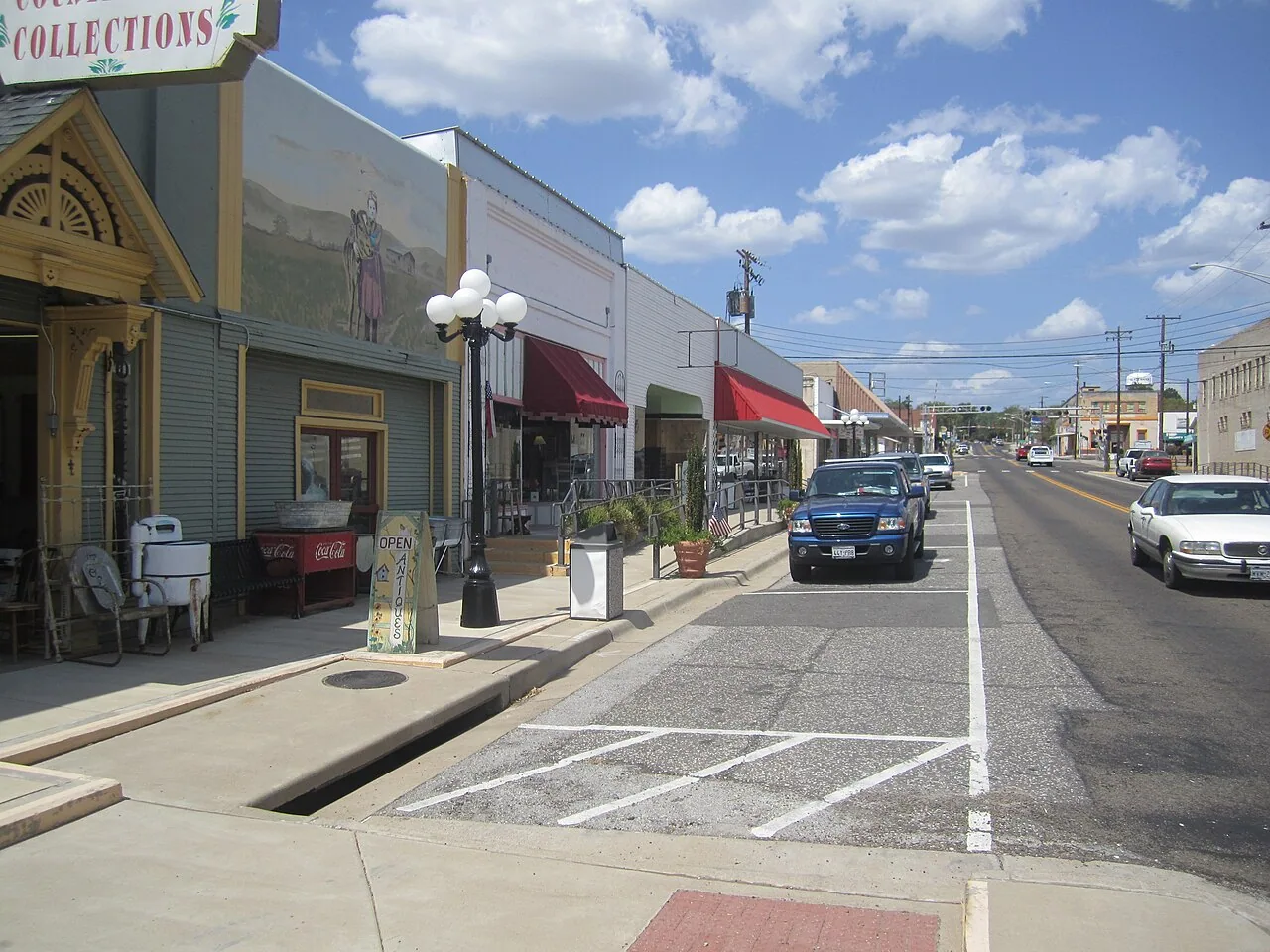
Commercial buildings in Gladewater sit at the meeting of US 80 and US 271, about 13 miles west of Longview. The city’s history reflects railroad, oil, lumber, agriculture, and manufacturing, alongside a commercial downtown and regional events such as Gusher Days, the rodeo, and arts festival. We inspect commercial roofs, trace leaks, maintain drainage and flashing, and plan repairs or replacement around the property's actual assembly and access needs. For a low-slope roof, the walk includes perimeter terminations, drains, curbs, seams, and earlier patches. We label each finding by roof zone and include a photograph tied to a fixed roof landmark.
Longview’s hot, humid summers and seasonal storms shape the broader roof-service market. We check each Gladewater property for drainage, seams, flashing, rooftop equipment transitions, and previous repairs. A first visit ties the interior report to the roof zone and distinguishes a visible defect from a path that needs testing. Work is then planned around the property’s operations, tenant hours, and safe access route.
For downtown commercial property, coordinate the roof visit with the person responsible for public entrances, deliveries, and event scheduling. Gladewater has regional gathering activity that can affect how a building contact sets a work window, but the inspection remains about the roof itself. If temporary barriers or a lift affect the frontage, arrange that setup before materials arrive. A planned window can reduce conflict with business hours while giving the crew enough time to inspect the full zone and secure any opened area.
Plan roof access around city streets and activity
Confirm the facility entrance, roof hatch, parking, lift location, and operating schedule before the crew is dispatched. If the property is near a busy downtown event or active customer frontage, the site contact can identify hours when deliveries or pedestrian movement should be avoided. US 80 and US 271 orient the Gladewater service area; confirm the property entrance, loading route, and roof-access point with the site contact before dispatch.
Provide the roof map, service history, warranty, system records, and interior leak location before the visit. A commercial roof inspection can establish the visible condition, while emergency service can stabilize water intrusion at any time of day. If a tenant or operations area needs protection, tell the crew where the interior contact will meet and who can approve a test opening.
Check the roof that serves the current building
For a downtown shop or an industrial building, compare product submittals, installation closeout, warranty terms, prior repairs, and later additions with the visible seams, drains, perimeter details, curbs, and transitions. If a record covers only one section, label that section and inspect the remaining zones before extending the repair scope.
Gladewater’s commercial downtown is an active local center, but individual roof access and construction differ by property. A condition report can preserve a dated map, and drain service can inspect outlets near the reported area. Where a concealed layer affects the decision, propose a test opening with a clear reason and restoration plan before asking the owner to approve it.
Trace water beyond the room where it appears
Ask when the leak began, what interior area is affected, and whether the roof or rooftop equipment changed recently. Then follow slope and drainage around seams, penetrations, walls, and previous patches near the roof zone. A ceiling stain may be several feet from the entry point, so note the indoor symptom separately from the suspected roof opening. If the route is uncertain, name the test or observation that would narrow it.
For a Gladewater property near the US 80 and US 271 junction, coordinate staging with the site's frontage and customer access before a leak investigation or edge repair. For a reported leak, leak investigation can document the water path; edge and coping service checks perimeter transitions. If a storm preceded the report, describe the visible condition and date without assigning causation beyond what the field supports.
Select a repair that fits the verified failure
A repair at one roof zone should proceed only after the crew confirms the defect does not extend into adjacent material and the proposed seam can bond to a sound surface. If removal exposes saturated insulation or a compromised deck, photograph the condition and hold work at the authorized limit. Show the owner the new finding before expanding the order. The estimate separates measured work from any allowance for hidden damage.
A retail or downtown business may need the roof work phased to protect customers, staff, and public entrances. A phased reroof service can define daily work zones; a replacement assessment can compare broader renewal with repair. Where a property has an upcoming event, tell the project lead when noise, lifts, or blocked access would cause a conflict. The schedule should include a secure stopping point in case weather interrupts an open section.
Make repair records easy to find later
Closeout names the building section, roof zone, system information available, repair preparation, materials, photographs, and test results. Note any details the crew could not reach and why. If a separate contractor worked on a curb or sign, include the contact and work date. A future manager can then compare a new leak report with the prior repair instead of reopening the same question about where the crew was last.
Gladewater and Longview are separate municipal service areas. For a portfolio with both, use the Longview roof-service area and keep each property’s warranty and maintenance record separate. A second municipal service page is available for Lakeport roofing support. A roof asset file can preserve dated photos, roof plans, and open items. If nearby activity or a city event affects access, capture that schedule note separately from the technical finding.
Set up a service visit with clear ownership
Send the roof plan, warranty file, prior repairs, active leak location, access instructions, and site hours. Identify who can approve a test, arrange interior protection, and authorize a lift. If the building has several tenants or roof phases, mark them on the map before the crew arrives. For active water entry, call any time, including nights, weekends, and holidays. A current contact and safe roof route let the crew begin stabilization without delay.
We will inspect the accessible area, record the condition, and return a scope with photos and repair limits. If further testing or design input is needed, the report explains what question it will answer. The owner can approve a defined next step tied to the Gladewater property rather than an assumption about the broader area.
If a property uses a recurring service ticket, give each roof zone a consistent label and include it in all follow-up photos. That lets the manager compare a new drip or loose flashing report with the completed repair without assuming the same failure has returned. List what was inspected, what was repaired, and what still needs access so the next visit can start with the unresolved question.
Commercial Roofing Questions
Can you service commercial buildings in Gladewater?
Yes. We inspect and repair commercial roofs in the city and coordinate access and operations with the property contact.
Do US 80 and US 271 affect the roof inspection?
They help identify the service area. The inspection itself follows the building’s records, roof details, and access plan.
Can work be scheduled around downtown activity?
We can plan lifts, deliveries, and work hours with the site contact to protect entrances and avoid known event or customer periods.
What determines repair versus replacement?
The report considers the failure extent, surrounding material, substrate condition, repair history, and whether a compatible boundary can be established.